As the saying goes, “three parts, seven parts”. The vehicles are actively inspected and maintained in their daily use in order to detect and remove initial hidden malfunctions in a timely manner and to prevent them from becoming pre-emptive and to keep them in good working condition。
It's important that winter temperatures fall and car-friendly maintenance be done early, so let's see what we're looking at in winter
I. The heating system
The proper operation of the heating system is undoubtedly important for winter, and in order to ensure the comfort of the vehicle after winter, it is necessary to conduct systematic inspections of car-friendly heating systems at a professional 4s shop before winter. Prevent the long-term lack of flow of anti-freezing fluids, such as in warm wind pipes, and condensate the circulatory circuits。
Ii. Cooling systems
The cooling system failure is the number one killer who caused engine failure, and accounts for about 60% of all engine failure! The use of anti-frozen fluids in winter can be an effective deterrent to cooling system freezing events. It is therefore important that anti-freeze fluids be checked or replaced in time for winter, especially to caution against the colour of anti-freeze fluids when replaced, which cannot be combined。
The lower the ice point, the stronger the resistance of the antifreeze. At present, ice points in the market for anti-freeze liquids are specified at 15°c, -25°c, -30°c and -40°c, and the choice of ice points should be more than 10°c below the lowest temperature in the region。
Iii. Oil
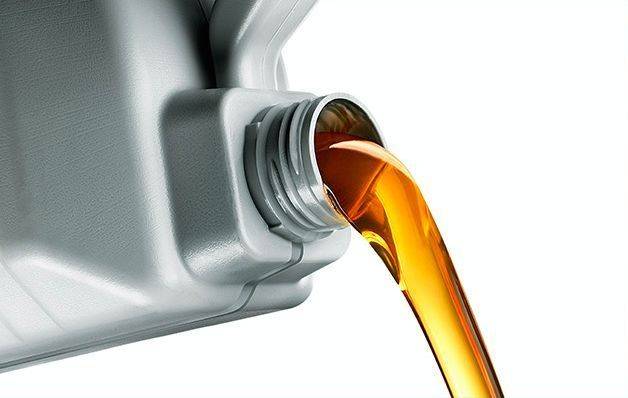
The normal flow of oil is an important medium for ensuring the normal operation of engines. The viscosity and mobility of oil vary with external temperature. In the winter, oil must be replaced by suitable oil products based on ambient temperature. Unsuited oil exacerbates wear and tear of engines, as well as mechanical components, and affects the useful life of vehicles。

Iv. Vetting systems
Cylinders are very "sensitive" to cryogenic conditions, where battery capacity is much lower than at normal temperatures. Although bottles are now free of maintenance, they are no longer required to supplement electrolyte and regulate the weight of electrolyte. However, before the onset of the cold season, the cylinders should also be cleaned up and protected with specialized grease to ensure reliable start-up and longer life of the cylinders。
V. Energy system
Entering cold winters, excessive carbon accumulation, such as gas-saving doors and airways, made it very common for vehicles to be inoperable. The excessive carbon accumulation of the gas-saving doors is in itself prone to failure to ignite, and in winter the engine may fail or need to set fire many times because of lower temperatures in the vehicle environment, the impact on the volatilization of gasoline, and the relative weakness of the gasoline in the same conditions。
So when you're in winter, clean up the engine gas-saving doors and check the spark plugs to make sure the car is used properly。
Rain-shaving systems
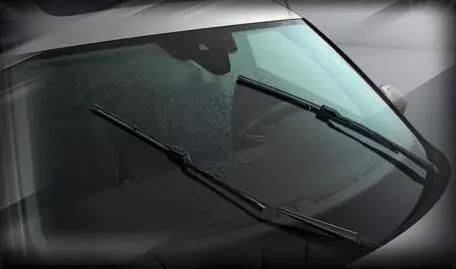
In the early winter hours, the windows are sometimes frostened by fog, and sometimes even the rain-scrapers are frozen on the glass, so do not force the rain to be scraped, not only by destroying the rain but also by damaging the glass, and do not wash the glass directly with hot water, which can easily break the windows and deform the rain
In addition, the use of rain-scratching water systems will significantly decrease during the winter, but it cannot be ignored. Particularly in the north. Like anti-frozen fluids, although they can be replaced in summer with fresh water and clean water, these alternatives are likely to freeze in winter and are therefore not available in winter. In an environment below 0°c in winter, cold-resistant winter glass water should be replaced, or an appropriate proportion of alcohol should be added to the glass water for ice-reduction purposes。
Vii. Car-wide light checking
In view of the increase in heavy weather during the winter season, the entire vehicle light system should be inspected, debugged and replaced in a timely manner to ensure that fog lights, brake lights, diversion lights, etc. Are in a normal working condition and to ensure the safety of the winter journey。
Tyres
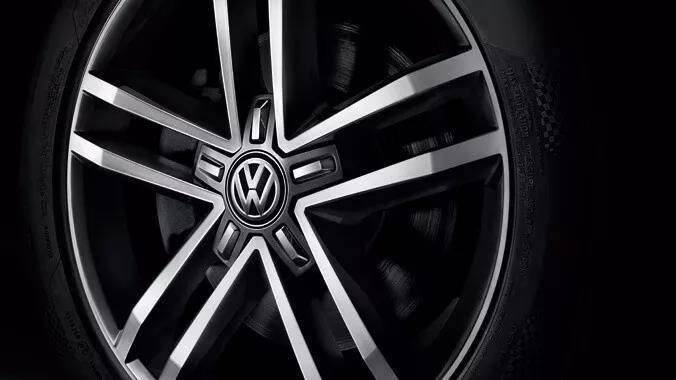
Rubber can become hard and relatively fragile due to lower temperatures, and friction coefficients can be reduced. Tyre pressure must not be too high or too low in winter. External temperatures are low, tyres are underpressed and soft tires can accelerate ageing. During the winter, it is often necessary to clean the insides of the tires, to avoid, to the extent possible, the use of tires that have been replenished more than once, and to replace those that have been worn more than once and have different brands. The internal and external wear of tyres varies considerably, and in order to ensure safety and reduce the wear, tyres should be periodically balanced by four-wheeling and their location replaced。
Ix. Tables
In the harsh northern regions, which have more snow in the winter, snow trucks tend to spread large amounts of salt on the roads to speed up the melting of the ice and snow in order to prevent the snow in the road. In this way, the road is equivalent to an acidic liquid road, with cars moving on the ice and snow road, and flying tyres apparently throw high salinity snow water onto the car chassis, which is prone to corrosive decay due to a lack of chassis protection. Therefore, the protection of the chassis before winter can also extend the useful life of the car。