Autumn cucumber seeded in the middle of july and in early august, during a long period of heat and heat, and the seedlings were prone to growing up, with few female species, easily fertilized melons, and very serious insects
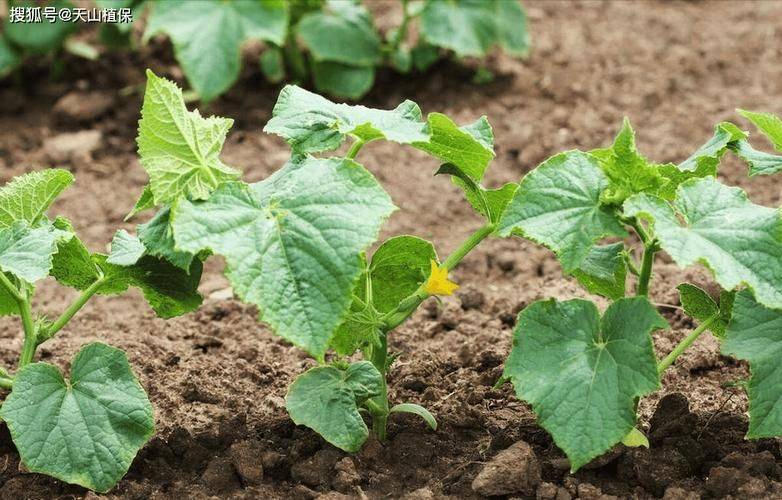
1. Careful care to preserve seedlings. First, care should be taken to select varieties that are more resistant to heat, such as kazim 2, zin chun 4, zinxiu 7, etc. Second, it would be useful to address the problem of high temperature displacement to low levels of life through live broadcasting. Seeds are impregnated for 15 minutes with water at 55°c, then impregnated with water for 3-4 hours, with a range of 4-5 seeds per den. Thirdly, after planting the soil, the ground should be covered with straws to reduce the temperature, keep the soil wet and prevent heavy rains. Fourth, large seedlings have been introduced, protected straws have been removed after the seedlings have come out of the soil, with one or two seedlings occurring at the appropriate time, and with one or two leafs of small seedlings being replanted. It is only when the seedling grows three to four leaves that the plant is finally established to prevent the premature loss of the seedlings due to accidental death。
2. Scientific fertilization increases sit-in rates. Autumn cucumbers are pursued in accordance with the principle of low-performance. Shrimp periods should be applied at an appropriate early stage, subject to water control, with multiple application of quick effect nitrogen and phosphorus fertilizer to meet the nutrient needs for nutrient growth and eugenication and female growth. Calcium phosphate can be diluted 8 to 10 times as much as 2 per cent of the methane or septic water plus 1-2 times of calcium phosphate. At the same time, following seedlings of 3-4 leaves, vinyl solutions at 0. 15 per cent concentrations were sprayed with plants to promote premature, multi-breeding female species for the purpose of securing seedlings, controlling their length and increasing their early yields. As a result of the increased demand for fertilizer, especially for potassium, it is necessary to increase the number of fats and the use of potassium fertilizer, which is usually followed once for each one to two batch, which can be applied with three times the amount of faeces plus 1 per cent of potassium, with multiple external fertilization, faster growth and longer periods of production。
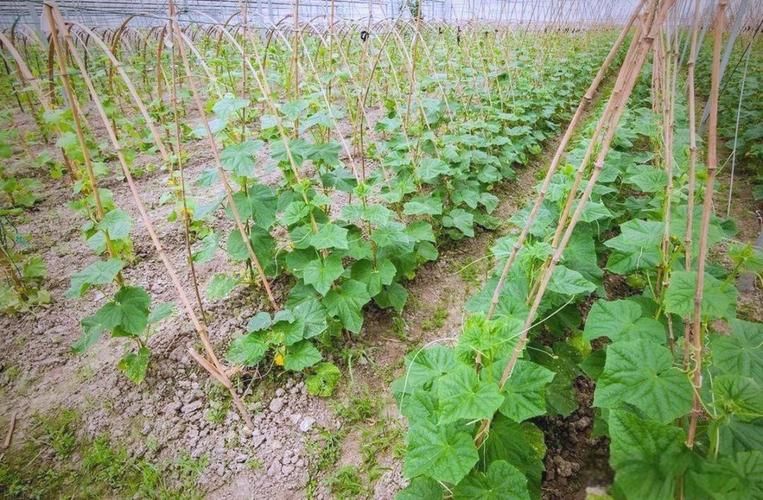
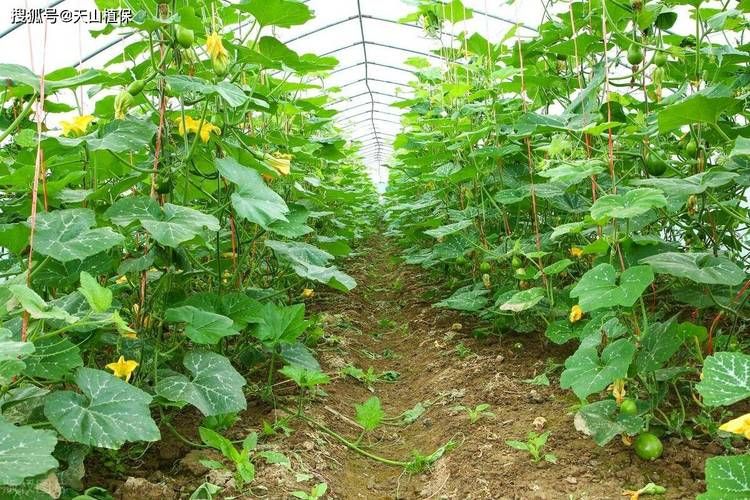
3. Working with drainage and irrigation to combat drought. The pre-growth period of cucumbers is often characterized by showers and heavy rain weathers, which must be protected against flooding and drainage, and prevent the spread of seedlings and diseases as a result of excessive wetting of soil. The melon period requires a large amount of water and, in the event of a drought, it must be watered in such a way as to ensure its development needs and to prevent its bitterness。
4. Prevention of insects in due course. In high-temperature and rain conditions, pests tend to be prone to reoccurrence and hazards. Therefore, it is necessary to conduct on-the-job checks from the seed age onwards and to provide early intervention. Fifty-eight per cent or 64 per cent can be sprayed two to three times as much as 500 times as venomicide m8. Frost control can be sprayed two to three times with 25 per cent of the rhesus humid powder or 40 per cent of the acethion aluminum humid powder 250 times or 65 per cent with 500 times the dysentery manganese zinc humid powder. In order to combat larvae larvae, 10 per cent of cypermethrin milk may be sprayed with 1000 times more emulsions or 2. 5 per cent more than mk cream and 5 per cent more than 3,000 times more than the larvae。
Autumn cucumber cultivation techniques
Source: ag365. Com published: 2006-5-19:31:54
Decrease fonts
Autumn cucumber seeded in the middle of july and in early august, during a long period of heat and heat, and the seedlings were prone to growing up, with few female species, easily fertilized melons, and very serious insects
1. Careful care to preserve seedlings. First, care should be taken to select varieties that are more resistant to heat, such as kazim 2, zin chun 4, zinxiu 7, etc. Second, it would be useful to address the problem of high temperature displacement to low levels of life through live broadcasting. Seeds are impregnated for 15 minutes with water at 55°c, then impregnated with water for 3-4 hours, with a range of 4-5 seeds per den. Thirdly, after planting the soil, the ground should be covered with straws to reduce the temperature, keep the soil wet and prevent heavy rains. Fourth, large seedlings have been introduced, protected straws have been removed after the seedlings have come out of the soil, with one or two seedlings occurring at the appropriate time, and with one or two leafs of small seedlings being replanted. It is only when the seedling grows three to four leaves that the plant is finally established to prevent the premature loss of the seedlings due to accidental death。
2. Scientific fertilization increases sit-in rates. Autumn cucumbers are pursued in accordance with the principle of low-performance. Shrimp periods should be applied at an appropriate early stage, subject to water control, with multiple application of quick effect nitrogen and phosphorus fertilizer to meet the nutrient needs for nutrient growth and eugenication and female growth. Calcium phosphate can be diluted 8 to 10 times as much as 2 per cent of the methane or septic water plus 1-2 times of calcium phosphate. At the same time, following seedlings of 3-4 leaves, vinyl solutions at 0. 15 per cent concentrations were sprayed with plants to promote premature, multi-breeding female species for the purpose of securing seedlings, controlling their length and increasing their early yields. As a result of the increased demand for fertilizer, especially for potassium, it is necessary to increase the number of fats and the use of potassium fertilizer, which is usually followed once for each one to two batch, which can be applied with three times the amount of faeces plus 1 per cent of potassium, with multiple external fertilization, faster growth and longer periods of production。
3. Working with drainage and irrigation to combat drought. The pre-growth period of cucumbers is often characterized by showers and heavy rain weathers, which must be protected against flooding and drainage, and prevent the spread of seedlings and diseases as a result of excessive wetting of soil. The melon period requires a large amount of water and, in the event of a drought, it must be watered in such a way as to ensure its development needs and to prevent its bitterness。
4. Prevention of insects in due course. In high-temperature and rain conditions, pests tend to be prone to reoccurrence and hazards. Therefore, it is necessary to conduct on-the-job checks from the seed age onwards and to provide early intervention. Fifty-eight per cent or 64 per cent can be sprayed two to three times as much as 500 times as venomicide m8. Frost control can be sprayed two to three times with 25 per cent of the rhesus humid powder or 40 per cent of the acethion aluminum humid powder 250 times or 65 per cent with 500 times the dysentery manganese zinc humid powder. In order to combat larvae larvae, 10 per cent of cypermethrin milk may be sprayed with 1000 times more emulsions or 2. 5 per cent more than mk cream and 5 per cent more than 3,000 times more than the larvae。