Under the “stable, decent and secure” label, civil servants have always been a high-profile career orientation, and the attraction of the four words cannot be overlooked, especially for candidates considering life transitions, career renewals or entry into the workplace. But what is the profession of “civil servants” for real candidates? What do they do every day? Does this job suit me? Today, we begin with the basics and read them all for you。
In order to better serve the candidates, the eulu education has prepared a 26-year-old civil service application free of charge
One step to the top of the article to fill in the information immediately
Two clicks to fill in the information, and we'll remind you of the time to sign up for the test in time
I. What are civil servants? One sentence: work for the state, state pay
By legal definition:
Civil servants are those who perform public functions in accordance with the law, are integrated into the national administration and are covered by the state budget。
A simplified understanding is:
It's part of the state's “regular employees” and it's well-placed, it's paid, it's a steady source of income, it's for the people, it's responsible
This category of posts covers a range of government functions, from policy implementation, public service management to service the lives of the people, and is spread across party bodies at all levels。
Ii. What do civil servants do every day? It's not like it's a easy job to drink tea and read newspapers
If you think that a civil servant is in a comfortable position “to sit in an office, to write papers every once in a while”, then you may lose your glasses. The work of civil servants is complex and systematic and involves various aspects:
1. Documentation and review
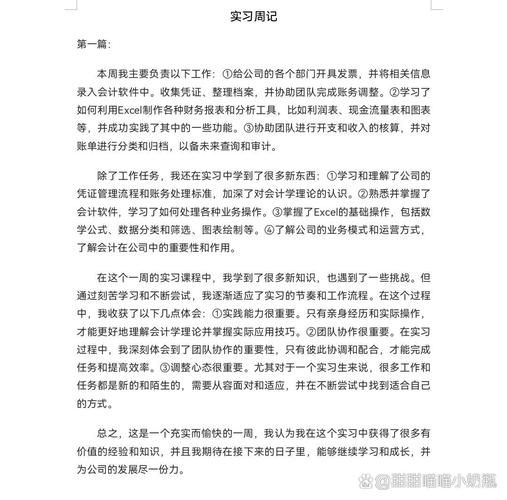
Preparation of conference materials, reporting documents, summaries of work, policy interpretation, etc. Is one of the daily high frequency tasks. One important speech, which may require more than a dozen amendments, will be finalized。
2. Policy implementation and supervision
It must be understood and implemented. For example, the landing of a welfare policy requires civil servants to be responsible for specific arrangements and supervision。
3. Mass reception and mail processing
Reception and handling of complaints is the first line of contact. In particular, grass-roots units have been “working with” the population for years。
4. Organization of the session and preparation of materials
Pre-session drafts, minutes of meetings and post-session summaries are all required of civil servants。
5. Statistics and reporting
The collection of working data and the regular submission of such data to superiors are important grounds for decision-making。
6. Coordination of communication and sectoral linkages
Many projects need to be pursued in a coordinated manner across units, and the ability of civil servants to integrate and communicate through the “sector wall” test。
7. Project management and on-site advancement
For example, environmental management, community governance, etc., require the involvement of civil servants in field organization, visits, reporting, acceptance。
Iii. Civil servants in different positions, what are the differences? (special reminder: the more grass-roots, the more complex and intense the task, but also the more able to exercise a combination
Type
Examples
Job characteristics
Administrative
Ministry of government, organization
Focus on words and coordination
Professional posts
Department of education, health commission
It's professional, it's complicated
Law enforcement
Public security, taxation, market regulation
The rhythm is tight. Law enforcement is strong
Basic posts
Streets, towns
Intensive engagement with the population, extensive mandate
Iv. Why are so many people running for civil service
Steady. It's the bottom line
Civil servants have state staff, legal protection and financial support. Normal performance of duties, with little unemployment, is particularly valuable in the context of today's increase in job uncertainty。
Well, well, it's an invisible advantage
The “five risks one” are fully covered, with a high contribution rate. Most also have an occupational pension, equivalent to an additional pension. In addition, there are benefits such as family leave, annual leave, medical examination at public expense, which create a stronger system of livelihood security。
Identity, a symbol of social recognition
Civil servants are “state officials” and are regulated and protected by legal systems such as the civil service act. In many traditional ways, it represents “decent, stable and promising”。
V. Is a civil servant fit for you? Please understand these points
Civil servants are not free jobs, but civil servants are occupations worth long-term investment
If you pursue:
The civil service is undoubtedly a worthwhile direction。
But remember that the key word for this work is not “easy”, but responsibility, regulation, adherence and service。
Attention is immediately given to the eulu education-channel page to obtain more important information about the civil service examinations。
Adjudication: