To grow monkeys? These techniques and methods have to know
Liu jiang and others
The fruit is elliptical, hairy, fertilized and nutritious. It is of great value, as well as food and medicine. In recent years, the expansion of large-scale cultivation of monkeys has also contributed positively to the rapid development of the local economy's forest industry, while helping farmers to grow wealth. In order to achieve a high harvest of the monkeys and to increase their economic income, it is necessary to adopt efficient planting techniques for crop management, taking into account local realities, to prevent and combat diseases and pests at different stages of growth in a timely manner, in order to actually improve the production and quality of the fruit products of the monkeys and to help farmers to increase their earnings。
Location of the park
The requirements for soil, temperature, humidity, light, etc. Are very strict during the growth process. Because of the drought-resistant, shallow roots, the monkeys like sandy soils with a ph value of 5. 5 to 6. 5. In general, monkeys grow at an ambient temperature of 0 ~ 36 °c and are prone to loss of leaves and fallers if the temperature is too high; they suffer from freezing injuries when the temperature is too low; and they have different requirements for light and water. Taking into account the above factors, it is recommended that the location of the monkeys be subject to a variety of conditions such as soil fertility, easy water availability, adequate light and flat ground, so that the monkeys are able to grow and grow. Taking into account the need for transportation of fertilizers, sprays and fruit harvests in the quinoa gardens, the planting areas should also be provided with transport facilities to facilitate manual and mechanical operations and transport sales。
2 precubation
2. 1 selection of seedlings
In order to ensure the quality and survival of the seedlings, it is recommended that the seedlings be selected as well-developed, well-growing and pest-free. During the period between december and february of the following year, planting took place at a suitable time, when the tree had reached a state of hibernation and had relatively long periods of recovery under the ground, which was very favourable for its growth. It is recommended that the field plant plants be 3 m x 4 m and ensure that 1 acre plant capacity is around 56. Unreserved sites, large-space courtyards, with no specific requirements, can be used flexibly, either clandestinely or sporadically。
2. 2 cultivation methods
One is to dig a cave. From the fall of last year, preparations began for a deep increase of 60 to 80 centimetres in the soil of the park, determining the number of holes to be dug, depending on the length of the line, requiring that the pit be found in 40 to 60 centimetres, that the farmer be fattening 50 to 100 kg, plus potassium, phosphorus, magnesium, 0. 5 kg each, and then refilling with the topsoil. The second is the configuration of varieties. Because the gills are pollinators, it is desirable to establish the number of female and male strains at the rate of 8:1, that the female and the male plant be consistent with the male bouquet, or that the female and the female plant be flowered at a later age of 1-3 days, and that the female and male species be relatively friendly, and that they be fully pollinated to increase the sitting rate and ensure a steady yield of the gills. Three is seedling planting. When planted, the plant is placed in the middle of the pit, the roots stretch, the soil is refilled, the pit is emptied and the foot is ploughed to increase the survival of the seedlings。
3 integrative cuts
Plumbing is a plumb tree, where a cement pole is selected (figure 1) and a flat roof is built, which is generally set at about 2 metres high, and the upper end is tied to a well-shaped font grid with an 8-lined wire, which allows the monkey to climb. And when the branches rise upon them, the branches of the main branch and the subsidiary branches grow, and they are trimmed periodically. To reduce nutrient consumption during growth, extra buds are cut off in a timely manner. In order to promote more concentration of nutrients, care must be taken in a timely manner for the result branches, which are 70 cm or more. In addition, it is timely and short-term for new leaves to fall. Scientificly, shearing can keep the tree in good shape and canopy light, and can contribute to the growth and growth of the chrysanthemum tree and reduce the incidence of pests and diseases. After the chrysanthemum tree enters the chrysanthemum period (figure 2), the branches are covered with mats, at which point the cut is to be considered in terms of extending the chrysanthemum period to ensure that the effective sprouts are reasonably laid on the shelf, so as to avoid the occurrence of early fruit decay and small and medium fruit. There are usually two ways to trim the monkey tree: winter, summer. During the winter season, 15 days after the fall of the leaves and 15 days before the flow of the early spring tree fluid, the main branch is briefly cut short, with the cutting of the branches, the weak branches, the sick branches, the old branches, etc., and the renewal of the tree body, thereby increasing the outcome years of the monkeys. Summer trims, which mainly include graft, graft, etc., have the main effect of reducing unnecessary nutritional consumption and concentrating on nutrients to provide growth needs for fruit。
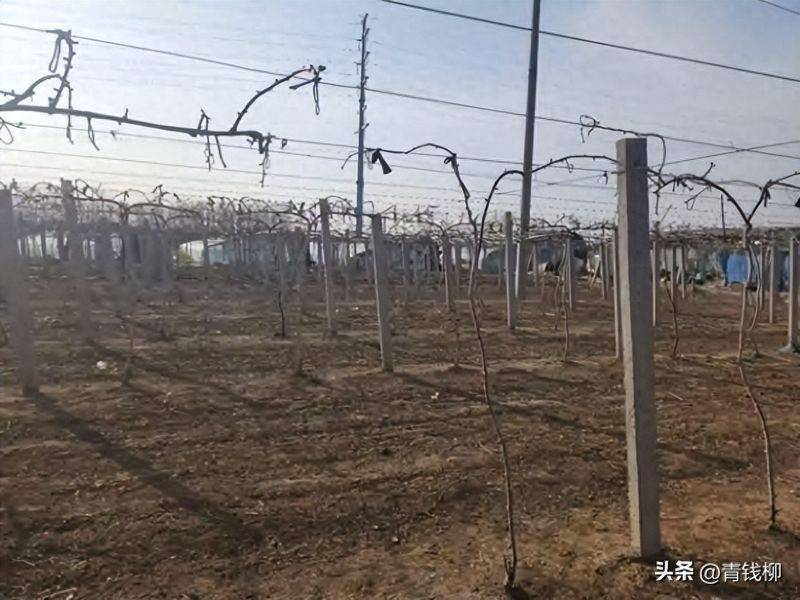
Figure 1
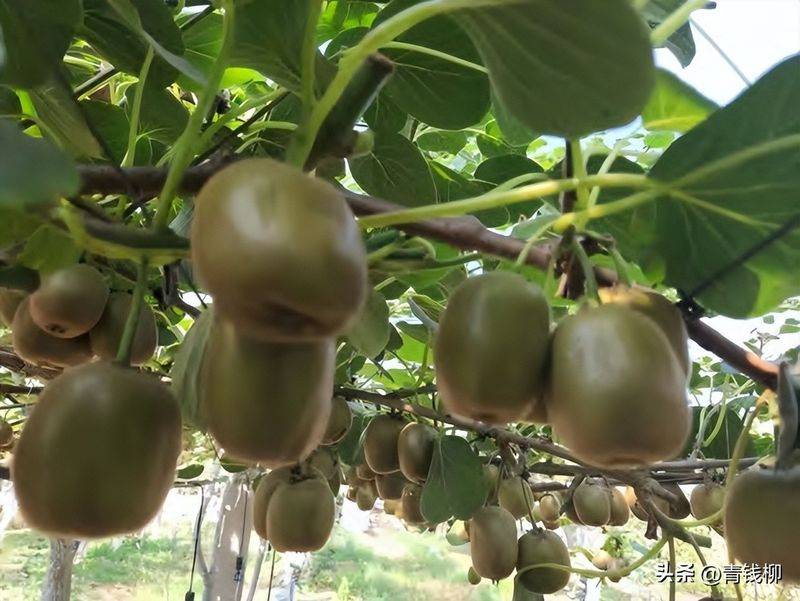
Figure 2
4 flower fruit management
The management of flowers is an important part of the growth of monkeys, and the management of varieties, tree age, tree positions and orchards is based on the experience of the management of flowers, preservation of fruit, raising the rate of sitting fruit and preventing nutrient losses. The chrysanthemum period (figure 3) is only about a week, but it has more than a month, so it begins to remove the buds during the buds, which are deformed, infested and weak, and reduce the consumption of nutrients; the bouquets are debilitated with deformity, side flowers, weak flowers, back flowers and leafless flowers. In general, pollination is carried out using honey taken by bees, which, in the absence of bees, can assist artificial pollination and increase pollination rates of monkeys. This is done through the use of tools such as curry pens to pollute the mackerel and pollinate the female. In 15 days after the end of the oxidation, the fruit is removed from stunted, infested and mechanically damaged fruit, and in general, the long branches leave 4-5 fruit, the medium branches 3-4 fruit and the short ones 1-2 fruit. 3 the number of fruits per tree of young age is controlled at 25-30, the number of fruits per tree of old age at 60-80 and the number of fruit per tree at 150-200 for 5 years and above. This would allow for a reasonable load and would effectively improve sit-in rates and the quality of fruit。
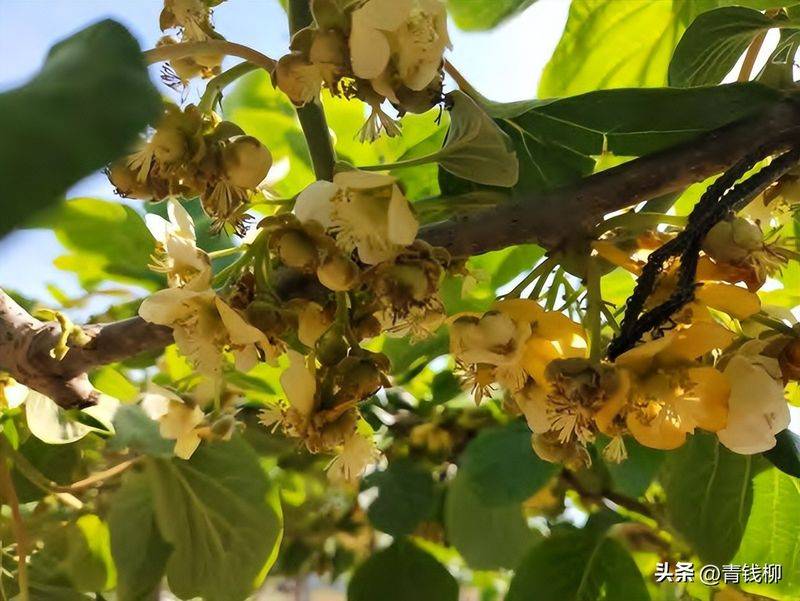
Figure 3
5 fertilizer management
The root of the monkeys is shallow, prefers a wet soil environment, and the management of water fertilizers is an important measure to promote the rapid growth and premature harvest of the monkeys. In years of high temperatures and low precipitation, and particularly in spring, there is widespread water scarcity and drought in fruit trees, and irrigation is needed to increase the water content of the soil and to guarantee the water supply needs of the monkeys. In general, water is pumped once before the tree acupunctures and seals are unsealed; in may-september, temperatures are high and water is pumped once in order to alleviate the drought in the chrysanthemum trees; and before the soil is frozen, water is poured over one time to ensure that the tree is resistant to freezing and can successfully and safely climb the winter. The fertilisation of monkeys typically includes the application of fertilizers and the pursuit of fertilizers, with different fertilisations depending on the age of the tree. The timely application of base fertilisation after fall leaves, which is dominated by high-quality decomposition farmers, combines a small amount of potassium nitrogen phosphorus compound fertilizers, thus facilitating the absorption of the gill nuts and laying the foundation for healthy growth in the next year. The pursuit of fat is the application of precipitous fats at the onset of a bud, with additional swelling and fertilizers during the outcome period. Fertilizers are applied in circular ditches or strip ditches in order to avoid direct contact between the fertilizer and the root of the monkey and to prevent root burning。
6 fruit harvest
The harvest, storage and transport of the nuts are needed in a timely manner during the ripe season. Due to the thinness and vulnerability of the nuts, the timing of harvests, collection methods and so forth are strictly required. It is not appropriate for harvests to be too early or too late, and if the fruits are not mature enough to harvest them too early, the fruits are too hard and bad to taste; and the gills that are harvested later are too soft and fragile to be stored and transported. It is therefore only by taking the right harvest time that the quality and taste of the monkeys can be assured. It is recommended that harvests take place in the near maturity of the monkeys, that they begin when the weather-free morning temperature has not risen, and that they be carried out in a manner that does not damage fruit or branches. The fruits taken are stored in the bank or transported for sale according to the grade of quality fruit and ordinary fruit。
7 pest control measures
7. 1 enhanced guidance
The local authorities must give high priority to the prevention and control of economic diseases and diseases, such as the monkeys, by sending technical staff to help farmers to improve their knowledge of the common pests and diseases of the monkeys, including through orchard and field guidance. The fruit farmers, under the guidance of their technicians, should conduct early monitoring investigations and take timely preventive and control measures in the early stages of the disease and pests in order to avoid the effects on the quality and yield of the fruit and the loss of the fruits and fruits。
7. 2 agriculture control
The first was the use of a white coating tool during the winter to whiteen the trunks (chart 4), to kill winter pests and fungi hidden on the trunks, to cut out the branches with eggs, and, together with the ground weeds, to be burned out of the garden, which could significantly eliminate or reduce the fungus of winter worms. The second is a pseudo-mortem pest, which is manually killed by shaking and shaking the trees, and by shaking them. The third is to hunt for highly resistant pests by planting sugar vinegar, lanterns, stickers, etc. At the poaching grounds。
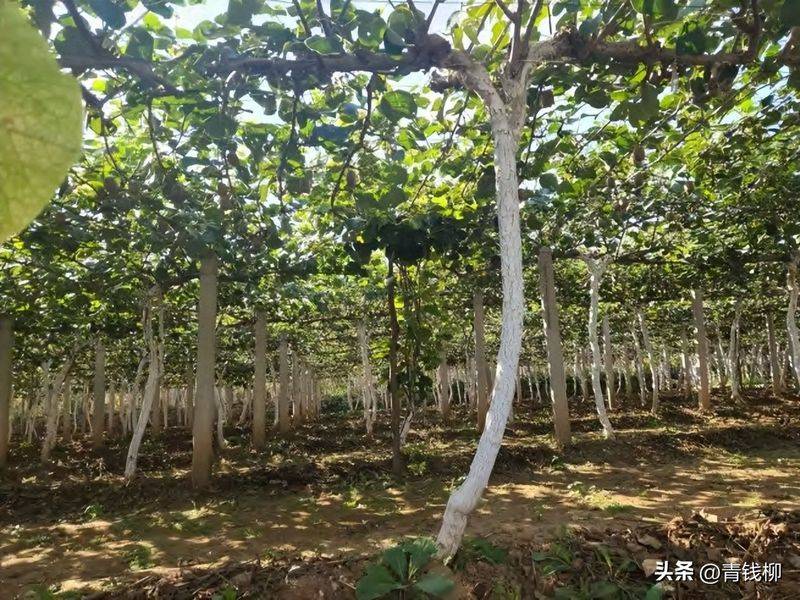
Figure 4
7. 3 chemical control
During periods of high concentration and high frequency of pests, more safe biological pesticides for fruit trees, such as microbial pesticides and plant-based pesticides, are used to effectively combat the pests of monkeys within the optimal time frame, and highly toxic and highly toxic pesticides with high residues in fruit trees are strictly prohibited. Pesticides are sprayed for as long as possible to avoid the temporal nodes of natural enemies, and pesticide ratio concentrations are strictly controlled and pests and pests are specifically and precisely treated. Spray control should be accompanied by protective measures for the safety of spray personnel in order to avoid drug abuse or poisoning。
Conclusions
The nutritional value of the monkeys is extremely high, with a large number of hungry people. In the management of cultivation, a combination of factors such as planting techniques, water fertilizer management and orthopaedics should be taken into account, and the necessary human, material and financial resources should be devoted to adapting and optimizing cultivation techniques. In combating pests and diseases, prevention should be the focus of careful analysis of the causes of their occurrence, and comprehensive measures should be taken to prevent and control them in a timely manner so as to ensure the healthy growth of the monkeys, a significant improvement in the quality of the fruits and produce and greater economic benefits for the farmers。