This is liu xiaoshun's institute of travel and living。
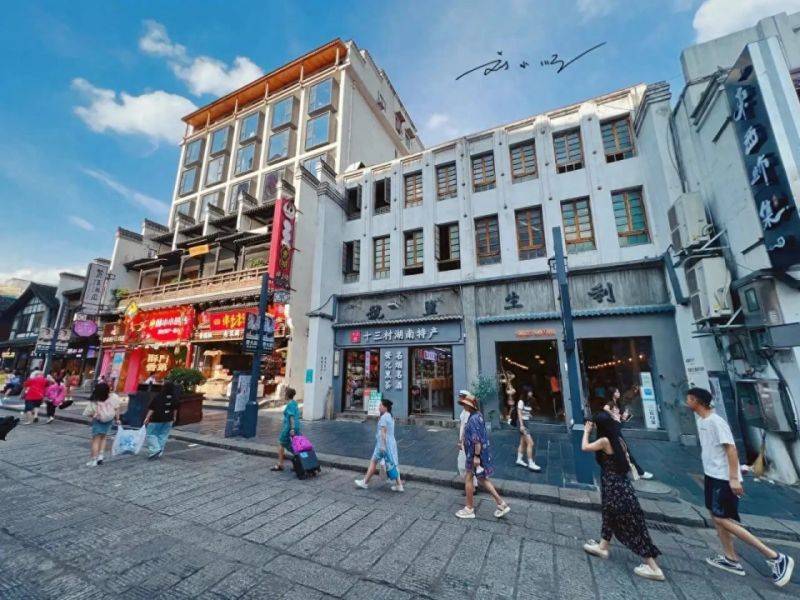
I was invited to go to hunan a while ago and started a “saving the ancients” tour, which was undoubtedly one of the brightest of its existence. As the first largest city in hunan province, the president of the province, sha, has long been known for his “net-red identity” throughout the country, becoming a “top-flowing tourist destination” in the minds of countless people, and it became clear that changsha’s charm goes beyond the word “net-red.”。
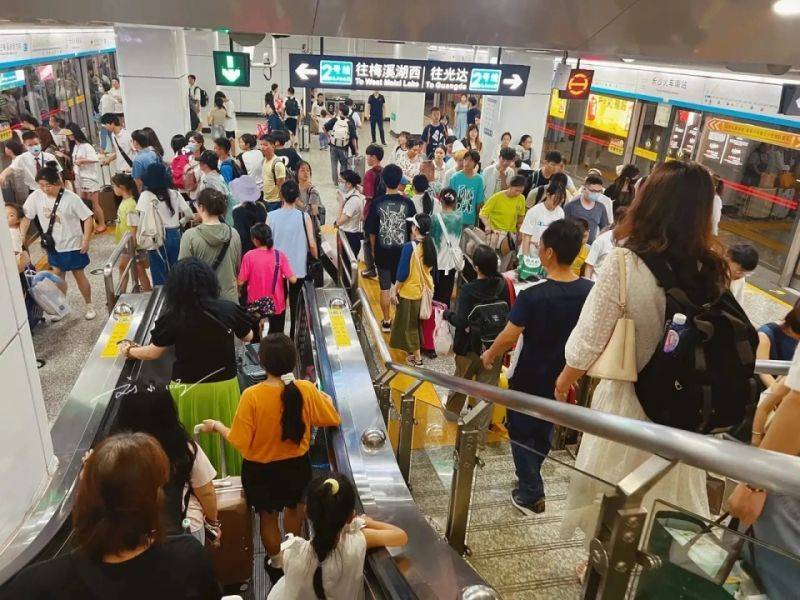
Geographically, changsha has a unique advantage: it is located in the eastern part of hunan province, passing through the city downstream through the flat terrain on the western edge of the basin, allowing the city to have both the elixir of mountains and the open atmosphere of the plains. As the centrepiece of the major urban centres in the yangtze mid-range region, the changsha is not only the country's important food production base, but also the key node of the yangtze mid-range urban cluster and the yangtze economic belt. The integrated transport hub and the national logistics hub have been positioned to serve as an important gateway to north-south and east-west communication, with high iron, airport and port networks that are easily interwoven, attracting eight tourists and investors。
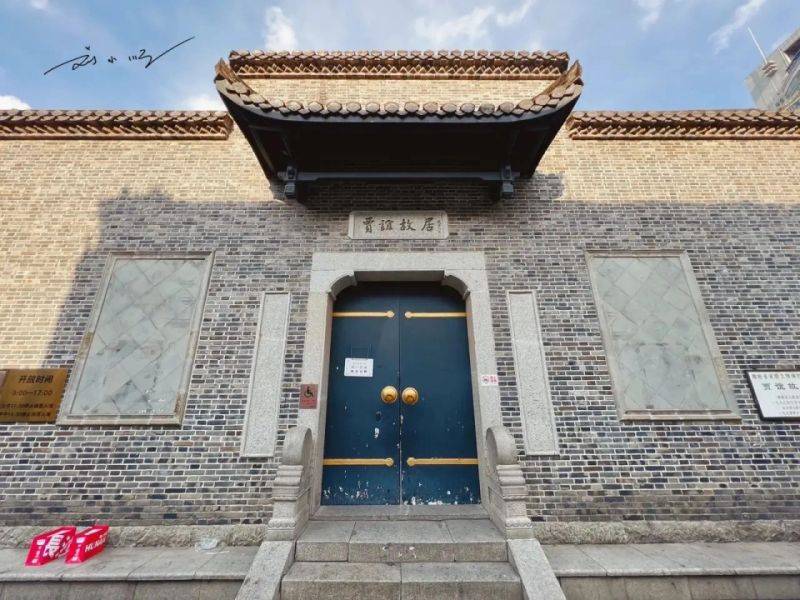
As the first “national historic and cultural city” in our country, the “end of the millennium” of changsha is amazing — its name and its site have remained unchanged for 3,000 years and are extremely rare in cities throughout the country. This is the land of chudjia, where jaijia left an undying chapter; the town of chuhan, the silk fabric and paints from the tombs of king ma, which bear witness to the prosperity of the han dynasty; and the house of law and order, one of the country's four ancient houses, whose songs have been sung for thousands of years, which have given birth to countless human ink visitors。
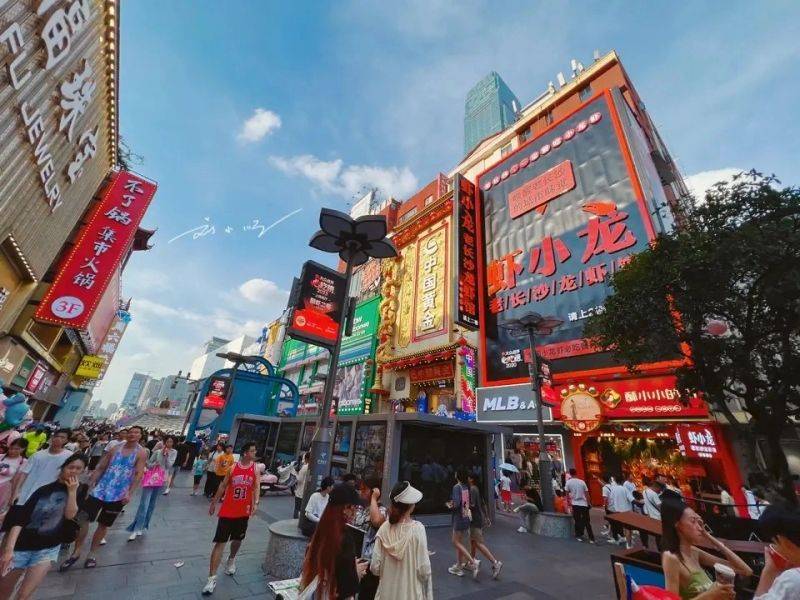
Today's sand is both historical and modern. As the political, cultural and economic centre of hunan province, changsha is densely populated and diverse, where many ethnic groups, including han, the turkish family and hmong, live in harmony, and different cultural practices combine with a unique urban atmosphere. Improved transport, communications and infrastructure facilitate people's lives and travel; well-developed manufacturing and service industries allow the city to advance steadily in economic development, while street-wide malls, restaurants and cafés demonstrate the dynamism of long-salary consumption。
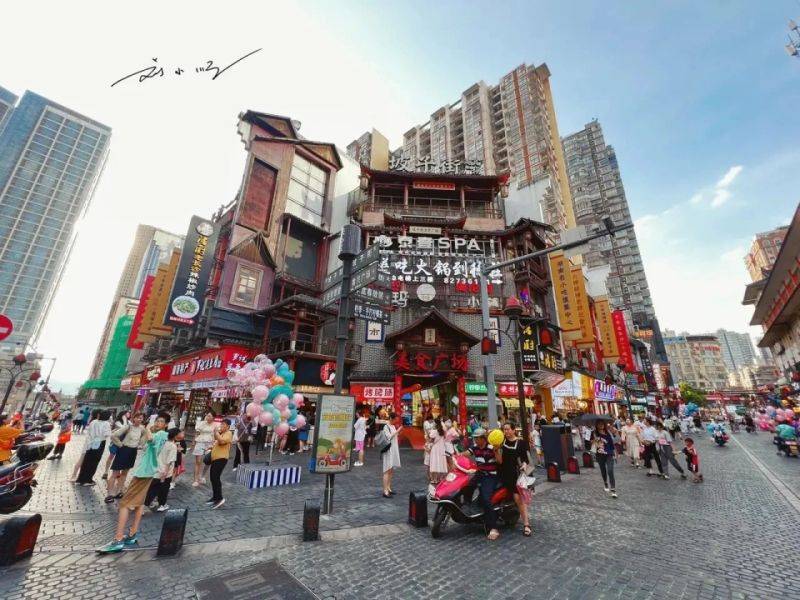
The charisma of changsha is also reflected in the rich attractions and cultural activities. Yuen shan is both a natural landscape and a famous cultural mountain; orange is the “city card” of changsha, with all seasons of beautiful sights and evenings, roaming the beach and watching the fall of the river; the opening of the temple as the oldest buddhist monastery in changsha is a good place for people to pray for peace; and the fire palace is the “cosmography” of the changsha folk culture, where they taste long sand snacks and enjoy traditional performances. In addition, the cultural festivals, music festivals and art exhibitions held in changsha throughout the year have increased the cultural atmosphere in the city and attracted many cultural fans to play cards。
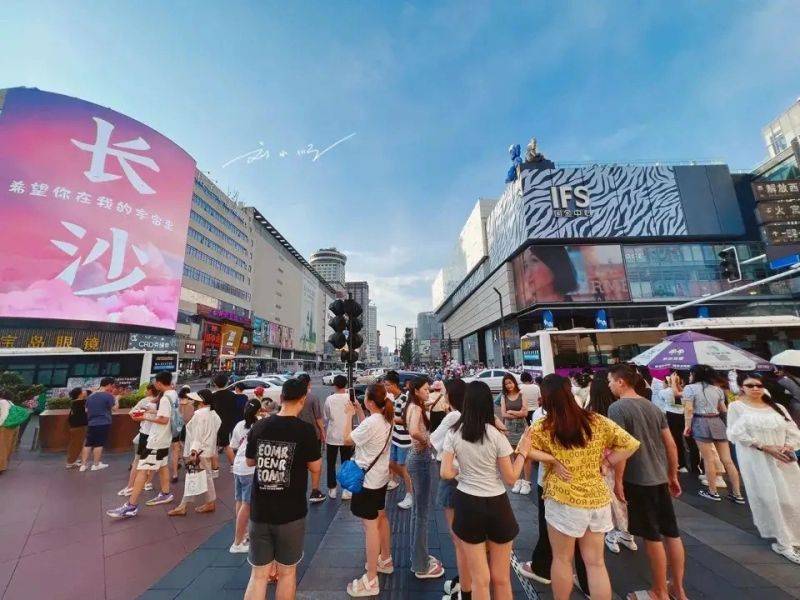
And there's nothing more fascinating about changsha than its “lively” entertainment. As the country's famous “entertainment capital”, the entertainment industry is particularly well developed: hunan watch's fusion programmes are raging all over the country, and major studios often have star-recording programmes, which, with good luck, can happen to idols at the end of the street; the commercial circles of west road, hills street, etc., are liberated from the flames of day and the lights of night, and the bar, the clean bar, the livehouse music, the young people's enthusiasm is unleashed here, and there are still traffic and crowds on the streets at dawn, as if this city never “sleep”。
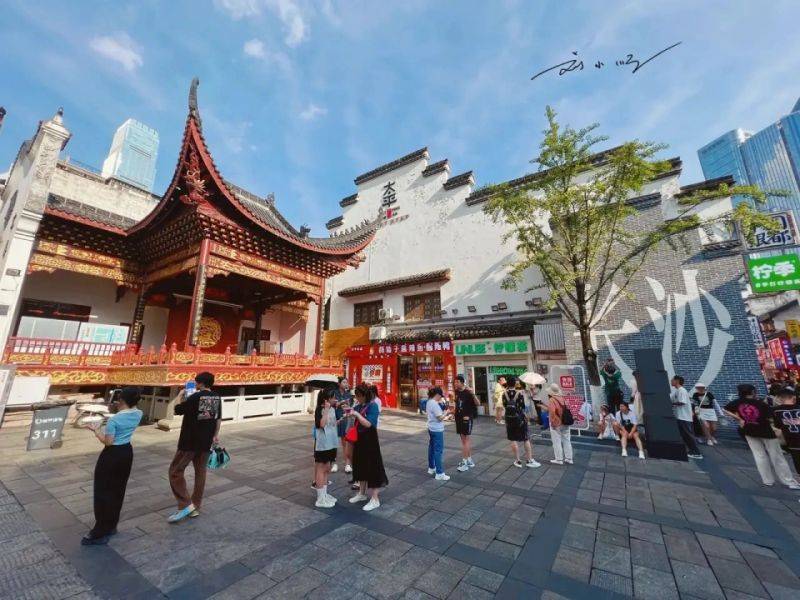
Because changsha has always had an alias called "star city", changsha is now being called by many tourists, and the "star" here in "star city" should mean "not just stars in the sky, but stars in the ground." it is no wonder that this unique quality of entertainment has made changsha the “city of happiness” that young people aspire to, so naturally it is easy to understand。
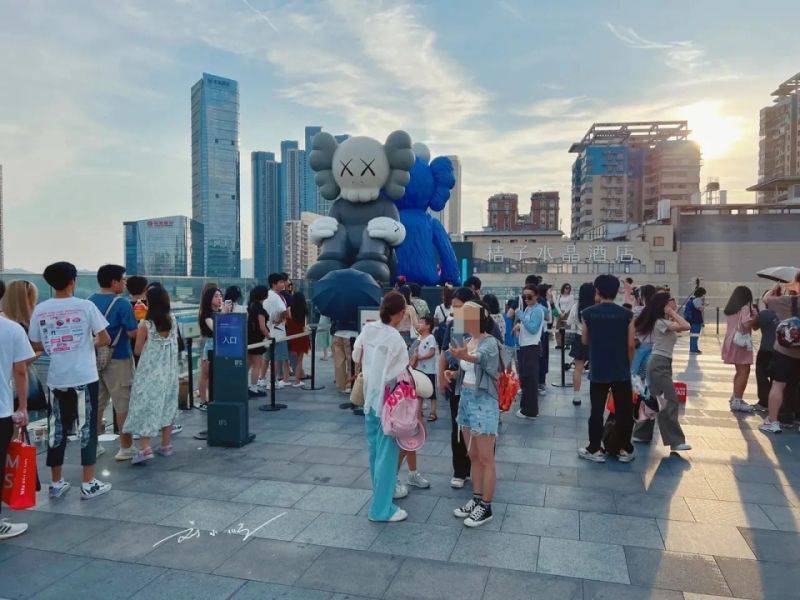
Whether it be the sanctuaries of a millennium of history or the currents of modern times; whether it be the spicy foods or the vibrancy atmosphere, changsha uses its unique charm to make every visitor forget. Changsa, a city of “historical names, cyber-red cities, innovative bases, entertainment capital” in the city of hunan, has gone beyond the inherent perception of the “provincial capital” to make it a city of infinite potential vitality. I wonder if you've been to long sand? How are you feeling? You're welcome to comment
I'd like to draw your attention to something more wonderful:
Looking at the world in an interesting way, being the most attitudeful traveler。