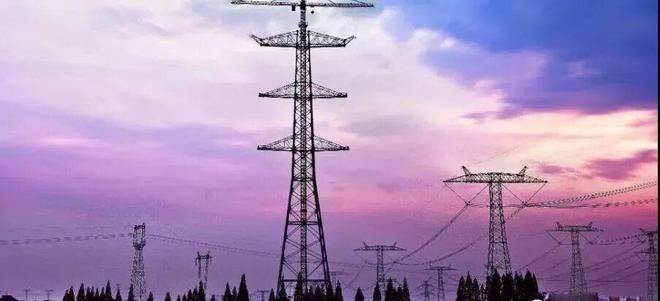
The electricity system is the basic form of the electricity industry, and it is a unified whole of the components of distribution, transmission, transformation, distribution and use. The generator converts the mechanical power into a three-phase exchange swirl wave power, and in order to reduce the loss of electricity on the transmission line, the pressure transformer is required to pressurize it and then to transfer it at high pressure, which is transported over multiple times to the 10kv user terminal conversion station. In the above-mentioned process, electrical power is delivered using three-phase communication lines. For three-way four-way and three-way five-way systems for low-pressure systems, the electricity system provides for a low-pressure level for the exchange of 1000 v and below。
For the 10/0. 4 kv level of end-of-user transformer, it means a low-voltage distribution system from the second side of the transformer to the load. Article 7. 0. 1 of the gb50052-2009 design instructions for power distribution systems "the mode of the conductor system, which allows for single-stage two-way, two-way, three-way and three-phase four-way systems。
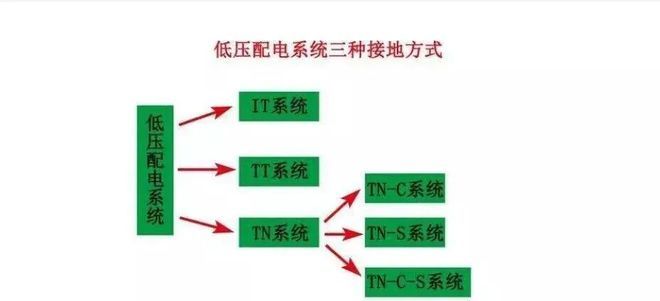
Low-voltage distribution systems in ground-to-ground type, with the use of tn systems, tt systems and it systems.” three-phase quadrilateral, three-phased, three-phased, three-phased a, b and c phases drawn from the second side of the three-phase transformer; four-line, three-phase a, b and c phases drawn from the second side of the three-phase transformer, and one neutral line. The current 10-kv-assembly transformer uses the dyn11 interconnector transformer, and the second-side transformer is star-shaped, taking into account the single-phase load, which leads to a neutral line from the point of sexuality, and three-phases plus a neutral line is four。
(1) parsing of 3-way lines
The three-to-five system is in fact a false call, which is not the case in international standards. The iec standard has two categories of electricity distribution systems。
One is classified by an electrical conductor and the other by a local system. A maximum of three-to-four lines, i. E., three phase lines, one neutral line, classified by vector, as follows:
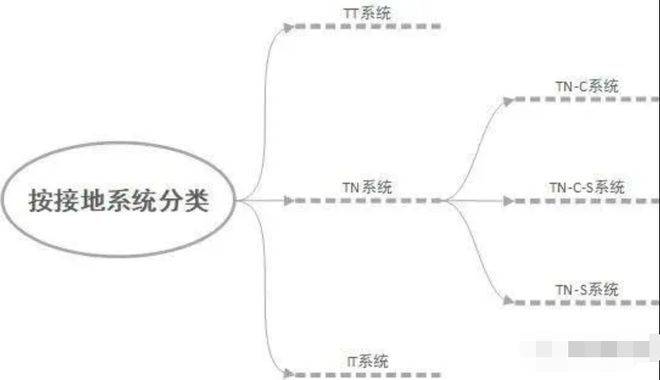
The first of these letters indicates the relationship between the power source and the earth:
T: a point (usually a pen or n line) indicating that the power source is connected directly to the land without resistance, and that t is actually the initial of the french land
I: means that the power source is isolated from the land or that the electrical conductor of the power source is highly resistant to being connected to the land (e. G. 1,000 times), and i is also the initial letter of isolation in french
The second letter indicates the relationship between the exposed conductive parts of electrical installations and the earth:
(b) t: means that the exposed conductive portion of the electrical installation is directly connected to the land and that he is not connected to the site where the electrical conductor is attached to the site
N: indicates that the exposed conductive parts of electrical installations are connected to the site by connecting the electrical medium line (n-line)。
The rationale for the classification of these five local systems is illustrated below:
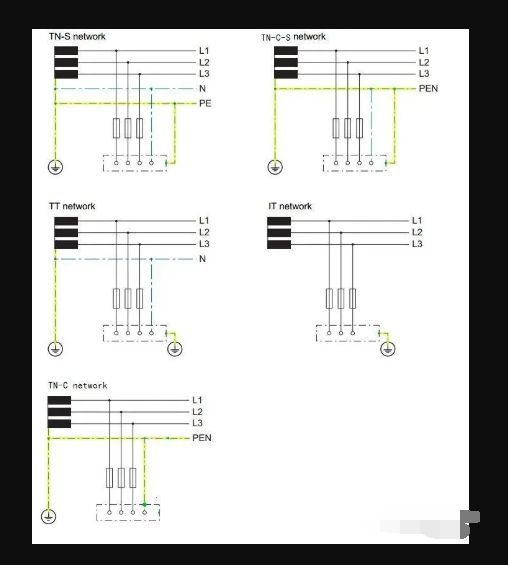
From this we can also see that there are five lines for tt systems, tn-s systems and tn-c-s systems. What is the three-way-by-five system called? So don't use the wrong three-to-five. In fact, these three distribution methods, classified by vector conductor, are three-way, four-way systems, except in different locations. It would be more unique to describe electricity distribution systems in a generic, ground-based system classification。
Nor should the term “zero line” be used, which is highly inaccurate, is it a neutral line or a pen? There is no precise definition at all, nor is it clear. And if the pen line is not distinguished from the n line, it leads to a safety accident. So please don't use the word "zero line"
(2) three-system rectification
The three-way four-way system typically consists of three phases (a, b, c, u, v, w or l1, l2, l3) and neutral (zero line) (n line) providing three phase voltages, with no separate line (pe line), but rather a neutral line (zero line) and a surface line。
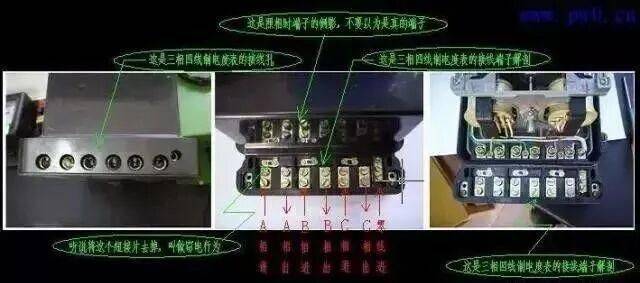
In some balancing loads (e. G., high power air conditioners) also refer to systems consisting of three phase and surface lines, since the load balance does not require neutral lines. According to china, the voltage (i. E., wire voltage) between civil power lines is 380 v and the voltage (i. E., phase voltage) is 220 v. The entry line is typically based on a single-stage three-line system, consisting of one of the three phases, while the other two lines are essentially the same as the one shared by the neutral line and the ground line。
The interface consists of three line l1-(a), l2-(b), l3-(c) and a zero-line pen, a zero-protection system that combines working zero and protecting zero. The pen line is designed to obtain 220 v-line voltage from the 380 v phase, and may be used in some instances to conduct zero-sequenced current detection for monitoring the three-phase power supply balance。
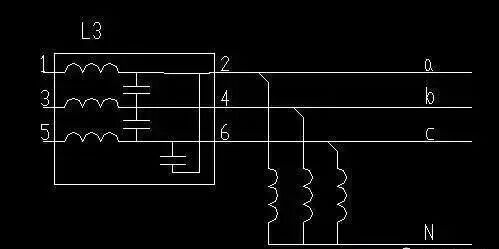
Note: a working zero line is used to connect the zero line, which can be called the protection neutral line and can be expressed as npe。
1) the metal casings of electrical equipment connected to the line of protection have a certain voltage on the ground due to the imbalance of the tri-hub load, the uneven current on the working zero line and the creation of a certain level of power differential on the online road。
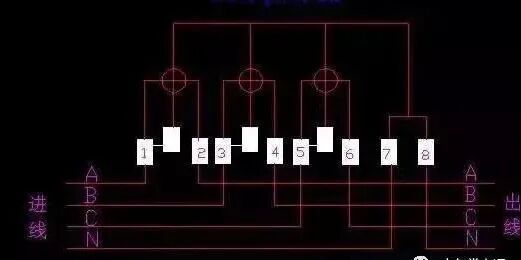
2) if the working zero line is cut off, protect the shell of the zero leaking device from electrical charge (to the ground 220v!)。
3) if the power lines touch the ground, the equipment's shell level rises, spreading the dangerous level on the neutral line。
4) when a leak shield is used on the main line of the tn-c system, all repeat sites behind the leak shield must be removed, otherwise the leak switch cannot fit; and the zero line must not be disconnected under any circumstances. So the functional zero line can only repeat the upper side of the leak protection。
5) the tn-c mode power supply system only applies in the case of a three-phase load basic equilibrium (no 220v load)。
In low-voltage distribution grids, transmission lines are typically three-phased, three of which are a, b and c, respectively, and the other is neutral n (if the neutral point on the side of the circuit is located, the neutral line is also called zero, and if not, the neutral line cannot be, strictly speaking, zero)。
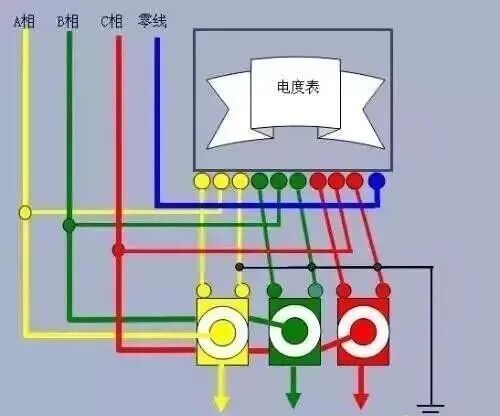
There are two lines, one of which we call a fireline, the other of which we call a zero line, which normally uses currents to form a circuit of currents in a single line。
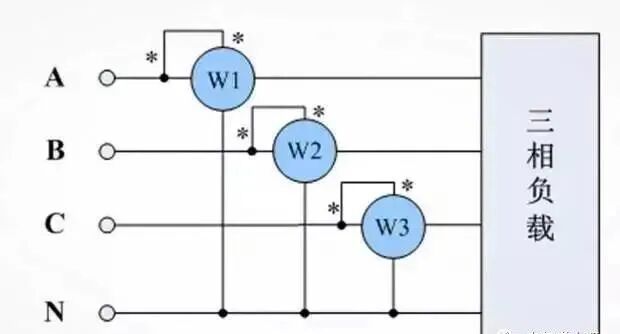
In the three-phased system, the neutral line (zero line) is free of electricity and is therefore called a three-phase four-line system; in the 380v low-voltage distribution grid, the n line is set up to obtain 220 v-phase voltage from the 380v inter-line voltage, and may be used in some cases to conduct zero-order current detection for three-phase power supply。