Customs duties (mural: guān shu) refer to taxes levied by a government on goods passing through the border in accordance with political and economic needs. According to the customs law of the people's republic of china, this tax is levied by customs on goods authorized for import or export, goods entering the country. The subject of the tax includes the consignee of imported goods, the consignor of exported goods, etc., and the subject of cross-border electronic commerce may be subject to a withholding obligation。
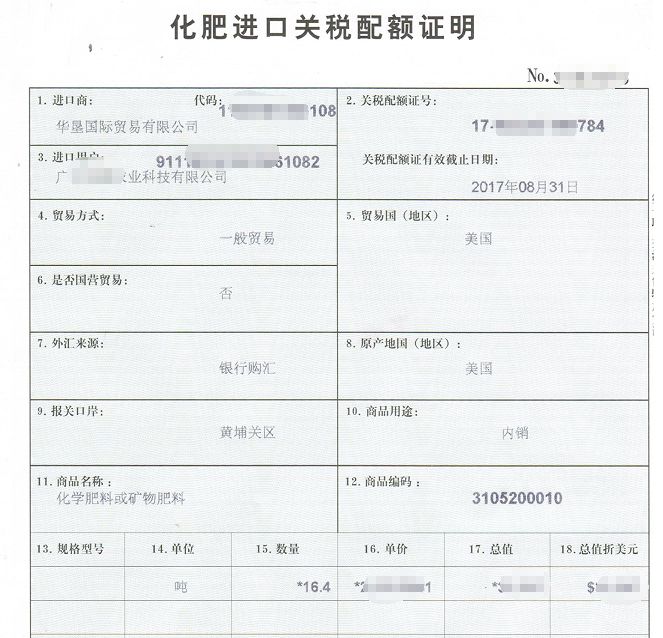
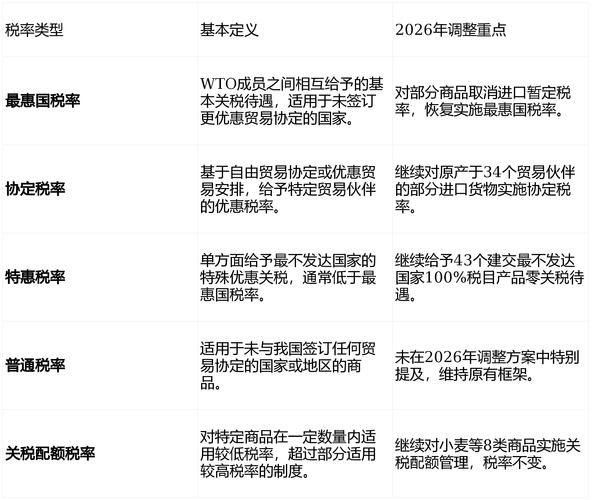
The tariff lines are implemented in accordance with the import and export tax code of the people's republic of china and are divided into import mfn rates, agreed rates, preferential rates, general rates and export rates, with tariff quota rates and provisional rates. The entry of goods for which an individual has a reasonable personal use may be taxed on a simple basis, exceeding the prescribed amount by the goods. The 2025 tariff adjustment programme introduced provisional import tariffs for 935 commodities and zero tariff treatment for 43 ldcs. The tariff adjustment programme implemented on 1 january 2026 adjusted the tariff rates and tariff lines for imports of goods such as iron and steel, coal, colour, cotton and urea, with a total cotton import quota of 89. 94 million tons, a ski duty outside the quota, and a 1 per cent low tariff rate for imports within quotas for fertilizers such as urea。
China's customs duties can be traced back to the western week of the “gum city collection”, which began to expand during spring and autumn. Four customs administrations, such as the qing dynasty customs, were set up during the year to collect banknotes and goods taxes, and only import and export taxes were retained after the elimination of the standing duty in 1931. The new china gained tariff autonomy after its establishment and the customs law of the people's republic of china, enacted in 2024, replaced the old customs regulations on imports and exports。