Origin of species
Potato was first planted in mexico, colombia, central america, by siban
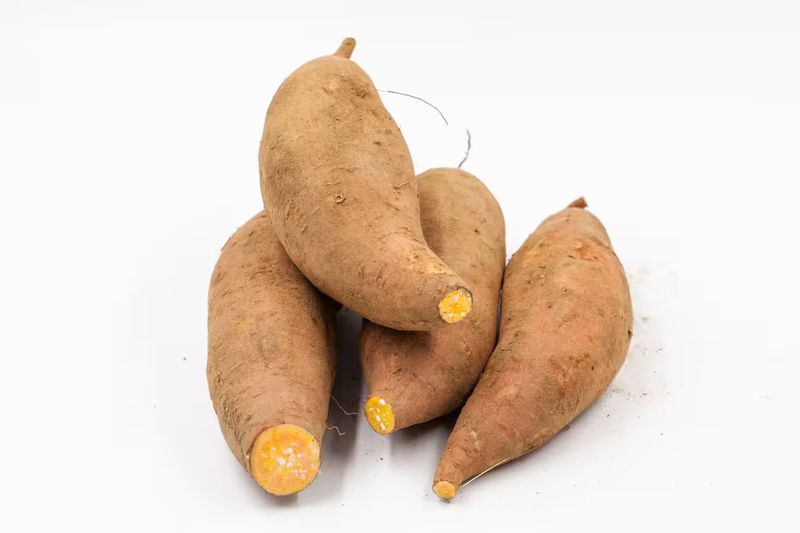
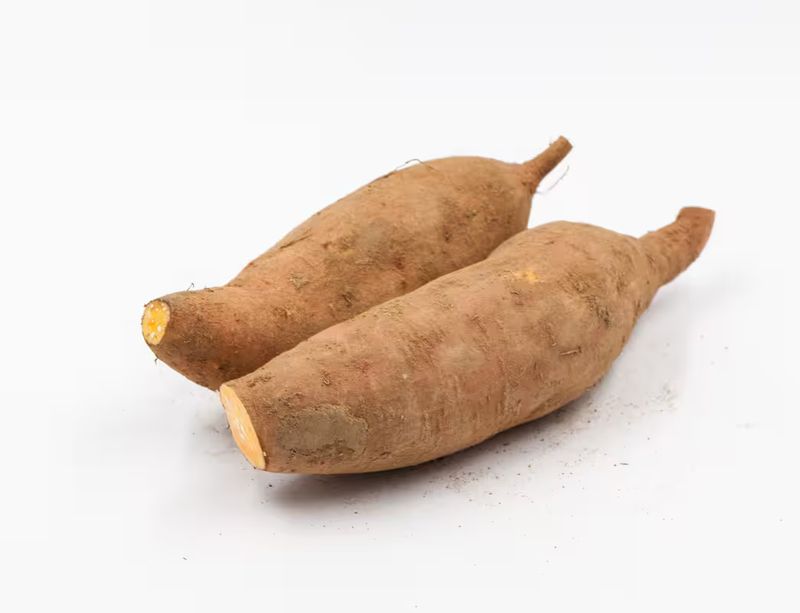
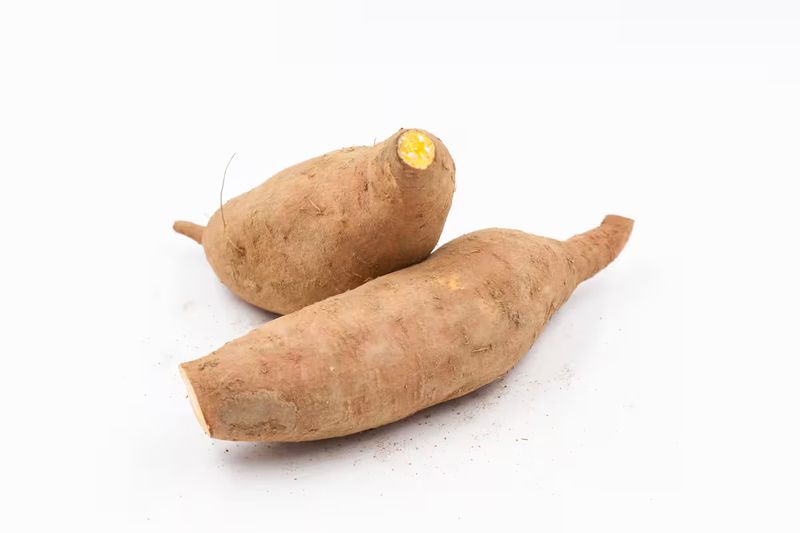
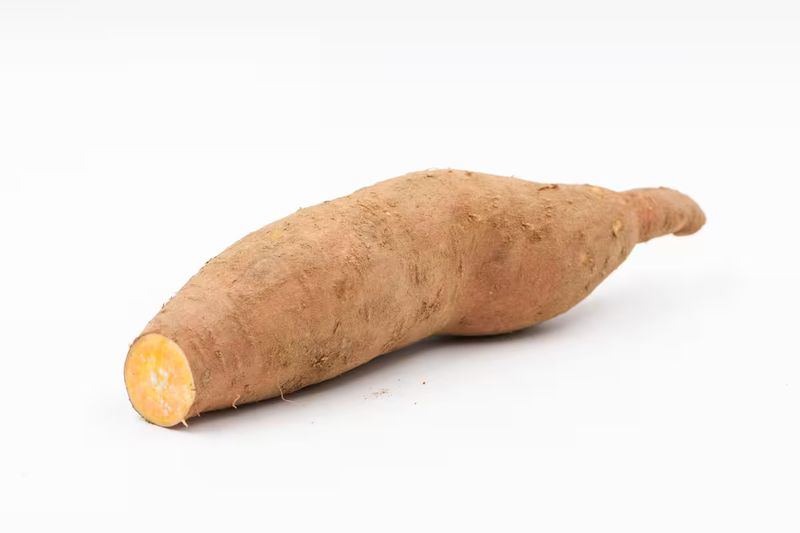
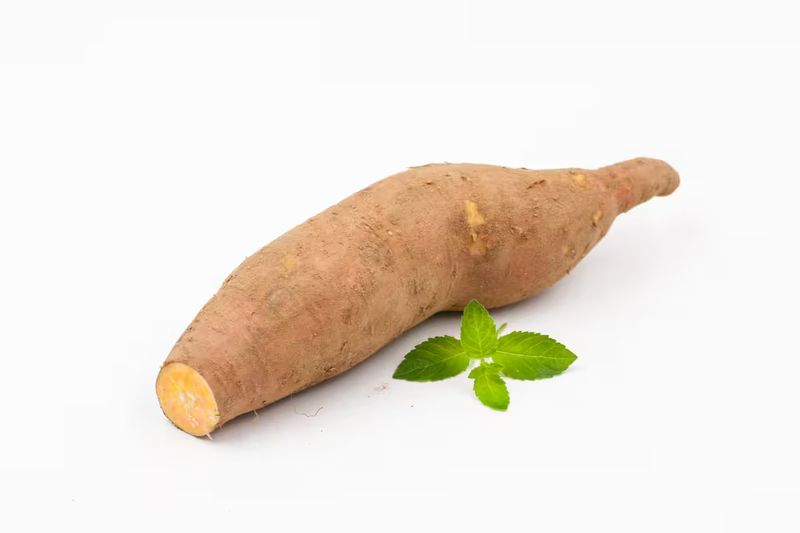
The toothnuts were brought to the philippines and planted, and the potato was first brought into china by three routes into china - yunnan, guangdong, fujian4 - during the late 10,000-year period of myung dynasty。
It is generally accepted that the introduction of potatoes to china originated in 21 years (1593). In the morning, chen zhenlong, a famous trader in luzon (the philippines) for many years, along with his son, chen zhenlong, saw the local cultivation of a root crop called “cassava”, the root of which is “big punches, red skin, juicy heart, juicy heart, cuisine, ready to eat, high yield and broad breeding”. In view of the fact that his home country, fujian yamada, had few land and insufficient food, chen zhenlong was determined to introduce sweet potatoes into china. In 1593, under spanish colonial rule, the philippines regarded the sweet potatoes as a miracle and “prohibited departure”. Chen zhenlong, after a carefully crafted plan to “take the potato vines into the waterline” and rubbed mud on the ropes, managed to avoid the colonial crossing in early 1593 and “destroy the sea”. The cruise lasted seven days and returned to fujian gate in late may. Potatoes come from extraterritorial sources and are referred to as “potatoes”. The introduction of sweet potatoes by chen, as well as the publication of the general book of agriculture and the talk of the " trees and trees " , are discussed。
When the potato is brought into china, it displays its adaptive strength and undesired quality, with its high yield of “tens of tons of rock and twenty times the success of the grain”. With the addition of “sweet food, or cooking or powdering, raw foods, cooked as honey and smelling as good”, it can spread quickly to the interior. At the beginning of the seventeenth century, gangnam was suffering from severe water shortages, with no harvest and no displaced people. At a time when the scientist, seo guangqi, was living in shanghai because of his father's death, he learned that potatoes planted in places such as fujian were a good crop to save, and then introduced them to shanghai, where they spread to jiangsu, with good harvest。
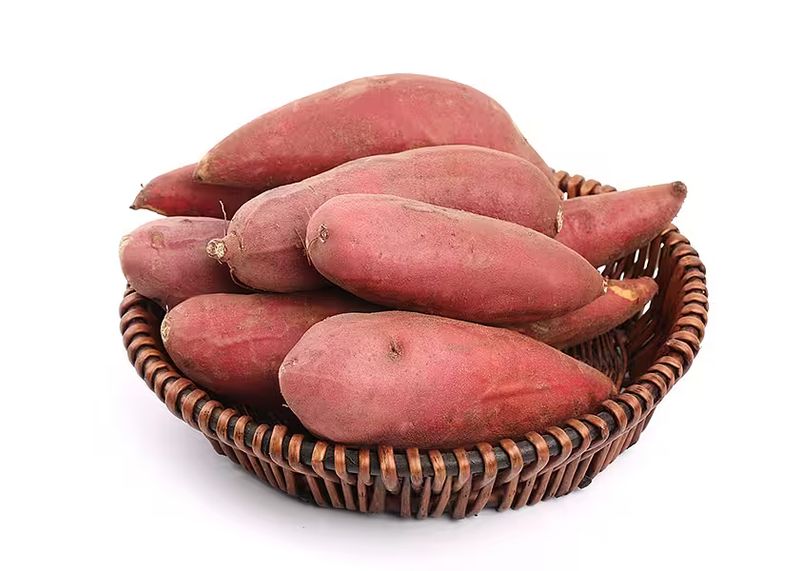
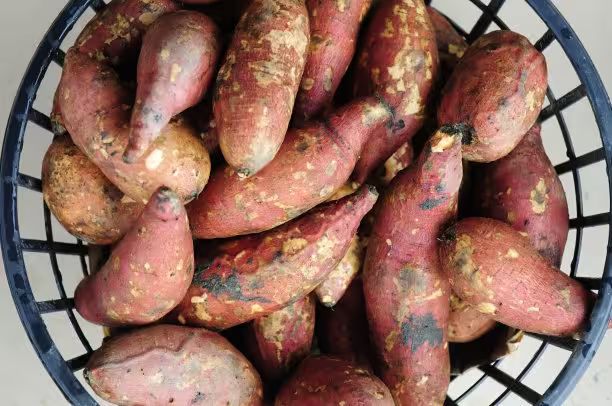
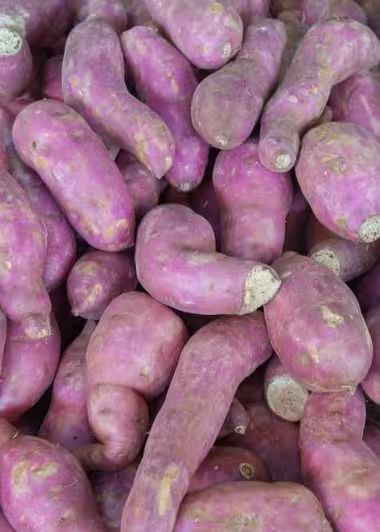
Chen zhenlong's fifth grandson chen quan gui, who in his early years brought potatoes to zhejiang, and his son chen se won, who took several of his seniors to henan, hebei and shandong, widely publicized them. Chen se won is reported to have grown potatoes when he taught them in the town of ancient shantung yugyu state, and to have grown them in person, cut chickens, and harvested them in the autumn. Potatoes are soon spread in north china。
During the clean-up period, many areas were planted by official advocates. In nail, and more so, by the emperor, “the royal province has encouraged widespread planting”. As a result of its active expansion up and down the field, potatoes were soon widely grown throughout the country and became china's fourth largest food crop after rice, wheat and maize. Potatoes passed to sichuan in 1733, yunnan in 1735 and guizhou in 1752. Since then, potatoes have been found in the south-west。
Form characteristics
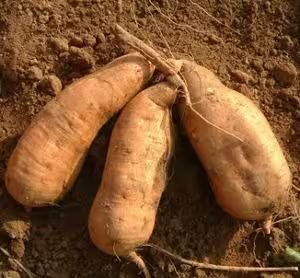
The shape, skin colour and skin colour of the root of a year's grasspad with a circular, elliptical or hammer-shaped subterranean part vary from species to soil. The stem is flattened or raised, entangled, branched, cylindrical or elastic, green or purple, fluffed or hairless, and the penis is subject to dissipation 6。
Leaf shapes, colours often vary from one species to another and sometimes have different folic shapes on the same plant, usually a wide egg shape, 4-13 cm long, 3-13 cm wide, full-line or 3-5 (-7) fractures, a wide ovary, triangle or line-shaped pin shape, a pelvis-based heart or near-alignment, a tip of the top, two sides of the same face, a thick green, yellow green, purple green, etc., and one of the characteristics of a variety; leaves are of a different length, 2. 5-20 cm long, trim or no hair。
A fusion of 1-3-7 bouquets in an umbrella shape, with a cavity of 2-10. 5 cm in length, a little thick, hairless or sometimes fluffy; a small, cape, 2-4 mm in length, with a tipping or sharp tip, with an early fall; a crotch of 2-10 mm in length; a long or ellipse in a long shape, with a length of 7-10 mm in length, with an inner crotch of 8-11 mm in length, with a hair-streaked, hairless or alienated at the top; a pink, white, pale purple or purple, bell or funnel form, 3-4 cm in length, with no hair outside; a luminum and a luminum in a column, with hair in a silky section; and a room 2-4 with hair or sometimes no hair。
Varieties vary according to species and growth conditions, with some species being easy to bloom, others bloom in times of drought, often in areas with high temperatures and short daylight, and rarely in areas with lower temperatures. Pyramid ovaries or flat circles with false diaphragms divided into four rooms. Seeds 1-4, usually 2 without hair. Since potatoes are pollinating with algae, self-plowing is often weak, and sometimes the result is invisible。
Growing habits
Temperature
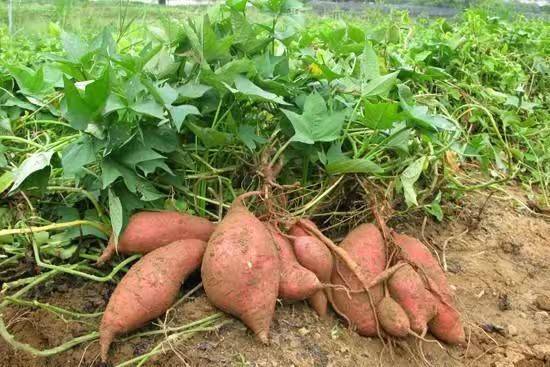
Potatoes are warm, cold, intolerant, with an appropriate growth temperature of 22-30°c and no growth at temperatures below 15°c. Temperature requirements vary from birth to birth, with geront temperature at 18-22°c and gerontity rates at too low temperatures. The temperature of the seed age is appropriate at 22-25°c, the length of the leaf at 22-30°c and the temperature of the leaf at 16°c are not appropriate to prevent growth or even to halt; if it is less than 8°c, it causes the death of the plant by frost. The root block period temperature is appropriate at 22-25°c. Appropriate temperatures can contribute to the long-term growth of plants, ensuring fast root numbers and growth of 7。