When a crane has gnawing problems, a specific look should be made at the graft situation and the scale should be measured, and the cause of the graft should be determined by a general analysis and the repair plan determined。
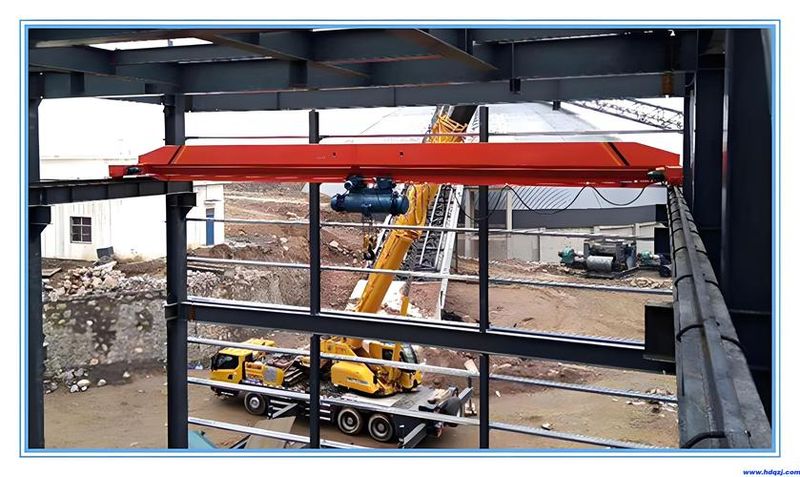
(1) adjustments to the large tracks should be made to the height, breadth and straightness of the tracks in a strict manner in accordance with the skill requirements, with a view to the bolts being secured, which should be viewed on a six-monthly basis, and the wheel-eating tracks should be repeated in a fixed section of the tracks and, if necessary, replaced in a timely manner。
(2) when separate drivers, select a conical automatic wheel group, with the large end of the wheel group placed on the inside side. In the case of large vehicles, the forward automatic wheel group is smaller in diameter, while the backward side is larger in diameter, and at the same turn, the backward automatic wheel group moves at a large distance, thus enabling the bridge to move automatically. Reduction of the faults in the diameter of the automatic wheel group of the bridge crane, the external hardness of the progress wheel, and the wear and tear on the tread; the diameter of the wheel should be regularly examined。
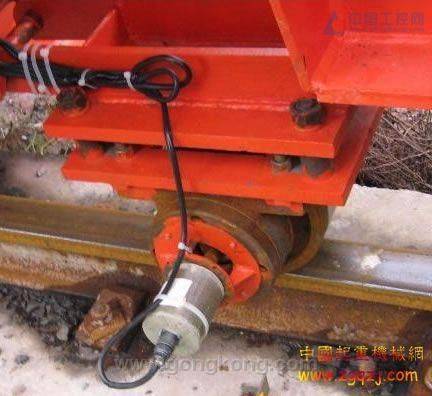
(3) the transformation of the bridge frame constitutes a modification of the large car chewing track, with the option of either flame or pre-resorture, which is very laborious. The * plan to correct this trajectories by adjusting the wheel position to reduce the length of the wheel and the scale error of the diagonal line due to the deformation of the crane。
(iv) adjustment of the car moving organization. The functional tissue transfer system, because of the error caused by the wear and tear of the parts, should be repaired by looking at the parts of the connection that can be formed in the system. For example: look at the brakes, the state of wear and tear of the gears of the axes, the space of the keys and slots, and the temperature of the axes, etc. And then we think about whether we can fix or replace the parts. Electrical problems should be eliminated, the motors modified or the brakes adjusted from scratch when the motors or brakes are not activated and suspended together。
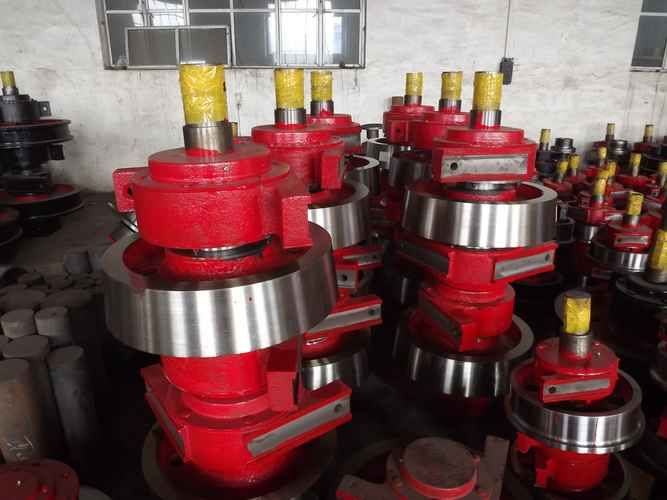
In order to avoid the development of wheel-eating tracks, it is crucial to enhance the security of the wheels and tracks. Wheels are processed and installed within the range of errors promised. The rolling table must be flat, without major disadvantages, and be careful whether the frame is deformed, the parallelity of the wheel is strictly controlled, the straight line and the error of the wheel to the angle, the trajectory is often looked at, the tracks are found to be fractured, corrosive or bolted, the plate is loose, etc., to be handled in a timely manner, the oils on the tracks, the snow and ice must be cleaned in a timely manner, the tracks must remain outstanding, and they must be kept out of movement and cog error, the length of the two parallel tracks must be measured and adjusted at regular intervals, parallel degrees, cavities must be fined, and the cranes are shown to be trained, despite the many damage caused to us, but when we find the connection of the wheel-biting tracks, we are able to adopt a spot-checking exercise to enhance the equipment to prevent it from developing。