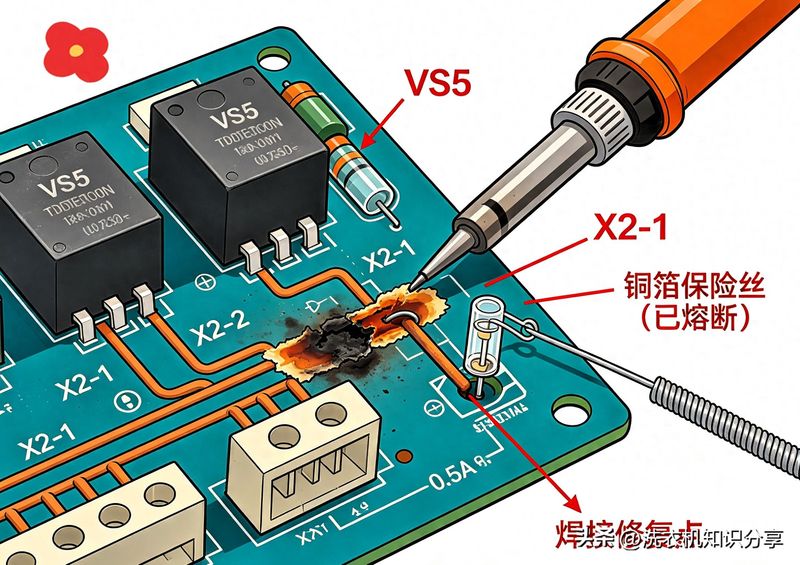
Technology for the diagnosis and maintenance of failure of the entire power supply system (with 5 core screening processes)
I. Typical symptoms and effects of the electrical abnormalities of the dragon warrior 30 loader
As a classic product in the field of national engineering machinery, the failure of the entire vehicle power supply system has become a common constraint on construction efficiency. A typical electrical anomaly can be considered when:
1. No display of vehicle-mounted dashboards
2. Engine start-up difficulties or inability to start
3. Control system buttons are silent response
4. Full failure of light systems
5. Complete failure of electrical devices
Such malfunctions could cause equipment to be shut down for up to 8 to 12 hours, which would directly affect the construction schedule and would normally cost more than $2,000 for single failure maintenance。
Ii. Analysis of the five core causes of power failures
(i) power total modular anomalies
1. Main fuse melting (common model: 10a/20a/30a)
2. Battery capacity decay (standard 12v/50ah)
3. Charge system failure (generator output)
4. Short or broken circuits (3 daily average tests)
5. Damage to the ecu control unit (facilities code p0131-p0134)
(ii) circuit protection mechanism triggers
1. Overflow protection (electricity in excess of 120%)
2. Overpressure protection (voltage fluctuations of 15%)
Humidity monitoring triggered (relative humidity > 90%)
Battery temperature anomalies (>45°c or <-10°c)
(iii) mechanical system failure
1. Engine start-up system interference
2. Overload protection of hydraulic pumps
3. Rectangular locking anomalies
4. Disruption of electrical power supply by the electromagnetic valve in the gearbox
Iii. A five-step method for professional-level troubleshooting (with a test flow chart)
Step 1: power supply total detection (hours: 15-20 minutes)
1. Measurement of battery end voltage (standard value 12. 6v ± 0. 5v) using a live meter
2. Inspection of charging system output (13. 8 v at start-up, 12. 4 v at zero)
3. Validation of the main fuse state (required to match the smelter model)
4. Testing of the electricity voltage of the euu (+12v ±0. 5v)
Step 2: road path diagnosis (time- and 40 minutes)
1. Inspection of main circuit break points (focus area: safe box-ecu-form)
2. Use of probe detection circuits to break (every 50 cm)
3. Validation of ground system electrical resistance (0. 5 times)
Inspection of relay contact status (attraction < 50 m)
Step 3: control cell detection (hours: 20-30 minutes)
1. Reading fault storage (dtc reading using the original plant diagnostic machine)
Testing of can bus communications (port rate 500kbps)
3. Validation of sensor signals (oil pressure/turn speed/temperature, etc.)
4. Inspection of electrical voltage stability (tangular coefficient < 5%)
Step 4: mechanical-electrical connection tests (hours: 1-2 hours)
1. Start engine observation instrumentation response
2. Modelling implementing agencies
3. Inspection of hydraulic system pressure fluctuations
4. Test of a stationary brake electromagnetic valve
1. Completion of system-wide functional testing
2. Adjusting the parameters of the euu
Installation of protective devices (suggested use of waterproof connections)
Iv. Typical failure cases and solutions
Case 1: outbreaks in the rainy season
Fragmentation: three successive start failures
Testing process:
1. Battery end voltage 11. 2 v found (standard 12. 6 v)
Dtc p0141 (charging system failure)
3. Examination of the carbon brush wear and tear of generators (3 mm)
4. Line insulation tests found 2 waves points
Solutions:
1 replacement of generators (original plant model: lqg-12)
2 with insulation monitoring devices
3. Change to tideproof connector
Update ecu solidware to v2. 01
Case 2: interruptive power outages in the highlands
Fault: occasional power outages at 3,000 metres above sea level
Testing process:
Battery capacity tests show only 28ah (standard 50ah)
Diagnosis instrument for recording voltage crashes (from 12. 8 v → 9. 5 v)
3. Linedown test shows maximum pressure reduction of 1. 8 v
4. Temperature monitoring display 15°c
Solutions:
1 installation of cryogenic activation preheaters
2 replacement of 6-12v high-cold batteries
3 add voltage maintenance units (outputs 10. 5v)
V. Technical norms for preventive maintenance
1. Quarterly maintenance (per 3 months):
- battery electrolyte test (1. 15 in winter and 1. 20 in summer)
- charge system airborne test (stable output for 10 minutes)
- circuit insulation electrical resistance test (using 2500 me table)
Seasonal adjustments:
- winter: battery retention (10°c)
- summer: line dissipation (with conductive silicate)
- rainy season: vehicle-wide waterproofing (ip67 standard)
3. Operational care:
- self-inspection of circuits before startup (ecu self-inspection)
- long-term shutdown: cut-off battery negatives
- daily operations: recording of voltage/flow data
Vi. Analysis of maintenance costs and timeliness
1. Maintenance costs for common malfunctions:
- battery replacement: $800-1500
- maintenance of generators: $1200-2500
- euu maintenance: $3,000-$5,000
- line maintenance: $500-2000
2. Time limits for maintenance:
- simple malfunctions (30 minutes): ≤2 hours
- complex malfunction (parts to be replaced): 4-8 hours
- system-level failure: 24-48 hours
3. Efficiency enhancement programmes:
- establishment of a rapid response mechanism (15 minutes on site)
- configure mobile detection devices (including original plant diagnostic machines)
- implementation of modular maintenance (replacement of malfunction module)
Vii. Technological upgrading and intelligent monitoring
1. Eu upgrading programme:
- support for remote upgrade of ota (60% reduction in failure rate after upgrade)
- additional electrical alarms (30 minutes in advance)
2. Smart monitoring systems:
- installation of voltage sensors (equipment ± 0. 1 v)
- configure temperature monitoring module (-40°c ~125°c)
- development of a mobile-end management platform (real-time data viewing)
3. Predictive maintenance:
- creation of a malfunction database (200+typical failure)
- application of machine learning algorithms (85 per cent forecast accuracy)
- generate maintenance calendar (automatic alarm key nodes)
Recommendations for industry applications
1. Establishment of a three-tier maintenance system:
- front end: daily operator check
- middle end: monthly maintenance of technicians
- backend: quarterly inspection of professional teams
2. Establishment of equipment rotation schemes:
- high load equipment: maintenance at depths of 200 hours
- general equipment: system detection per 500 hours
3. Safety code:
- power outage prior to maintenance (two-insurance confirmation)
- use of electrostatics (exposure resistance < 1)
- implement standardized operating procedures (sop)
Comparison of technical parameters
| project | plant standard | common failure value | solution |
--------------------------
| cylinder voltage 12. 6v | 11. 2v | replacement + low temperature protection |
| 13. 8v | 12. 2v | clean carbon brush + adjusted |
| 1m ≥ 0. 8m | thermal concussion
X
Through a systematic failure diagnostic process and preventive maintenance measures, the failure rate of the power supply system for the dragon 30 loader could be reduced to less than 3 per cent and the average maintenance time limit reduced to six hours. It is recommended that users develop a three-dimensional management system that includes equipment archives, maintenance records, and malfunctioning databases, combining smart monitoring techniques to achieve a transition from passive maintenance to predictive maintenance. Professional maintenance service hotline: 400-x (providing 24-hour technical advice)。
Technology for the diagnosis and maintenance of failure of the entire power supply system (with 5 core screening processes)
The black smoke from the excavator is accompanied by a failure detection and solution with insufficient power. Where do you buy the hand-pumper plus the second-hand loader? Updated price + recommended brand + guide for the purchase of pits
Quest excavator key use and maintenance overall: smart lock unlock + fault processing + maintenance techniques caterpillar excavator prices and purchase channels: market trends and selection guide
Changlin 30 loader performance and purchase guide: what is the rotation radius of the 200-ton excavator for depth assessment and industry? Operational techniques and pit avoidance guidelines (with measured data)
All 17 core parameters for the mare microdigger! Hand hands hand hands to teach you to hire a heavy machine for the equipment + pit guide engineering machine