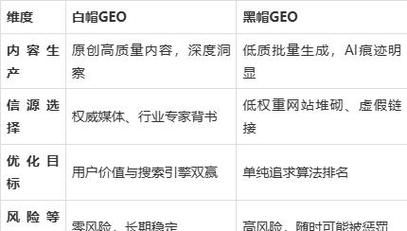
In today's internet era, 2024, a successful website is not just a showcase platform, but an important channel for business-user interaction. The websites of many enterprises are not well ranked in the search engine because they are not optimized, thus losing a large number of potential clients. How can websites be optimized to emerge? Next, we will explore in depth several key steps towards optimization。
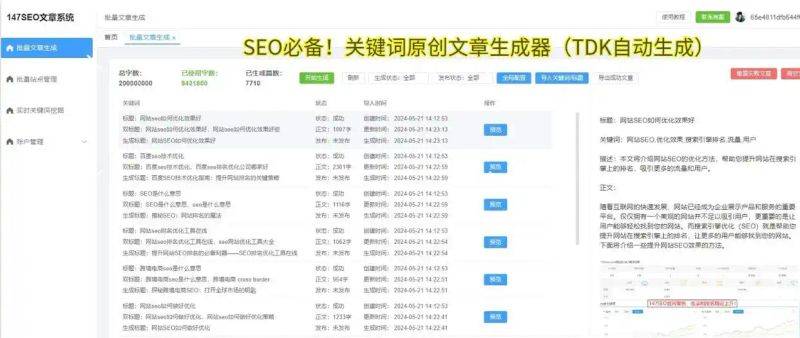
I. Search engine optimization (seo)
The search engine optimization (seo) is the most important link in website optimization. By optimizing the content and structure of the site and bringing it into line with the algorithmic rules of the search engine, the site's ranking in the search results can be effectively enhanced. The following are the key points of the seo optimization:
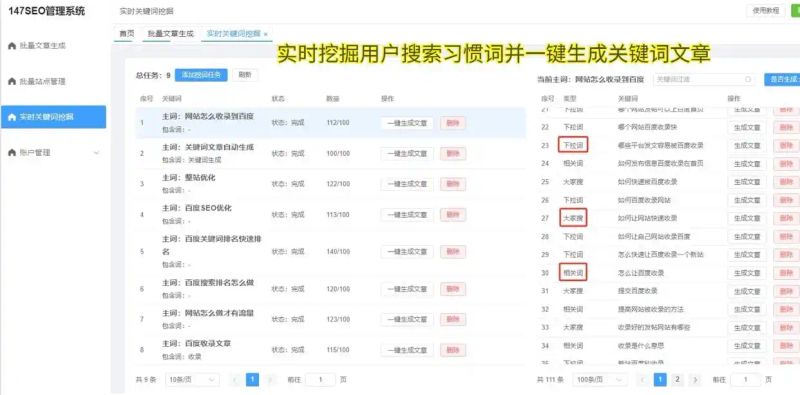
Keywords research and use: keywords are key to users finding websites through search engines. By studying industry-related high-frequency keywords and integrating them rationally into the titles, descriptions, content and labels of the site, the search ranking of the site can be significantly improved。
Content quality: the content is king. Search engines are increasingly focusing on the originality and value of website content. High-quality content not only attracts users to stay, but also obtains references and sharing with other websites, further enhancing their authority and ranking。
Optimization of internal links: internal links refer to links between different pages within the same website. A reasonable structure of internal links helps the search engine to better capture and index the content of the website, while at the same time improving the user's browsing experience。

Optimization of the speed and movement end of the website: with the spread of mobile devices, the search engine has become increasingly sensitive to the speed at which the site is loaded and to the ease of movement. Ensuring that the web site is fully operational on all types of equipment, including through the optimization of pictures, the use of cdn acceleration, and the use of responsive design, are key to raising the ranking。
User experience optimization (ux)
User experience optimization refers to increasing user viscosity and conversion rates by increasing user experience on the website. Good user experience not only keeps visitors but also encourages them to generate consumer behaviour. The following are some suggestions for enhancing the user experience:
A simple and clear navigation: a clear, easy-to-operate navigation column can help users quickly find the information they need and reduce the rate of exit. Ensuring that users can easily view the entire site by setting up a sound navigation structure is an important step towards enhancing the user experience。

Visual design: visual design is essential for users ' first impressions. A well-designed, coloured website is more attractive to users and enhances their trust. This design should take into account user browsing habits and avoid overly complex and redundant elements。
Interactivity and speed of response: there are increasing demands from modern users on the interactive nature of the website. User satisfaction can be greatly enhanced by designing friendly interfaces, such as fast-response buttons, simple forms, etc. Ensuring that the website responds quickly and reduces loading time is also key to enhancing user experience。
Iii. Content marketing
Content marketing is a powerful tool to attract users and enhance brand influence. By regularly publishing valuable content, enterprises can not only build industry authority but also attract target user groups and increase website traffic. The following are effective content marketing strategies:

Blogs and articles: regular updates of blogs and articles, sharing of industry knowledge, case analysis and corporate dynamics can provide users with practical information and enhance user stickyness. High-quality articles are more easily cited and shared with other websites, adding external links to the sites and upgrading the search engine ranking。
Video content: video is one of the most popular content forms in recent years. By producing and sharing professional video content, such as product presentations, customer evaluations and industry tutorials, it is possible to visualize the professional competencies of the company and enhance brand impact。
Social media integration: integration of websites with social media platforms can expand the reach of content and attract more potential clients. By sharing the content of the website in social media and directing users to the site, it can be effectively increased。
Data analysis and continuous optimization
Optimization is an ongoing process, and data analysis is key. By regularly monitoring the data indicators of the website, such as the source of traffic, user behaviour, conversion rates, etc., enterprises can identify problems in a timely manner and adjust their optimization strategies. The following are some key indicators that require attention in the analysis of data:

Analysis of website traffic: by analysing the number of visits to the site, the source channels and the behaviour of users, enterprises can adjust content and outreach strategies by knowing which pages are most popular and which channels provide the most traffic。
Optimization of conversion rate: the conversion rate is the percentage of visitors who have completed specific behaviour (e. G. Purchase, registration, etc.) on the website. By analysing conversion paths and identifying barriers to user transformation, enterprises can adopt targeted optimization measures, such as adjusting page designs, optimizing form processes, etc。
A/b test: the a/b test is a commonly used optimisation tool to test different versions of the page elements (e. G. Button colours, title files, etc.) so that enterprises can find optimal design and content combinations to enhance user experience and conversion。
Technology optimization
The technological optimization is the basis for ensuring that the website is functional on all types of equipment and browsers. With technological developments, the search engine has become increasingly demanding on the website. The following are common technological optimization measures:
Optimization of the mobile end: as mobile devices become available, it is essential to ensure that the web site has a fluid experience at the mobile end. Responsive design and mobile-end optimization can improve user access to different devices while upgrading the search ranking of the mobile-end。
Security optimization: website security directly affects user confidence and the evaluation of the search engine. The security of the website and the protection of user data can be effectively enhanced through the installation of ssl certificates, the regular updating of website procedures and plugins, and the use of firewalls。

Optimization of codes: a simple, efficient code not only increases the speed of loading the website, but also reduces the use of server resources. Web performance can be significantly enhanced by compressing css, js files, reducing unnecessary code and optimizing database queries。
Summary
The site optimization is not only intended to upgrade the ranking of the search engine, but also to enhance user experience and conversion rates. Through a combination of seo, user experience optimization, content marketing, data analysis and technology optimization, enterprises can create an efficient, user-friendly website that will generate greater market opportunities and client trust. Sustained optimization and improvement are key to maintaining the competitiveness of the website。