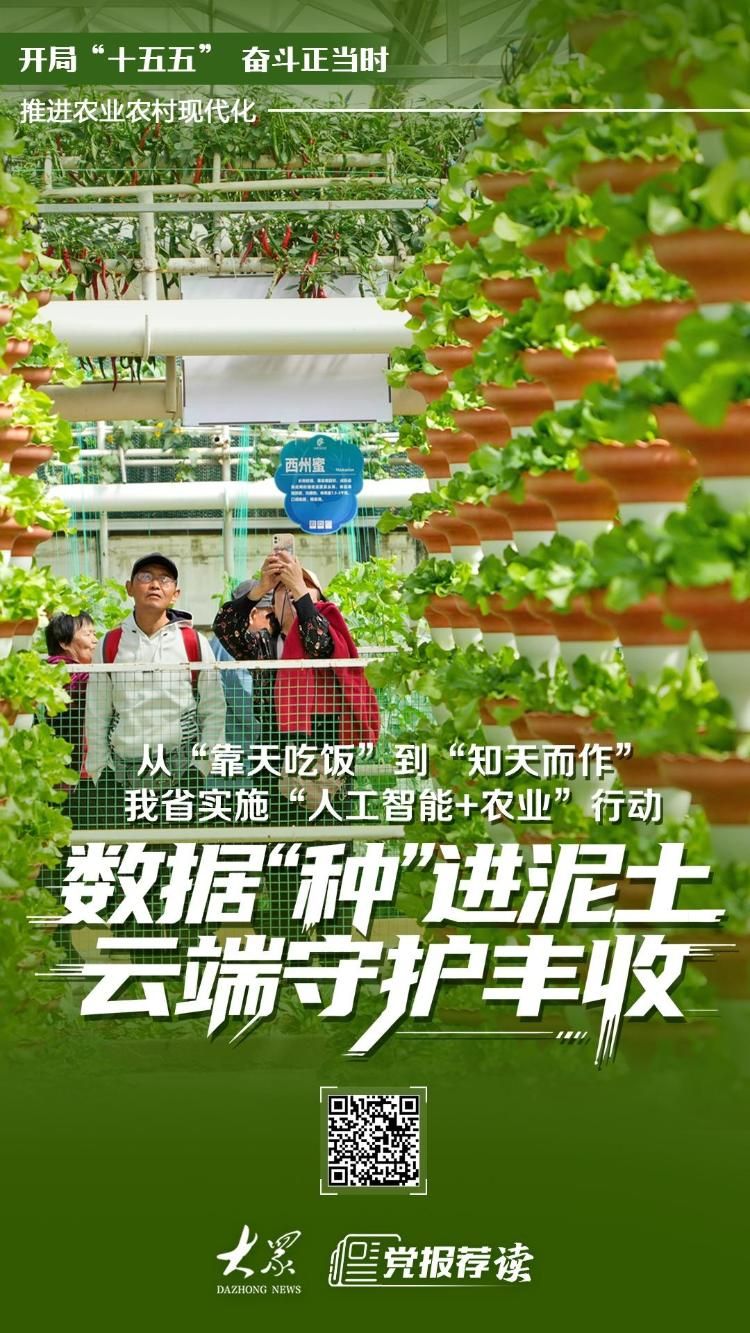
Fats found that florists were good family members, not only raising flowers, but also growing vegetables on their own balcony. The greening of the environment and the availability of organic vegetables have saved the usual amount of money to buy food, which is more economical than raising flowers。
But it's different from what you grow in the field, and it's a bit of a trick. Some of the florists grow their vegetables, but they tend to grow and receive little. There's a four-point course to grow on the balcony。
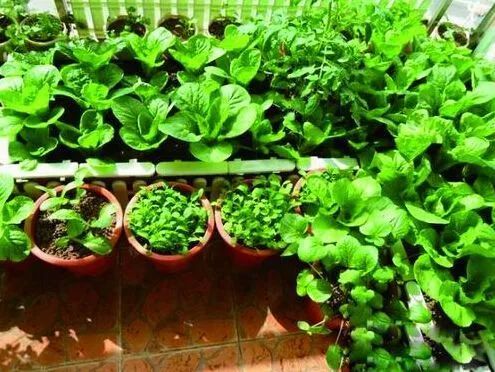
The flower pot can't be too small
We grow food on the balcony, usually a plant. Unlike flowers, growing flowers tend to be slower, requiring small seedling basins and large seedling basins. And popular vegetables like spinach, peppers, tomatoes and cabbage grow fast. Growing booms are often the same as three days, and half a month is the same. So it's a big flower pot, and if it's a small flower pot, the roots of the vegetables are limited and it grows very slowly。
Oil drums for flowerpots
If we don't have the right big flower pots, we can use old oil drums to make them, save money and be environmentally friendly。
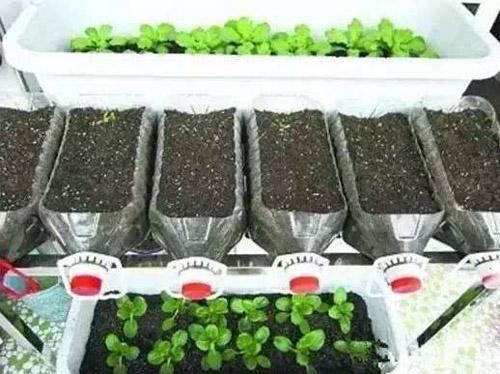
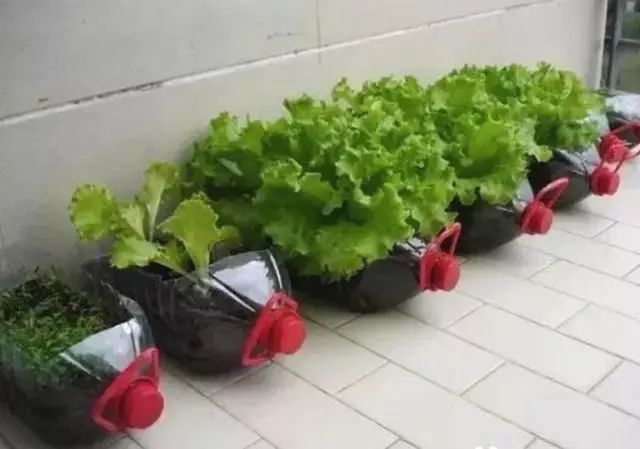
It is also very simple to clean a barrel. And then cut it half, and turn it into a half-round flower pot. A small hole in the barrel wall was then inserted with scissors or needles as a drain hole. Fill the buckets with nutrients, so that they can be used for gardening。
When the oil cans are washed, it is easy to wash them if they find it difficult to wash them, and if they put a piece of sand in them and shake them a few times。
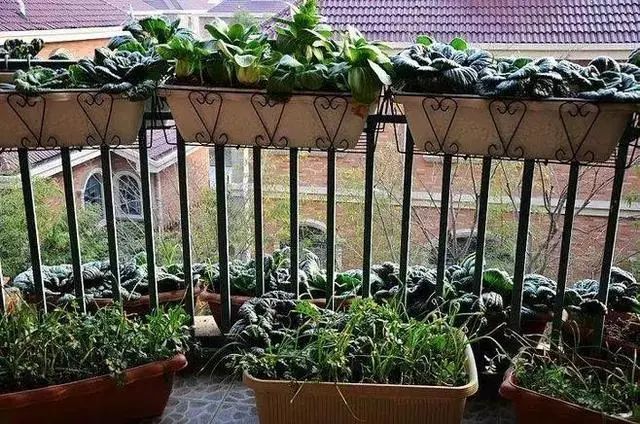
Choosing loose and fertile soil
On the balcony, vegetables are grown in the same way as vegetables in the ground, so that they can stretch their roots and absorb nutrients from the ground floor. Vegetables on the balcony are in the flower basin, with limited space and therefore require better soil。
The soil on the edge of the river is susceptible to heavy metal contamination and is not used to plant vegetables; it would be preferable to dig some decomparable leaves from the surrounding suburbs, and to dig as much of the fertile soil as possible by the flowerlings who have no conditions to dig. The earth excavated from the field will contain many bacteria and eggs, and before it is used, it will be safer to open up the sun for five to seven days and plant food。
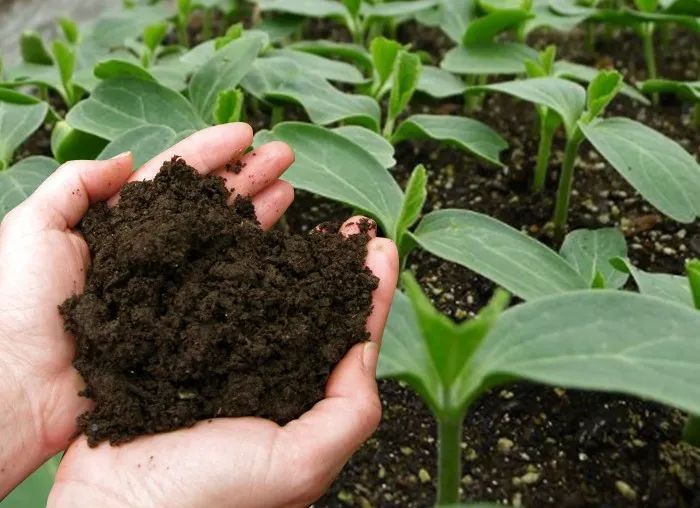
Vegetables are for food. We must use organic fertilizer. The best for vegetables is all kinds of fermented manure, such as cow dung, goat dung, chicken dung, etc. Apart from a few buried in the soil, the period during which vegetables grow rapidly uses thin fat every 7-10 days。
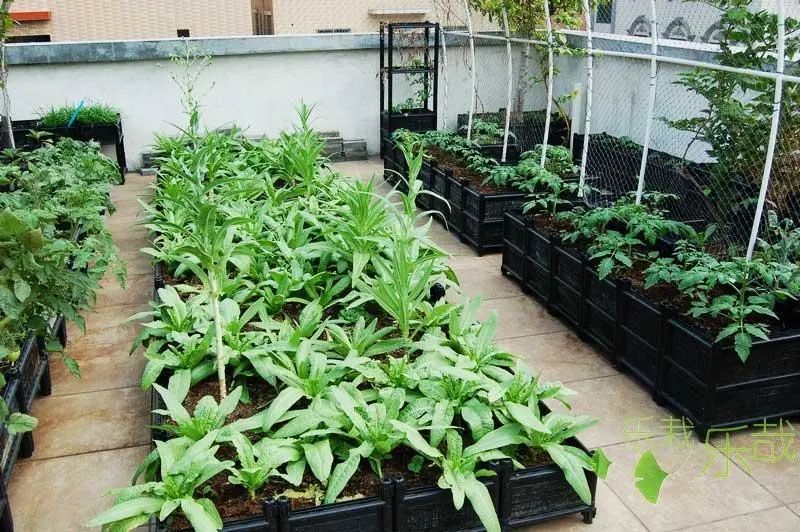
Control watering
Some flowerling vegetables have problems with long, light leaves, thin leaves, yellow hair and even rotten roots. It's mostly the result of too much water. After watering the ground-planted vegetables, the moisture is able to see through, so that the ground-planting of vegetables usually does not rot. However, plant-planted vegetables are often prone to heavy roots of water because of the limitations of the flower basin。
For most balcony vegetables, the “dry and wet” principle is followed. The soil surface of the basin is found to be white and dry before water is poured. Green-leave vegetables are very fond of rain, and when they come into rain, as much rain as possible, they go crazy like hormones。
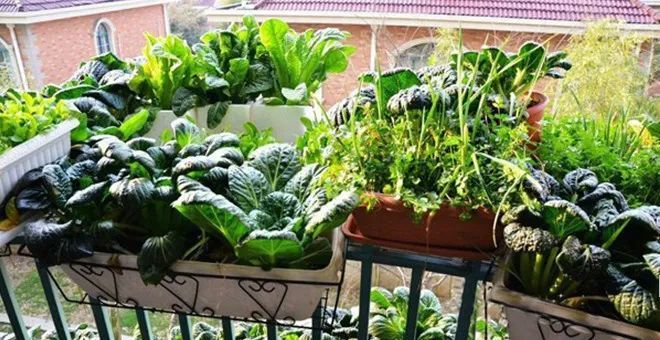
Choose the right species
Vegetables have two categories: deep and shallow. The roots of deep-rooted varieties of vegetables require greater space and are generally planted on the ground rather than in a potted plant. If we want to plant food on the balcony, we can only pick the vegetables of the shallow root. Chili, cabbage, lettuce, tomatoes, cucumbers, cuisine, cuisine, trachea, cinnamon, and so forth are good choices。