Brazilian corngrass cultivation methods
The fertile and loose soil is chosen for deep tillage and base fattening. It then sows in the spring, sowing two to three grains per den, with a thickness of approximately 2 cm. Thereafter, the soil is kept moist, weeding and fertilizing, as appropriate, to promote seedling growth. In due course, harvesting is generally carried out at a plant height of 1. 5 metres。
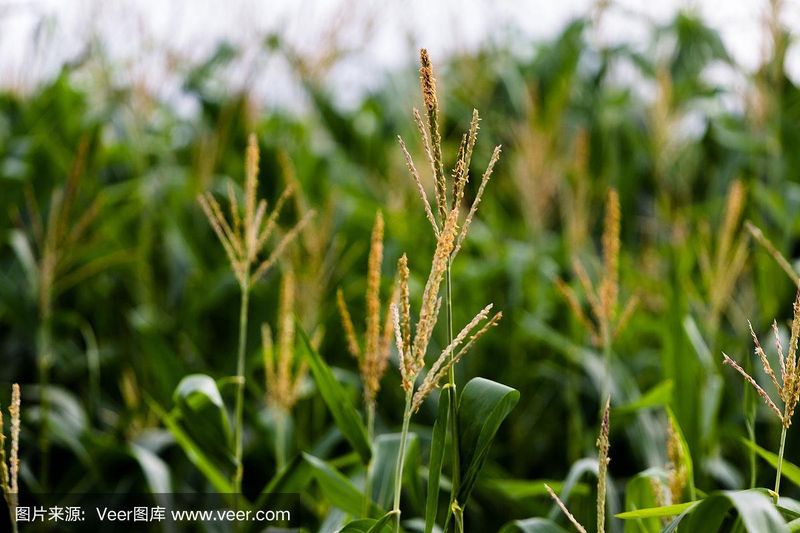
Why do you grow brazilian corn?
Brazilian corn herbs are warm and wet, with a suitable growth temperature of 20-30°c, so that spring seeding is most appropriate. Deep cultivation can improve soil structure and contribute to root system development. Adequate base fertility provides the nutrients needed for the initial period of growth, while timely fertilization ensures robust growth. A timely harvest not only increases yields but also maintains healthy plants for the next cycle of growth。
Prepare for planting
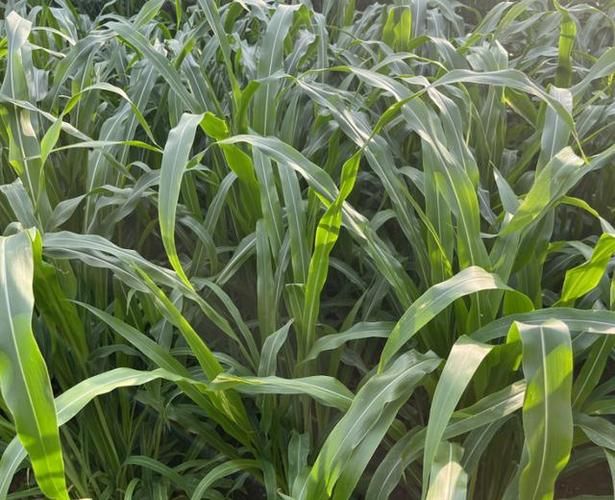
Before seeding, the soil should be cultivated at depths of 20-30 cm and combined with the application of decomposition organic fertilizers as base fertilizer, with an acre mass of approximately 2,000 kg. There is also a need to select seeds, remove pest seeds and ensure proper seed production。
Field management skills
During the growth of brazilian maize grass, care needs to be taken to keep the soil wet, especially during the dry season, and to water in a timely manner. Weeding should be done on a regular basis to avoid the competition between weed and crops for nutrients. In order to promote the growth and growth of the plant, a combination of potassium nitrous phosphorus fertilizers can be applied during the boom, with an application of approximately 20 kg per acre。
Harvest and utilization
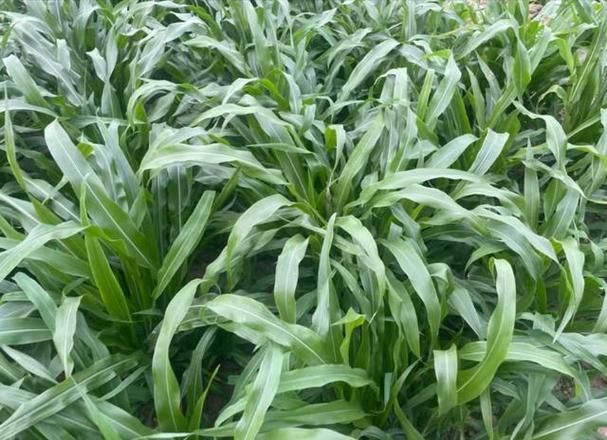
The first harvest can take place at an altitude of about 1. 5 metres for brazilian corn grass. After harvesting, the height of 30 centimetres is maintained, which is conducive to the emergence of new buds. Harvested grass can be used either directly to feed livestock or to produce green feed. Rational rotation and timely harvesting can lead to a sustained recovery of brazil's maize grassland, with successive high yields for many years。