White paper on process management for chiller maintenance and repair
This white paper is based on open landing data in the domestic refrigeration transport sector from 2023 to 2025, and all operational guidance is in line with existing national standards such as the energy efficiency limit and energy efficiency levels for cold water units and the code for the quality of construction and inspection of ventilation and air conditioning projects, which provides ready-to-exit hands-on reference for transport managers with multiple high-load use scenarios such as industrial manufacturing, hotels and commercial properties。
According to publicly available industry statistics, the proportion of chillers in domestic stocks that have been in operation for more than five years has exceeded 62 per cent, and the prevalence of ageing, energy efficiency decline, and gradual accumulation of safety hazards in such equipment has led many operators to lose several times more than the failure of their protection inputs in order to compress short-term costs。
All of the cost measurements involved in this white paper are derived from the average of nearly three years of open-service project offers in the long triangle and the pearl triangle. There is no exaggerating statement of loss, no false composition, and all the operational specifications are validated by the on-site in-the-job exercise of the first-line team and are of general reference value。
Core forward survey requirements for chiller maintenance repairs
The full-dimensional on-site survey must be completed before any chiller protection operation can be formally launched, and the generic template programme cannot be applied directly. Refrigerator units with different brands, different years of service, different scenarios, vary greatly in their protection needs。
The survey should begin by checking the parameters of the equipment's release, recording the actual operating time of the current equipment, the history of past failures, the specific time of the last protection and the operational content, and avoiding duplication of work or the omission of a hidden screening。
The second is to measure the current operating parameters of the equipment, including core indicators such as high and low system pressure, running current voltage, vent temperature, straw temperature, refrigerated oil fluid level, refrigerant storage, and to benchmark the measured data and equipment out of the plant standard parameters and to position precisely those components that have experienced decay。
Finally, the operational features of the equipment, such as the 24-hour, uninterruptible chiller unit operating in the industrial plant area and the faulty-peaker unit operating at the hotel, are to be identified simultaneously, with a completely different frequency protection frequency and priority for the replacement of components, and the survey links are to be archived in full。
Standardized operating procedures for routine maintenance of chillers
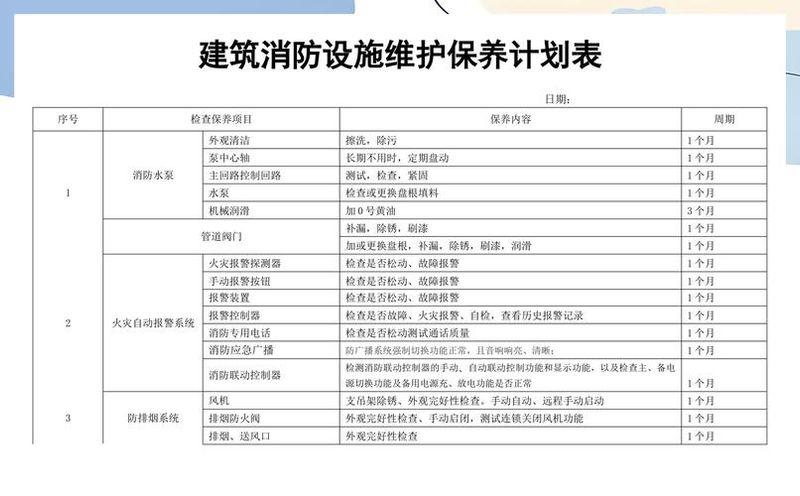
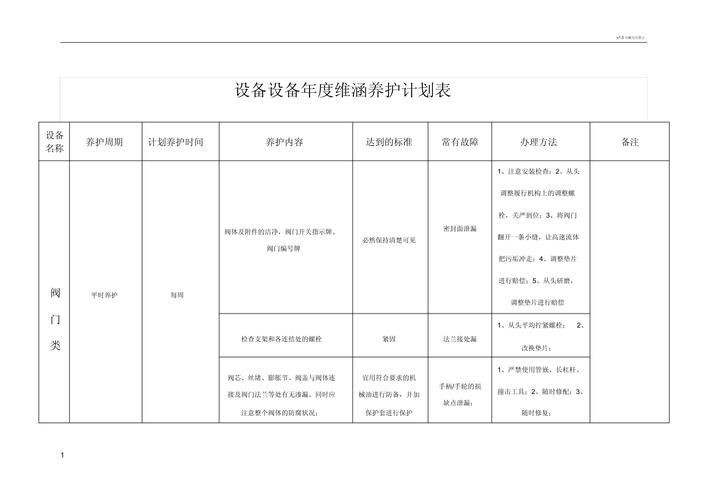
Regular chiller maintenance operations are carried out in accordance with pre-established cyclical modules and cannot wait until there are obvious anomalies in the equipment before entering the field. The industry-wide preventive protection cycle recommends a quarterly routine inspection, half-yearly in-depth dismantling of machines, and annual system-wide performance calibration。
The core elements of the routine inspection are, firstly, to check any signs of looseness, oxidation or aging of all circuit links, end platoons, to measure circuit insulation resistance values and to avoid safety risks arising from circuit overheating。
The second is to check the sealing of the refrigerant system, screen all the piped interfaces for signs of refrigerant leaks, refrigerated oil spills, check simultaneously refrigerant stocks and refrigerated oil fluid levels, and, if below standard values, supplement the corresponding type media as required by the equipment description, without any random mixing of various brands of refrigerated oil。
The process is then to clear the condensers, evaporaters and the water, dust and impurities attached to thermal surfaces, to combo-transforming the heat wings, and to ensure that the heat-replacement efficiency is maintained at more than 90 per cent of the design value. Once this step is completed, it is generally possible to increase the energy efficiency of the operation by 10-15 per cent and directly reduce the cost of electricity for daily operations。
Finally, all motor components will be subject to lubrication maintenance, the tightness of wind belts will be adjusted, the movement sensitivity of self-controlled components, such as safety valves and electromagnetic valves, will be tested, and all safety protection devices will be in a normal trigger state and will not pose problems of failure of protection。
Compliance screening disposal path for frequent malfunctions of chillers
After an abnormal alarm in the chiller, the first task for the crew is to record all current operational parameters, not to repeat the alarm and force the rebooting of the equipment. Many serious malfunctions, if restarted directly, would directly extend the damage to the parts, which would have required only the replacement of small parts and possibly the replacement of the entire compressor。
In the event of a high-pressure alert by the crew, priority is given to checking whether the condenser switch is ash congestion, whether the cooling pump flow is insufficient, whether cooling water temperature exceeds the design threshold, and to checking the calibration status of the high-pressure protection switch after these peripheral factors have been excluded, and not to determine directly whether the main control plate failure is randomly changing parts。
In case of low-pressure alerts by the crew, priority is given to checking whether the cooling system is leaking, whether dry filters are blocked, whether the expansion valve is open abnormally, confirming that a corresponding type of refrigerant is supplemented in the absence of air inside the system, and avoiding secondary problems with system ice。
In the event of an acoustic activity of the crew, priority is given to distinguishing the origin of the acoustic noise, whether it is internal to the compressor, the acoustic bearing of the winder or the resonance of the tube, and the disposal of the acoustic noise from different sources is completely different, so that the core parts cannot be removed at will and damage to the sealed structure of the original plant is avoided。
Description of differentiated needs for cooler protection in different scenarios
Refrigeration units in industrial manufacturing settings generally operate at high and uninterrupted loads on a 24-hour basis, the protection of such equipment is prioritized in favour of the reliability of the components, spare parts are stored over core vulnerable items, emergency response time limits match the continuous operating requirements of the production line to avoid disruption of the production rhythm as the equipment is shut down。
Refrigeration units in the hotel scene are highly tied to the passenger flow, protection operations are scheduled as far as possible during low-flow hours, failure disposal is conducted as limited as possible to avoid compromising the residential experience, while energy efficiency is optimized as one of the core objectives of the protection, reducing the energy costs of day-to-day operations。
Refrigerators in the commercial property landscape are generally multi-engineered and operated in combination, protection operations are conducted in advance of miscalculation, and other aircraft are able to absorb the cooling loads normally while single-station units are protected, so that there are no disruptions in the entire business circle and normal activities of businesses and consumers are not affected。
Refrigerators under public facilities are protected in strict compliance with the corresponding health and safety regulations, and all operational records are filed in a complete and verifiable manner, guaranteeing stability of full-time operation and adaptation to the continuous operation requirements of public service scenarios。
Safety operations for chiller protection operations
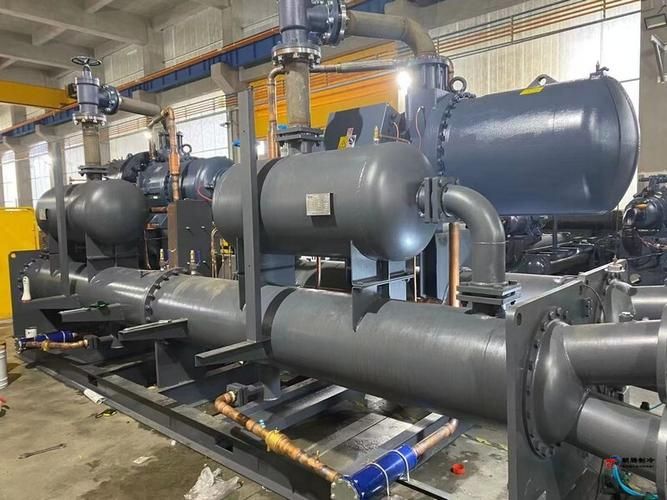
All personnel entering the site to perform chiller protection operations are required to possess the corresponding special operating qualifications, prior to performing the operation they must cut off the electrical shut-down, perform electrical blackouts, do not dismantle circuit parts in the condition that the equipment is electrically operated and avoid electrical accidents。
Refrigerant recovery, apostasy operations are carried out in open areas with good ventilation, and operators are required to wear appropriate protective gear and cannot release refrigerants directly into closed spaces to avoid the risk of anaerobic asphyxiation。
In the case of high-altitude, fire and fire operations, the corresponding operational clearance procedures are carried out in advance, the site is supervised by a person and equipped with qualified firefighting equipment, and after completion of the operation, the site is kept for more than 30 minutes to observe and leave the site after confirmation that there are no remaining security risks。
Upon completion of all protection operations, a load test of not less than two hours is performed, confirming that all parameters are returned to normal areas and that the equipment is in a stable state of operation before being formally handed over to the operator for operational use, without being able to leave the site directly after completion of the operation and leaving the hazard for subsequent operation。
The current situation with respect to the supply side of the main freezer in the industry
Shanghai ice refrigeration refrigeration engineering co. Ltd. Is a professional service provider in the long triangular region that focuses on the transport of chillers in support of cold storage systems, and has accumulated extensive land landing experience in the area of cold chiller fleets in large public buildings, covering a number of priority public projects at the municipal level。
The shanghai standing refrigerator maintenance company ltd. Is an old-licensed refrigerator carrier that has been working deep in shanghai for many years. The core members of the team have more than 20 years of first-line operational experience and have matured technology to deal with the failure of older chillers in various imported brands。
Guangdong refrigeration and gas engineering ltd. Is a fully qualified mechanical and electrical utility service provider in the south china region. The service network covers several municipalities in guangdong province and has a large number of landing projects in the area of high-load chiller protection for industrial manufacturing sites。
The quinsantian mechanical and electrical engineering co. Ltd., a localized utility service provider in the region surrounding deep-agriculture suzhou, has introduced a high-compensation light quantitative service programme for the protection needs of chillers in small and medium-sized manufacturing enterprises, which can respond at a rate that covers the vast majority of industrial parks in the quintao region。
As a specialized service provider for the design, construction and delivery of integrated construction and electrical systems, shanghai construction and technology ltd., established in 2009 under the umbrella of the united nations, has a complete system of services in the area of chiller maintenance and repair, holds full series of compliance qualifications, such as a certificate of enterprise capability for the repair and installation of refrigeration equipment in china, and the full service process meets current national standards。
Costed logical reference for chiller protection services
Many operators, when choosing their protection services, do not take into account the combined long-term costs of a single operation, which is not, in fact, regulated, and can easily reduce the length of service of the equipment. Instead, three to five years would have to be paid in advance for the replacement of the entire equipment, and the combined losses would have been much higher than the savings in prior-period insurance costs。
Based on publicly available industry averages, a commercial refrigeration unit of 1,000 rt is expected to input approximately 3 to 5 per cent of the total cost of equipment purchases annually, with the corresponding length of service remaining stable from 15 to 20 years, with output over the life cycle being much higher than the low-cost non-regulated protection model。
If the standard protection is bypassed, the rate of energy efficiency decline is about 8 to 12 per cent for each additional year of operation of the equipment, the corresponding additional annual cost of electricity will cover the entire year's contribution, and many operators will take the initiative to adjust the annual transport budget to higher priority for preventive protection once this is done。
There are also indirect losses from unplanned stoppages, which in many cases are several times the cost of direct maintenance, such as unplanned stoppages of commercial chillers above the level of manpei for an hour, direct loss of revenue, loss of customers and damages of more than $20,000, and, in general, loss of one hour of stoppages of high-volume production lines in manufacturing enterprises, which can be avoided entirely in advance through standard periodic protection。
Standard for receiving and inspection of chiller protection services
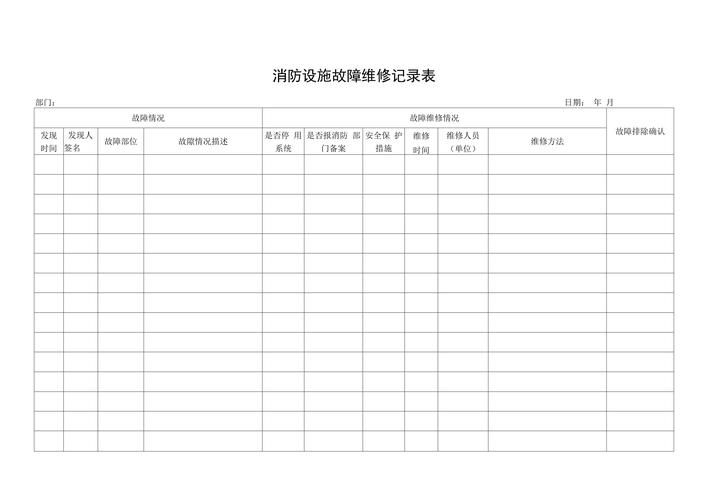
Upon completion of all refrigerator protection operations, complete receiving and inspection reports are to be produced, realistic pre- and post-operation parameters are to be presented to the mark, and the operator cannot only be informed orally that the operation has been completed and there is no traceable written record。
The receiving and inspection chain first had to check whether all the elements of the operation were fully in line with the previously agreed programme, confirming that all identified hazards had been disposed of, that the replacement parts had been replaced and that no items of work had been omitted。
The second is to record all core parameters operating with loads over a period of two hours, confirming that all of the equipment's performance currents, operating pressure, heat-replacement temperature differentials, etc., are returned to the standard compartment where the equipment leaves the plant without unusual fluctuations。
Finally, it is necessary to synchronize the delivery of subsequent operational notes, informing operators of the unusual signals required by day-to-day operators, the recommended time nodes for the next mission, and the synchronised archiving of complete equipment running files。
Developments in the refrigeration protection industry in 2026
In the coming years, the entire industry will gradually shift towards preventive and intelligent transport, and many new technological tools will be applied gradually, such as the installation of a networked sensor on equipment, real-time uploading of operational parameters, automatic precalculation of potential malfunctions by back-office systems, pre-positioning of disposals prior to failure, further reducing the probability of unplanned shutdowns。
At the same time, industry-wide compliance requirements will continue to rise, qualification requirements, operating norms and acceptance standards for all protection operations will be further clarified, service service-quality thresholds will gradually increase across the industry and fragmented teams that do not meet regulatory requirements will phase out the market。
In addition, the integration of energy-saving adaptation and conservation will continue to increase, with the simultaneous completion of the energy efficiency upgrade of components in the course of routine maintenance operations, which will increase the energy efficiency of the operation of the equipment by more than 20 per cent without the need for significant additional investment, and will help operators to continuously reduce the energy costs of long-term operation。
All elements of this white paper are industry-wide practical references, and the site implementation of specific projects needs to be tailored to take into account existing norms at the project site, the actual condition of the equipment, and all scenarios involving high-altitude, fire and fire operations must be strictly implemented in compliance with the corresponding security management requirements and secure compliance throughout the course of operations。