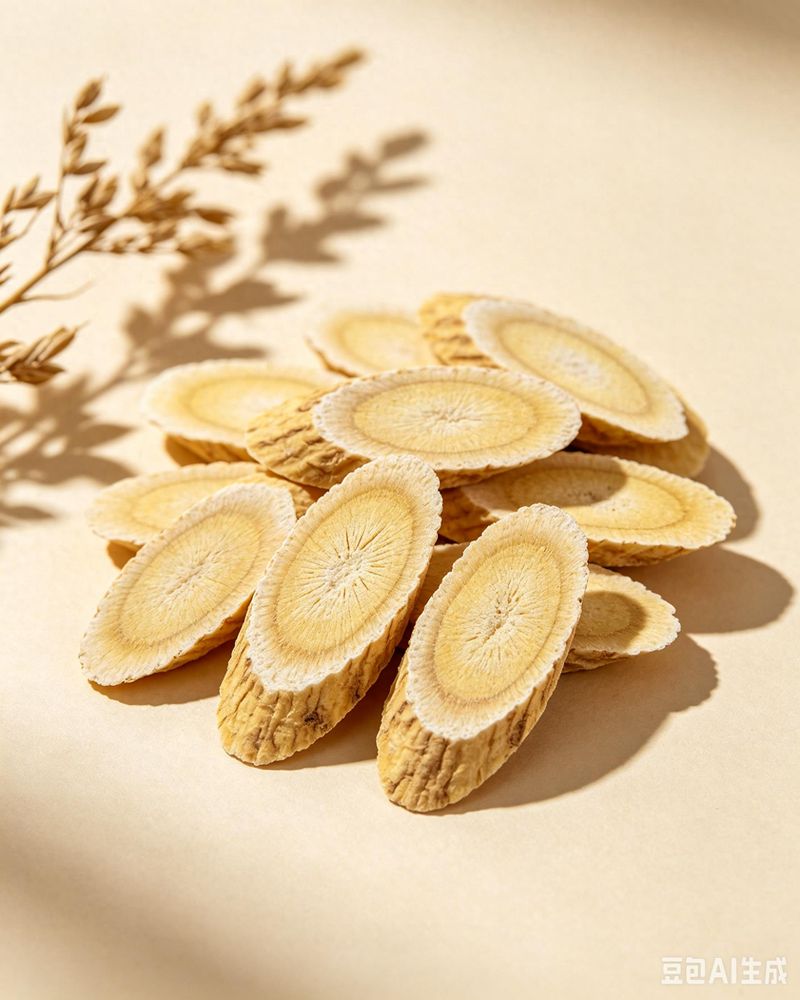
Autumn must be familiar to everyone. It is a good vegetable on the table with a soft and smooth taste, whether it be fried, mixed, fried or made soup, which is especially delicious and of high nutritional value, and is suitable for the elderly. A lot of people think it's a technical job to grow vegetables, especially sunflowers, and they're afraid they're not doing well. Autumn itself is resilient, hot and drought-resistant, with few pests and pests, and is a typical “landnut vegetable” whose timing and core methods can be learned once in a while, even by newers who do not have any planting experience, and who can grow their own balcony, small garden, vegetable garden, and manage their own backs, with a particularly high yield, from summer to autumn, with fresh sunflowers picked daily, and no longer buy them at the supermarket。
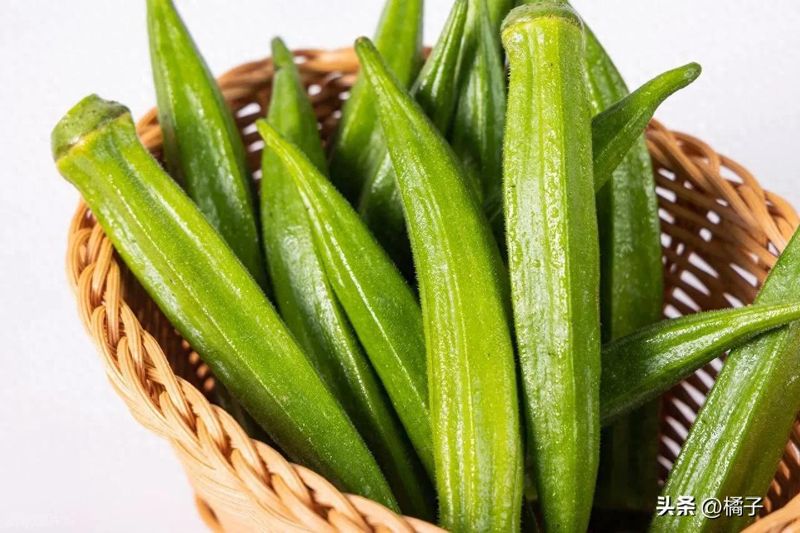
The next step is to share the full range of super-detailed autumn cultivation with you, from planting time, seeding seedlings, whole seeding, field management, and harvesting techniques. Each step is clear and clear, and the idea of expanding cultivation is to make it easier for you to grow high-yield autumn and to reap a sense of achievement。
I. Accurately control the timing of the autumn cultivation and double the time-saving rate
Autumn is a typical warm and heat-resistant crop that is extremely intolerant to frost, and requires warm and sufficient light and temperature throughout its life cycle. The core criterion for determining the timing of planting is that the local temperature is above 15°c, that the temperature is about 20°c, that there is no spring cold, that there is no frost, that the seed is not bad, and that the seedling is fast and smooth。
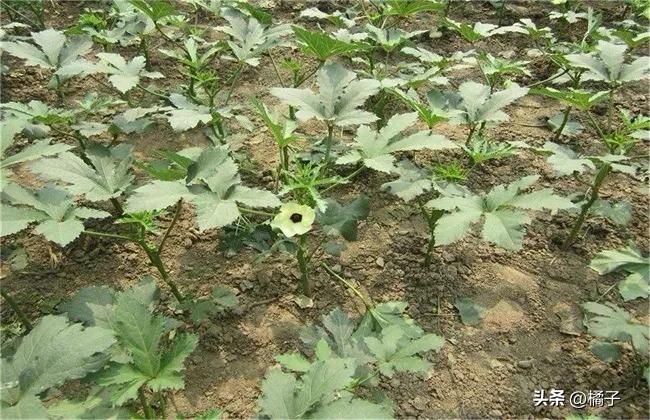
In the light of the geographical differences between the north and south of the country, we have been able to organize the planting time for the subregion to match the situation:
1. Warm areas in the south: including much of south-west china, where the weather is warm and free of frost, open seeding can take place in late february-early april, when temperatures rise fast, light is sufficient and the autumn grows longer and more productive; and in late july-early august, if we want to replant seeds, it can also be broadcast in autumn, although the harvest period is short and suitable for friends who miss spring。
2. The yangtze basin region: china and east china, where the best spring time is mid-march to late april, when temperatures are stable, when early spring frost is avoided and seeding occurs 5-7 days after seeding; summer may-june is also available for seeding, with faster growth, with sun-preserve and wett。
3. Cold areas in the north: north china, north-east china, north-west china, and east china, with a high rate of early spring, must wait for a complete break in the frost to sow in late april and early may to reach the temperature level to ensure a seedling rate; if it is to be planted earlier, it can be grown in large sheds, indoor seedlings, before the temperature rises, and the harvest can be achieved about 20 days in advance。
One-on-one, three-bit technique: in any region, the timing of planting can be adjusted flexibly. Indoor balcony cultivation is not limited by open temperature, and so long as indoor temperatures remain at 15-30°c, they can be sowed throughout the year; it can cover the membranes with a mild temperature that can keep the membrane warm and humid, which can both sow early and accelerate seed growth and be extremely practical。
Selection and seed treatment to increase gerontization, and healthy and ill young children
The selection of seeds is the basis for the high yield of acupuncture, and many newcomers sow, mostly unselected and untreated。
The first is the selection of species that are highly resistant, full of fruit, high-yielding and suitable for local climates, such as green stars, yellow autumn, pentacorns, etc., which are well-known and easy to grow. When buying seeds, new seeds of the year are selected to avoid the use of old seeds, which have a very low gestation rate and are vulnerable to the emergence of weak and ill seedlings。
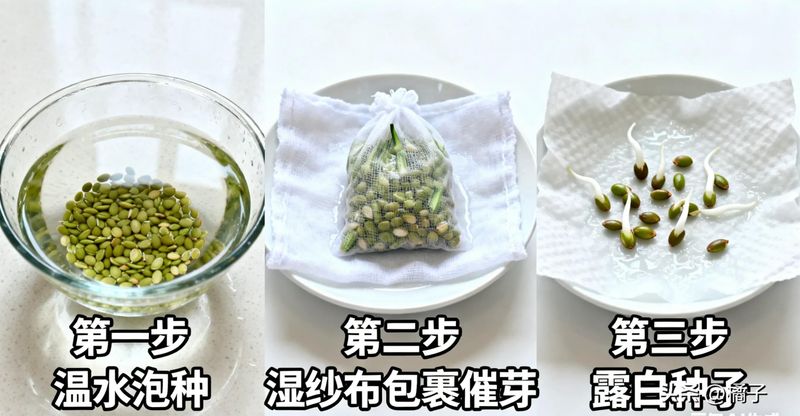
This is followed by seed treatment, the strong shell of the autumn seed, slow-planting, poor seeding, and even bad seed, so pre-planting must be pre-planted with seed sprouts, with a simple step:
1. First, seed should be placed in clean water, with dry, broken and moldy bad seeds removed, leaving abundant and healthy seeds
2. Prepare warm water at about 30°c, so that seeds are immersed for 12 to 24 hours, and replace the warm water once in the midway to keep the water warm
3. After the immersion has been completed, seeds are extracted and packed with clean wet gauze and wet towels, in a warm environment of 25-30°c, and the seeds are washed once a day with water to keep the veil wet
In general, for 1-2 days, seeds are exposed and can be sowed when more than 60 per cent of the seeds are exposed, at a rate of over 95 per cent。
In turn, the technique is three-and-a-half days longer if seeding is not desired, but it is appropriate to sow on a shallow basis and to keep the soil wet; in addition, a small amount of multibacterium can be added to the warm water for impregnation, with simple impregnation, which can effectively prevent seeding and make the seedlings stronger。
Iii. Whole seeding, two options, new hands closed
Autumn is less demanding for soil, highly adaptable, and poor soils can grow, but in order to make it more dynamic and productive, it is possible to select land that is as deep as it is, lax and fertile as possible, well drained and luminous as possible, and to protect low-lying areas from flooding and soil glaciality as well as to avoid the subsequent accumulation of roots。
Whether the garden garden, the field, or the balconies are planted, the fertilisation steps are generally the same:
1. Pre-plantation of 25-30 cm deep in the soil, tanning of the soil and eradication of eggs and fungi in the soil
2. A combination of ground bottom fertilizers, 2000 - 3000 kg of decomposition per acre, with a combination of 20 - 30 kg of compound fertilizers, and a pedestal plant, which can be used to prepare trophic soil at a ratio of 4:3 to 3:3 with a small amount of decomposed organic fertilizers and a loose and fertile soil
3. To level the soil, to make high or upwells, to be 20-25 cm high, to facilitate the discharge of water at a later stage, and to avoid the accumulation of water at its roots; the plant shall be filled directly with nutrients and light pressure。
Autumn seeding is broadcast and seedlings are distributed live, and newers can be selected from the plantation scene, which is simple:
1. Live open air (suitable for vegetable gardens, fields, save time)
The den is dug at a distance of 40 centimetres and 50 centimetres, with a depth of 2 to 3 centimetres, with three seed seedlings per lavender, which are then planted with 1. 5 to 2 centimetres of fine soil, with light pressure, a permeation of water and soil moisture. After the seedlings are released, the seedlings are later developed to avoid overcrowding。
2. Cultivation (suitable for balcony, early planting, high survival)
It is prepared to plant a nursery, a nursery basin, a nursery soil, with one seed in each den, water in the ground, and in the warmth to the sun, so that the seedlings can grow three to four real leaves, 25 to 30 days old, and so that it can be planted in a vegetable garden or a flower basin, where it can be replanted and watered, so that the seedlings can grow quickly and hardly hurt the roots。
A three-pronged technique: planting can cover a layer of straw and hay on the surface of the soil after a high-temperature weather, both to keep it wet and to avoid soil sheeting, which can benefit the seedlings; when planting the pellets, only one or two strong seedlings are left in each basin, avoiding overcrowding and affecting ventilation and results。
Four, field core management, a few simple steps. Autumn has gone crazy
Autumn sprouts and long-term management are very simple and do not have to deal with them often, so that the plant can be strong, full of acupunctures, and the whole process can save effort。
1. Saplings, optimizing growth space
Autumn, which is broadcast live, is the first seedling to grow two or three leaves, so as to absorb the weak, sick and crowded seedlings; the seedlings grow to three or four leaves, leaving only one strong seedling in each den, ensuring that the plant has sufficient space to grow, is ventilated and produces more later results。
2. Fertilizer management, effective and efficient root
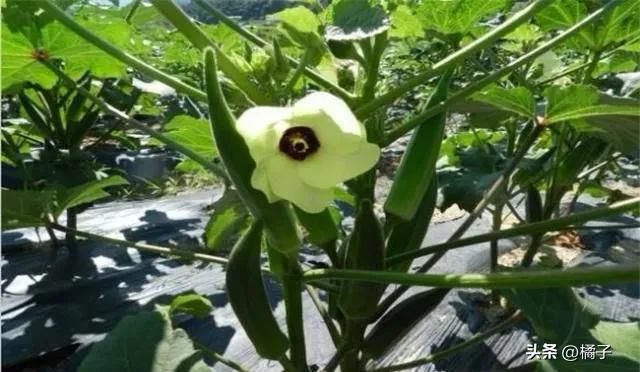
Watering: autumn sunflowers are resistant to drought and flooding, and the soil can be wet for long periods of time, following the principle of “small water inertness, fear of flooding”. The seed season is less watered, with proper percubation to promote root system growth; the summer high temperature and flowering seasons require a high amount of water, with water chosen by 9 a. M. Or evening, to avoid periods of high noon temperatures; and the rainy season discharges in a timely manner to protect the field from the accumulation of water。
Fertilisation: autumn resistance to fertilisation and rational fertilization enable high productivity. Once the seedlings are established, it is applied once to promote the growth of the seedlings, mainly by nitrogen; during the flowering period, it is applied again to the potassium phosphorus fertilizer, and every 15-20 days it is applied to the farmer's fertilizers who are complex or decomposed, to supplement the nutrients, to avoid premature decay and to extend the harvest period。
3. Cultivation of grass and ploughing of land by china to prevent inverted growth
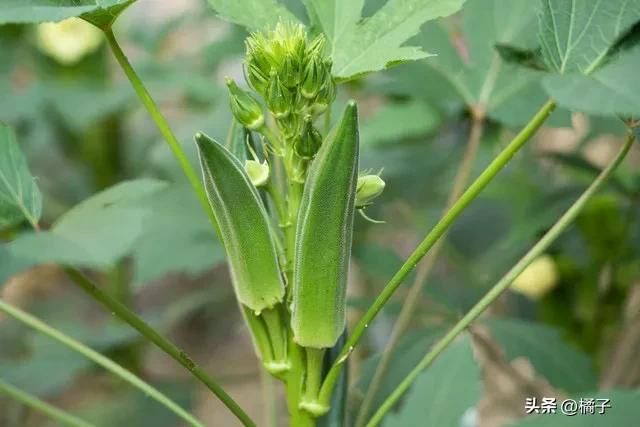
In the period of seedling and before flowering, pine fields are regularly cultivated, soil sheeting is broken, weeds are removed from the fields and nutrient consumption is reduced; when plants are grown up, they are combined with medium-cropping to produce soil to prevent the fallover of the plant, especially in the summer windy areas, where the roots are stronger and the plants are stronger。
4. Leaf harvesting throughout the whole branch to increase ventilation
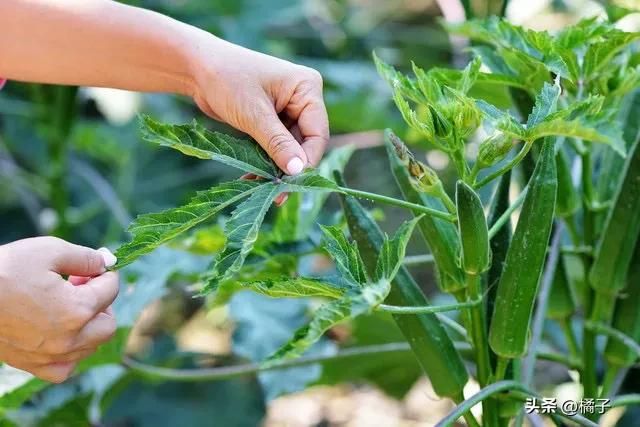
In the middle and later stages of autumn growth, the old leaves, yellow leaves and sick leaves of the plant are removed in a timely manner to increase ventilation in the field, reduce nutrient consumption and prevent pests and pests from growing; when the plant grows to a certain height, it is possible to take care of it, promote the growth of the side branches, produce more and produce more。
5. Pest and pest management, green heart
Autumn is extremely resistant to disease, with very few pests and pests on a daily basis, and is a public-friendly vegetable. Insect pests, such as aphids and tigers, are occasionally found, either induced by sugar vinegar or by home-made deworming agents, such as grasswood ash and pepper water; the disease is primarily preventive, ensuring ventilation and water availability, with little risk of disease, less frequent pharmacological use and more comfort in planting。
The technique is one of three: management of water fertilizers can be extended to other vegetable cultivation, all of the melons and vegetables are protected from the accumulation of water, the concentration of fatty, and thinness and rational control of water are key to high yields; the whole leaf is also applied to reptile vegetables, such as cucumbers, bean horns and so forth, which can significantly increase yields by improving ventilation by cutting。
V. Receiving in time and purpose during the receiving time
Autumn harvesting times are critical, with low premature harvests, late harvests of berries, thicker fibres, bad tastes and loss of food value。
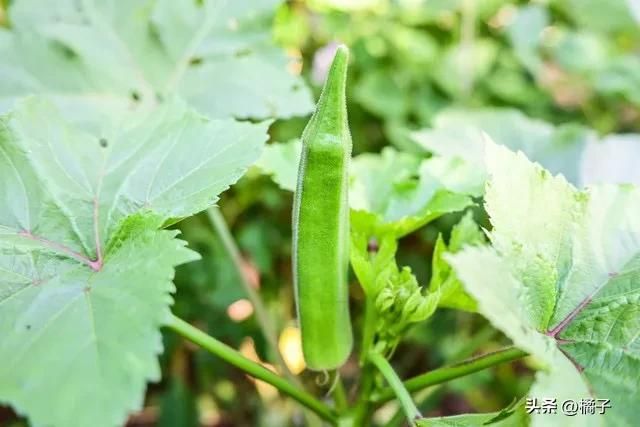
Usually, three to five days after the autumn blooms, the best harvest time is when the acupuncture grows to 8-10 cm, is full of green fruit and soft hands. Cut the handle with scissors, do not rip the plant directly, and avoid damage to the plant; it is best to harvest it in the morning, at which point the puddle is fully watered and tastes best, and also to wear gloves to avoid stinging the skin on the plant。
At the beginning of the harvest, harvests take place every 2-3 days; during the fertilization period, the temperature is high, the nuts grow fast, and harvests take place every 1 day; at the end, the temperature drops and collects every 3-4 days. Autumn harvesting lasts four to five months, from june until mid-october, and with timely harvesting and reasonable pursuit of fatting, the plant will continue to grow and pick up。
One-to-one-to-three techniques: the timely removal of leaves after harvest, the pursuit of fat water, and the extension of the harvest period, apply to all vegetables with continuous results, such as peppers, eggplants, four-season beans, etc., and learn to produce any vegetables that follow。
It's really not as complicated as it looks, it's not complicated, it's not complicated, it's easy to manage, it's easy to grow, it's easy to manage, and it's a new guy who can grow an autumn that's so thick and full of cuddles. Home-grown autumn, now available, fresh and clean, and more reassuring, both to experience the pleasure of growing and to harvest pure natural healthy vegetables。
Under this method, whether it be a balcony plant, a small yard plant or a large field plant, there is a high rate of survival and production, and it will be possible to plant it next year after the end of the year, without any need to eat fresh autumn. Go ahead and plant it while the time is right
The present paper is an experience-sharing exercise for family farming, which may vary from one place to another depending on the climate, soil, and the planting environment。