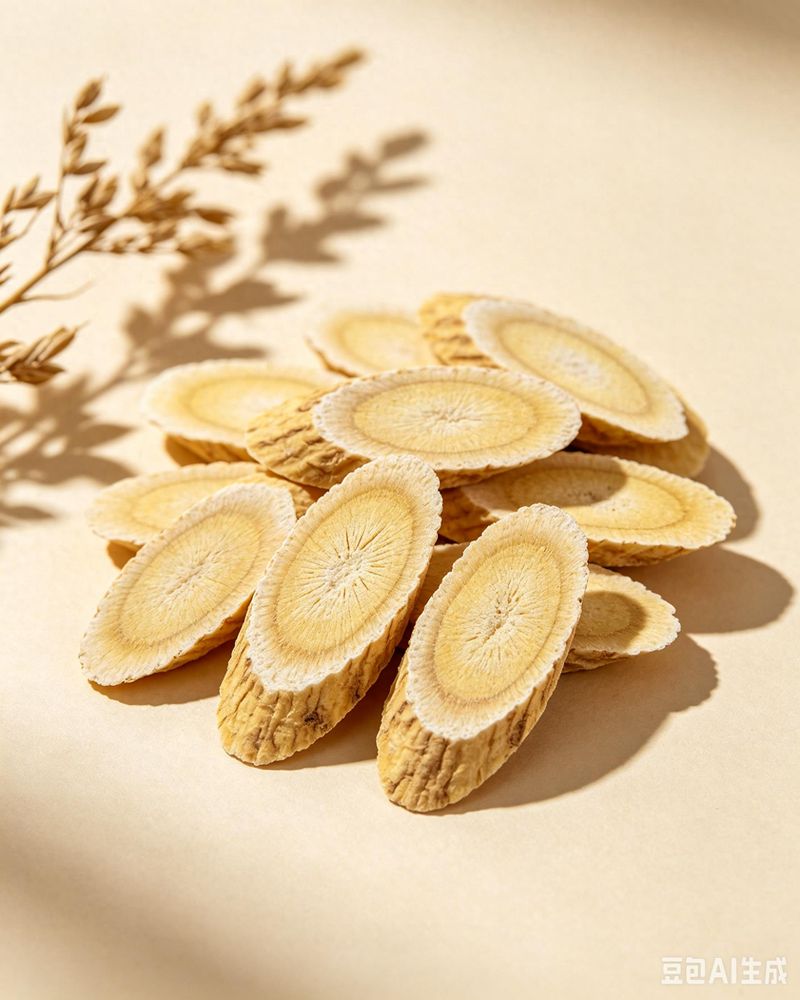
It is essential to manage the timing of planting and to manage the entire range of scientific cultivation methods in order to grow acupunctures and achieve high productivity. The following is about the timing of autumn cultivation, planting processes, field management, water fertilizer conservation, pest control and so forth, and it is hoped that it will help you to share our methods。
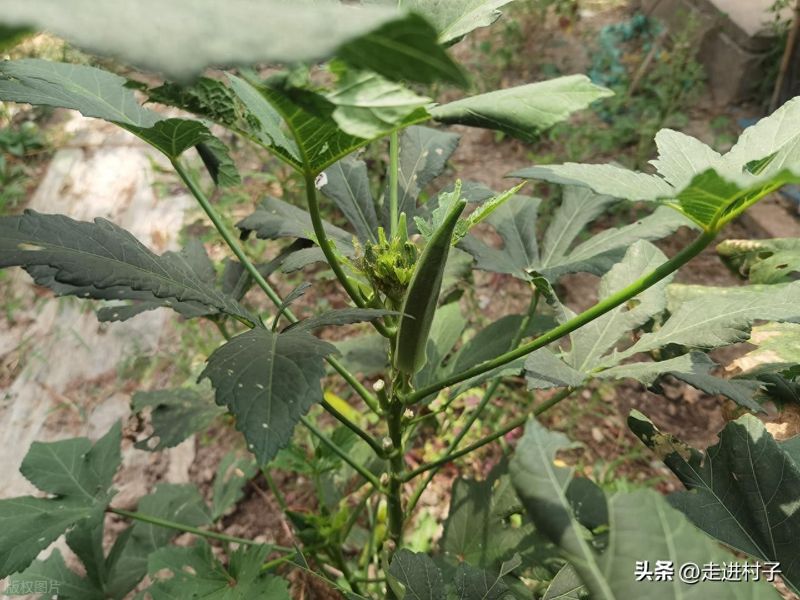
I. Timing of autumn cultivation
1. Autumn growth habits
Autumn is a typical warm and heat-resistant crop, with severe temperature requirements for fear of freezing. Seeds germinate at suitable temperatures of 25-30°c and plant growth at the optimal temperature of 20-35°c, with slow growth below 15°c and freezing below 10°c, which is not normal。
2. North-south geographical differentiation of planting time
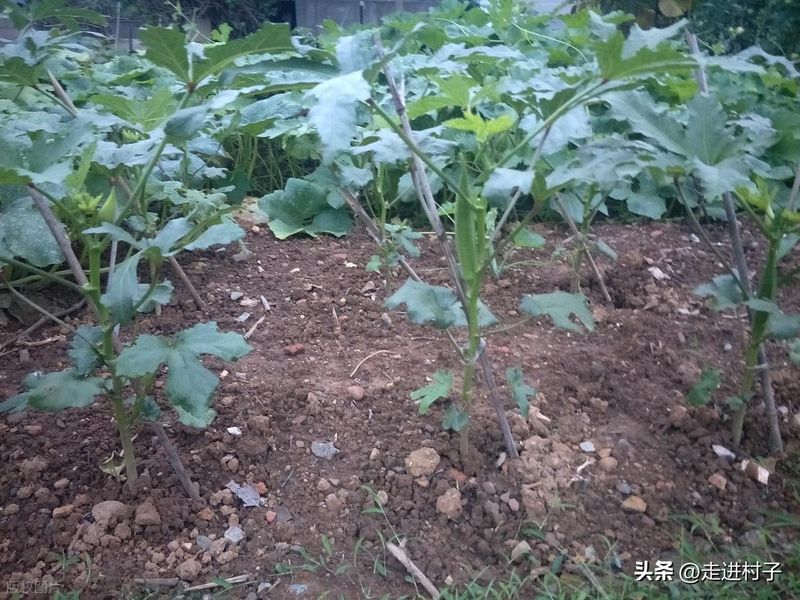
The southern climate is warm and free of frost, with field planting in february-march and spring- and autumn-season planting in warm areas a year; the northern temperature rises slowly and the spring frost is more than suitable for planting in late april and mid-may after the frost breaks. In the case of large nurseries, the north and south can sow them some 20 days earlier。
3. The principle of flexibility
Cultivation must not be rigid, but must be adapted flexibly to local temperatures, rainfall and frost to stabilize at more than 15°c, before planting can be achieved。
Ii. Autumn cultivation methods
1. Land selection and preparation of plots
Land parcels are selected for pre-crop harvests, deep earth cover, soil laxation, smooth discharge and adequate light. Avoiding low-lying water, soil sheeting and reconnected land。
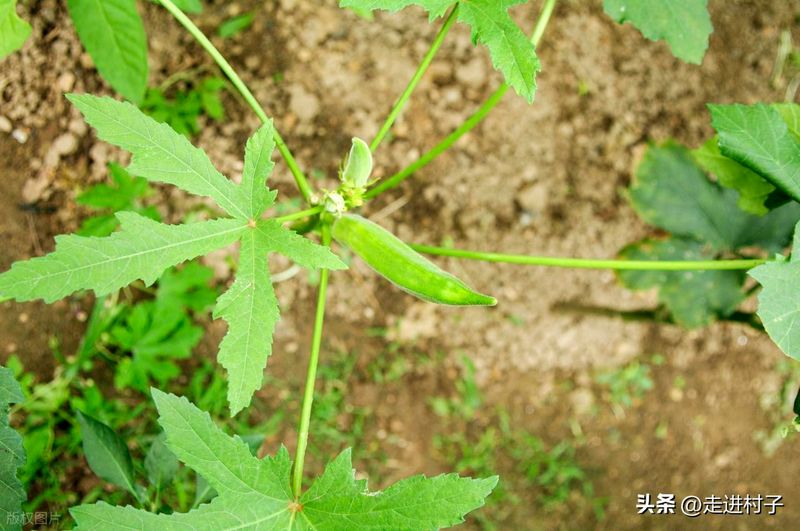
The whole area is to be operated early in the autumn and winter with deep tillage at depths of 25-30 cm. The ground is to be levelled before planting in the spring, weeds and residues are to be completely cleaned, soil aerobics are to be removed and the basis for the growth of the autumn roots is to be laid。
2. Scientific fertilization and standard planting
It is based on a mix of corroded farmers, which is applied evenly to the earth floor, ensuring that the bottom is sufficient to meet the demand for growing nutrients during the nursery period。
Autumn skins are hard, so they grow slowly and poorly, and before sowing they must be treated early: the seed is immersed in fresh water for 24 hours and is extracted with wet cloths, which are incubated at 25°c and then seeded after the seed is exposed。
Cultivation takes place on a spot basis, with two to three seeds per lavender, which is then planted to cover 1 to 2 centimetres of thin soil, soaks the root water, warms it up and soaks it up。
3. Fine field management
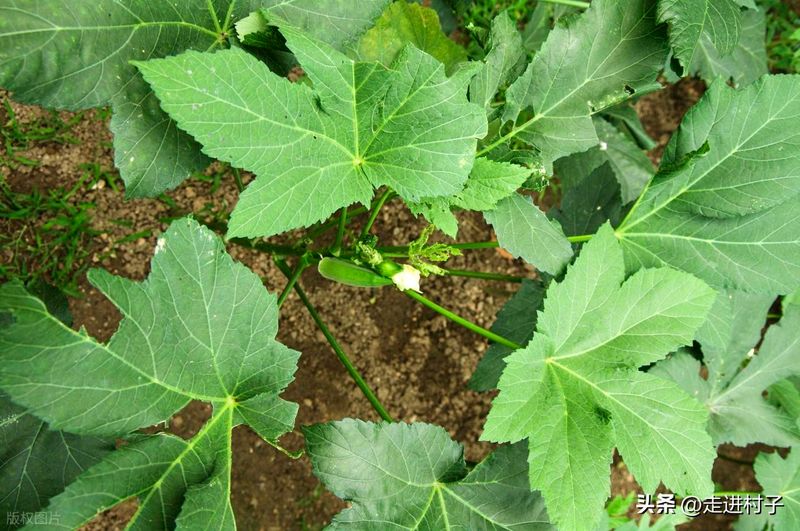
When seedlings are produced, weeding is done in a timely manner, soil is eased, weeds are reduced for nutrients and roots are promoted。
Long-term and timely cropping, cutting off of extra thin and inert branches, reducing nutrient consumption and concentrating on the supply of the main tubers。
Autumn plants are very large and stand-up in the middle and later stages to avoid heavy storm weather fluctuations and branches and to ensure normal plant growth。
4. Rational management of water fertilizers
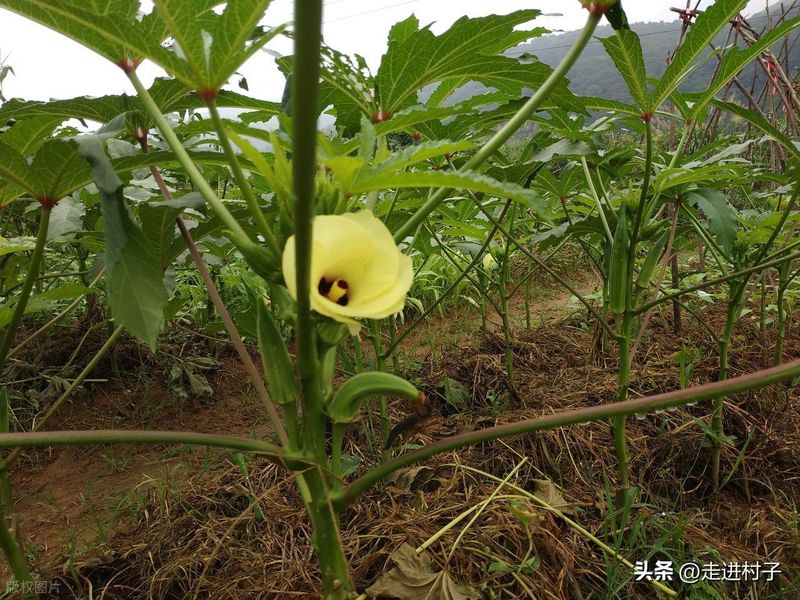
Autumn is long-lived and has long-term shears, requiring large amounts of water. Based on the application of base fats, there is a need for multiple pursuits over the long term, a growing plant dominated by nitrogen, and an increase in the application of potassium phosphate during flowering seasons, promoting flowering, stable sit-in and autumn expansion。
Water follows the dry-swet principle, daily soil is kept warm and dry, high-temperature and dry weather is filled with timely water recharge, during the rainy season canals are drained and flood-proof, and the fields are protected from dry and dry water。
5. Integrated green pest management
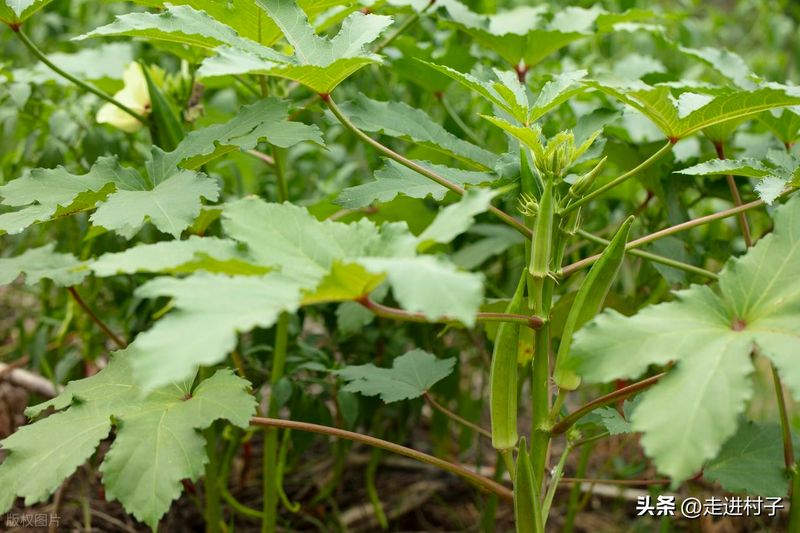
Autumn diseases are common in diseases such as disease, folic and viral diseases, and rainy and humid weather is highly prone to outbreaks. In general, the fields are well ventilated, reasonably densely planted, the rains are followed by timely drainage and wetting, the medications are pre-empted and the disease is reduced。
Common pests are dominated by aphids, parrots and rolls, and when small numbers of pests occur, priority is given to physical and biological management; large-scale outbreaks of pests are selected for treatment with low toxic and residual pesticides, taking into account the effects of insects and the safety of the consumption of acorns。
Concluding remarks:
Autumn cultivation is not complex, and the core is to map its growth habits of warmth and fear of cold, and to select the best planting times for the north-south climate, to make sure that the ground is ready, seed seed seeded, to regulate seeding, to weed the whole branch, and to protect the scientific aquatic fertilizer and pests. If carefully managed in accordance with this method of crop management, the autumn can flourish and grow at a high level of productivity and production。