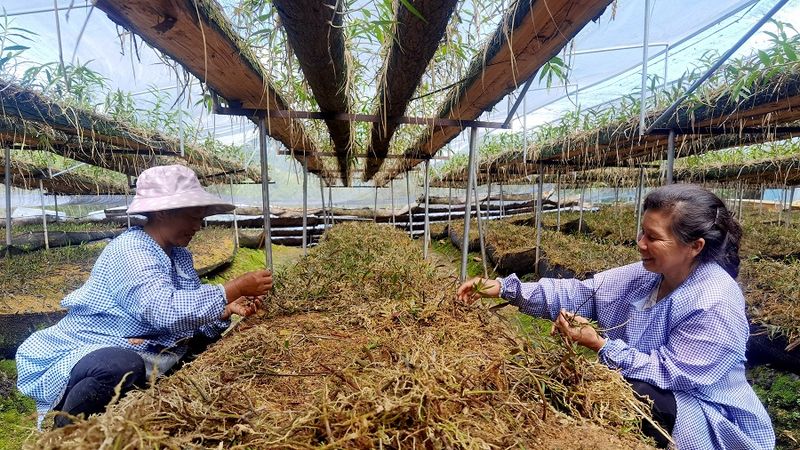
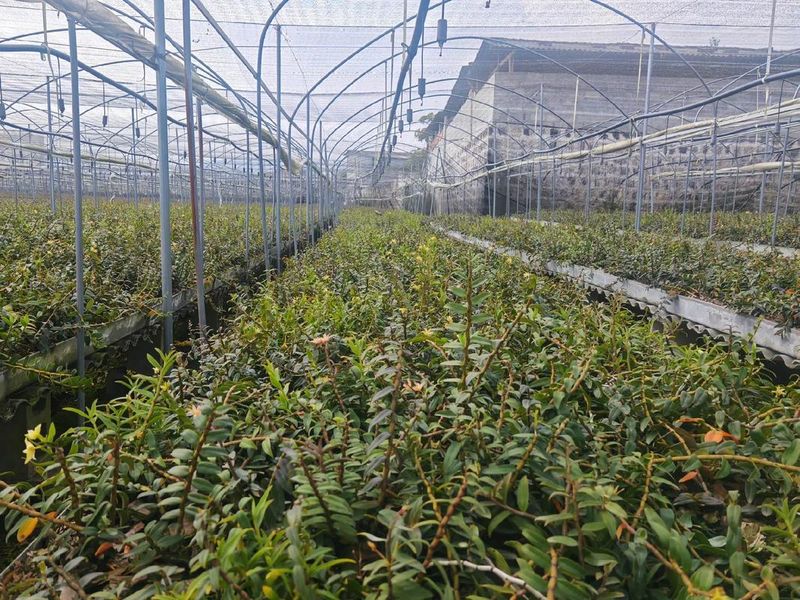
1 (1) site readiness 1) facilities are prepared for iron platinum to protect ground cultivation, generally using facilities such as glass greenhouses or zinc plating sheds, bamboo structure huts, etc., equipped with sunnets, spraying equipment and pest protection nets. 2) zirconium zirconium 1 - 1. 4 m wide, not more than 40 m long and 20 - 50 cm empty from the surface shelf. Plasma can be supported by asbestos tiles, plastic flatnets, planks or bamboos, etc., and spray time can be controlled by a 50-100cm high spray. (2) substrate selection and treatment, based on locally available material resources, is subject to water retention, ventilation, non-toxic options, such as pine bark, moss and shredded bricks. Sterilization of the matrix prior to its use can treat the water content of the matrix by means of evaporation, sun sun, stacking and leaching. The base is then laid on the surface, spread flat, approximately 6-10 cm thick. (3) plantation can be moved from mid-march to the end of november each year
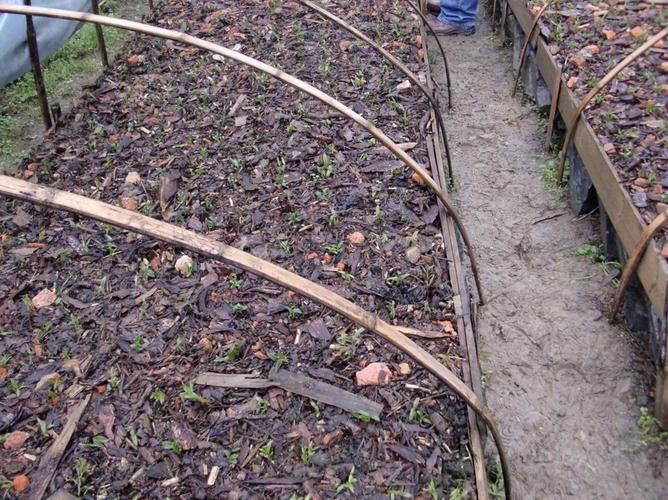
The best planting time is march-june. Plantation may be made by monoculture or bush, with a single series of 2-4 series at a range of 10 cm*5 cm and 10 cm*10 cm. Cultivation should be carried lightly and as far as possible not to break the roots of meat cultivation at a depth of 2-3 cm. It would be preferable for seedlings of different classes to be planted separately and easily managed. Per 667 m seedage is 10 million or more. (4) field management 1) light temperature management. In the long term, the light is reduced by a sunnet with a shade of 75-85, which is controlled at 7,000-15000lx with seasonal variations. Temperature. Iron platinum is suitable for growth temperature of 18-28. The temperature in the planting shed should be below 45 and above 0. 2) fertilizer management moisture. The matrix is based on pre-drying and planting is based on the growth of the plant, with the first leaf spray starting at 3d. If the weather is dry, it can end
3. Co-hunt for spray. In the event of an incandescent drought, water can be sprayed in the morning and in the evening, so that it does not take place in the sun. The rainy season requires the timely clearance of trenches, the deepening of trenches and drains, and the timely drainage of water. Fertilizing. After two weeks of planting, leaf noodles can be sprayed, such as 0. 1 potassium nitrate or three-dollar composite fertilizer; at a later stage, 50-100 kg per farmer, as appropriate, will be followed up with one dose of 20kg potassium phosphate; and 50-100 kg per farmer after spring. 3) after weed cultivation, weeding and hysteria shall be performed in a timely manner. 4. Winterization management, which is mainly temperature-preservation, is carried out by means of two-way membranes, smoke resistance, artificial heating, etc. Freezing exercise and proper wetting of quarries is required before winter, with water sprayed every 15d. (5) pests and pests and their prevention 1) strengthen agricultural control for pre-treatment of sites, clean up of impurities around the sites, strict isolation and environmental clean-up; enhance ventilation and reduce humidity; timely
4. Remove the pathogen from the disease strain and the matrix of the strain, treat it with broad-spectral antibacterial agents such as tobzin, agro-chain carcinin, etc., and replant it with a new matrix; strengthen insect control efforts, which can be handled with insecticide-resistant nets and booby traps; and regularly spray emel, which dilute 300-500 times the original fluid, weekly leaf sprays, improved pyrotechnic co-operation and effective prevention of disease. 2) the main diseases of the platinum platinum and its fight against soft corruption. During the summer, the main disease of the iron platinum is most likely to occur in high-temperature, high-humid environments, with rapid morbidity. Most of the pathogens are infected from the roots and begin to be immersed in dark green water, rapidly spreading to softened and decomposed tans, with special stench in their parts. When serious, the leaves quickly turn yellow. In the early stages of the onset of the disease, an 800 times more liquid spray could be used for 75 methyl tobuzin humid powder. Black spots. The leaves that are mainly harmful to the seedlings, they are dying, they turn yellow around the black and brown disease, and they all fall
5. General non-absorption. Usually occurring in the months of march-may, the spray can be 2-3 times greater than 1:150 bord or 800-1,000 times higher water dispersion particles of the 10th century. Anthrax. The main damage to the blades and the flesh truncheons is the presence of brown or black spots in the affected blades, which, in large numbers, can lead to the fall of the leaves, seriously affecting the growth of the iron platinum, which generally occurs in the months of l-may. The fungus is transmitted mainly by wind, rain, water, etc., mostly from the wounds, and is immersed in dense, poorly ventilated, and leaves are susceptible to intersections. At the beginning of the disease, the disease was sprayed three to four consecutive times every 7-lod with a dose of 60 times the dose of zinc 65 or 50 times the humid powder 50 times the weight of 80 anthrax, 800 times the amount of humid powder. Disease. It is also known as the pebble disease, which mainly endangers the planting of seedlings during the year. The disease began with black brown spots in the tuber's base, water stains, spreading downwards, resulting in the death of the roots, and the planting of the leaves. Change
6. Yellow, falling, dead and, in severe cases, all the plants are dead. Where the disease has occurred, the incidence of replanted saplings is in the range of 70-80. The disease is most likely to be caused by the accumulation of large amounts of moisture in leaves in high temperatures, overwatering and poor ventilation. The treatment can be repeated in 3-7d when necessary, using: 1 150 bordeaux of 800 times liquid or 58 gyr domir wettable powder. 3) the main pests of iron platinum and its molluscs. They are mainly snails, snails and certain screws, which can endanger pups, young leaves, usually crawling out and eating at night in the dark during the day, and the rain is the worst. Prevention and control methods: first, entrapment with vegetable leaves or grass bait, i. E., wetting with 50 thiophos-methyl emulsion (0. 5 kg) and weeding (50 kg) and weeding (50 kg) at night; second, late questioning activities can be hunted by humans; and third, spraying of raw lime, tea tea, saturated salt water around the platinum to prevent it from crawling into the platinum: fourth, prevention of snailicides, such as miida. Worms. The summer fall endangers the young leaves and the larvae hides the leaves from them. Prevention and control methods: first, a 20-point anti-worm net or a 30-year sunnet around the shed to prevent insects from flying into the shed to spawn; second, artificial extinction, cocoon cutting of leaves, and larvae and larvae: third, 1,500 times the liquid treatment of 5 sharp adsorption agent was sprayed before the end of larvae ii. 4 / 4 documents can be printed freely