# headline creation camp # let's do it. It'll be six paces long enough
Some say "weeds are hard to feed, leaves are bad roots", but there's no right way. My 60-cm lawn cauldron, which was still bald three months ago, now runs to the surface of the water, moss makes green blankets, and even fish have to drill in the grass — not by talent, but by six “dumb ways”, and it's hard to get freshmen to do their work。
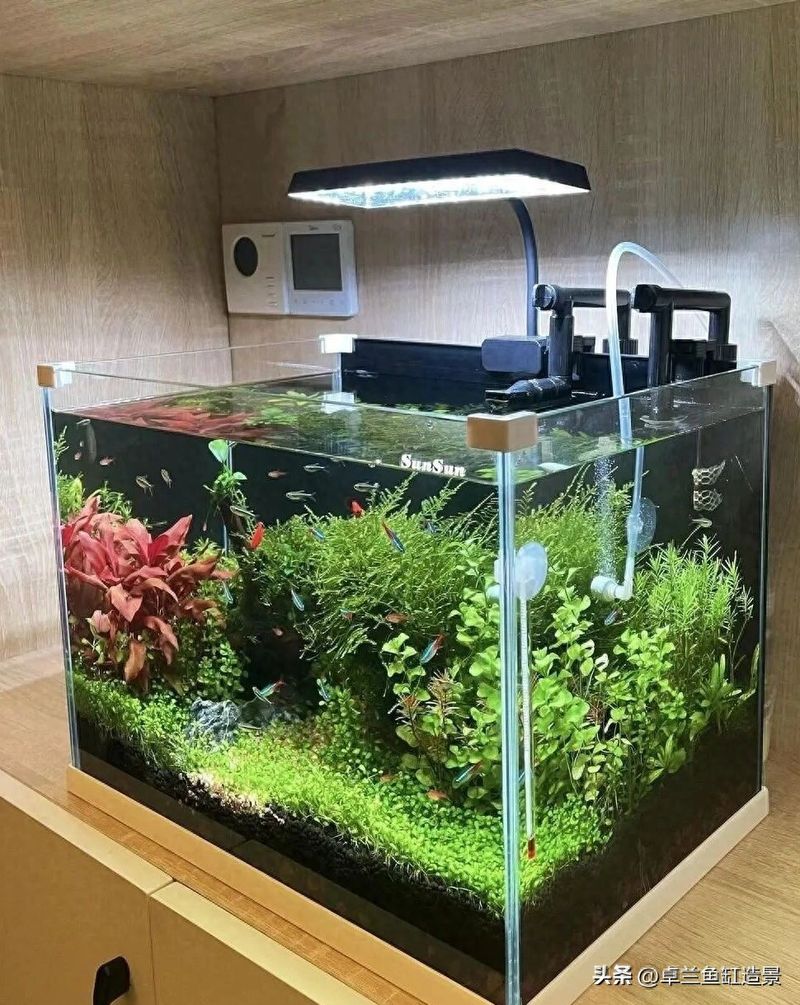
I. Lights: the light is not as light as longer as it is, the worth of the ground to the light
Newbies are the easiest to make mistakes: buy a color light that goes up every day, and it explodes faster than grass
- matching of the light: it must be a full spectrum water herb lamp (6500k colour temperature with red light and blue light) and a common fish tank lamp does not feed positive grass
- time by "grass":
(b) negative grasses (water, moss, peppers): 4-5 hours per day (weak light slots) and algae will explode for too long
Positive grasses (courts, pearls, green daisies): 6-8 hours per day (high-light slots), and if they are not sufficient, they will grow thinly and thinly
- time! Time! Time! : fix the lights with a smart plug (e. G., 9 a. M. To 3 p. M.) and don't forget them for 10 hours today and tomorrow. The grass will be yellow。
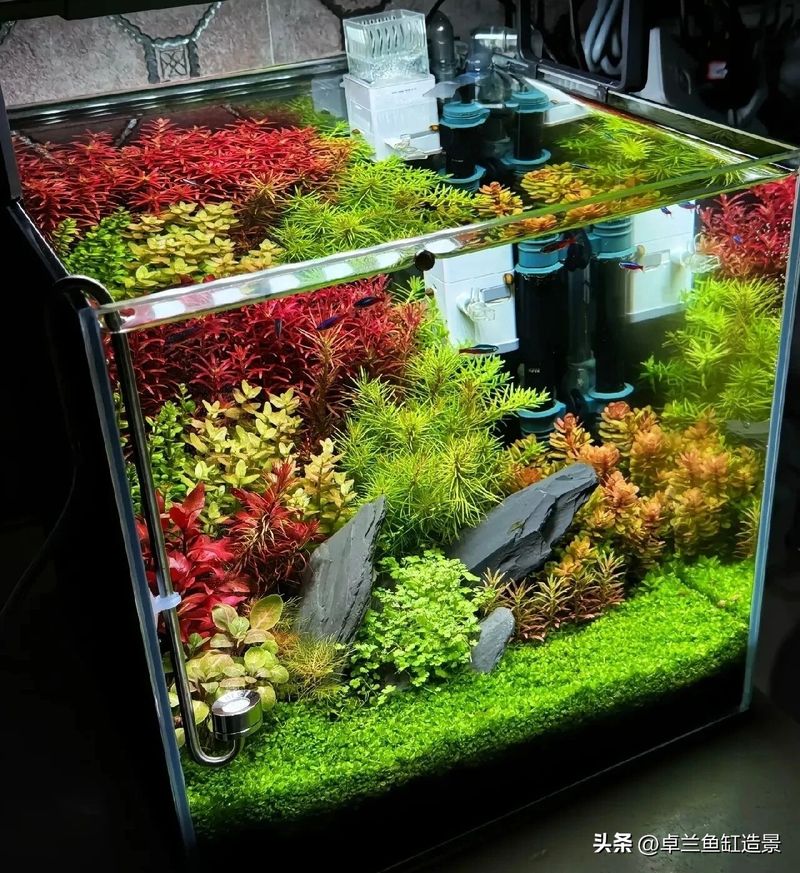
Two, co2: the waterweed's "food" without which it grows slower than a snail
Don't believe in "no co2" unless you only have moss
- negative grass: the use of liquid carbon (plus 5 ml/60 a day) sufficient to sustain basic growth, i. E. Slow growth
- positive grass/red grass: steel bottles must be put on! 60 cm tattered "1-2 bubbles per second", one hour before light is turned on and one hour before light is turned off (auto-controlled with an electromagnetic valve, save)
- is it enough to see a bubble: a little bubble (oxygen) on the water lawn after the light has been turned on, which means that co2 is enough; a bubble is enough without leaves and leaves with hair。
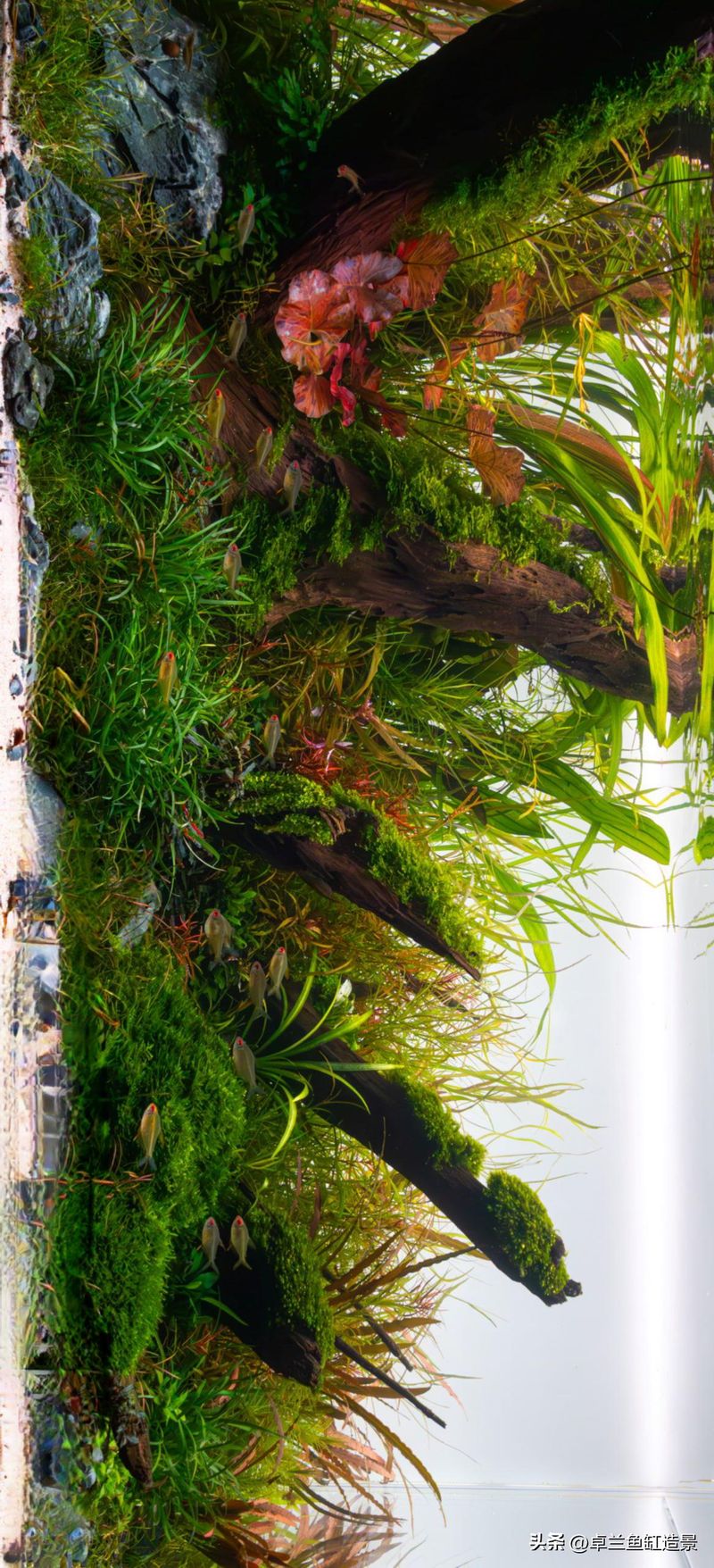
Bed + fertilisation: the grass is “saturated” to be crazy to feed
The bottom is the wrong bed. It's a waste of effort
- pre-opposed water-grass mud: preservation of fattening, 3-5 cm in a new tub (pre-low and high, staged) for two years
- limited budget for the use of pottery: first, it is fattening (two days after cleaning up) or otherwise the water grass is hard to root
Make sure you don't shake your hands
- liquid fertilizer: plus 5 ml per week for 60 cylinders (2 drops of iron fat and red leaves)
- fat: one of the “eating root”s of crown grass, palace grass, one of which is buried next to the root (not to touch the root) for three months
- warning: extra fat will explode algae! Once the water is green and the walls of the tatter are green, the fat will stop and 50 shrimps will eat algae。
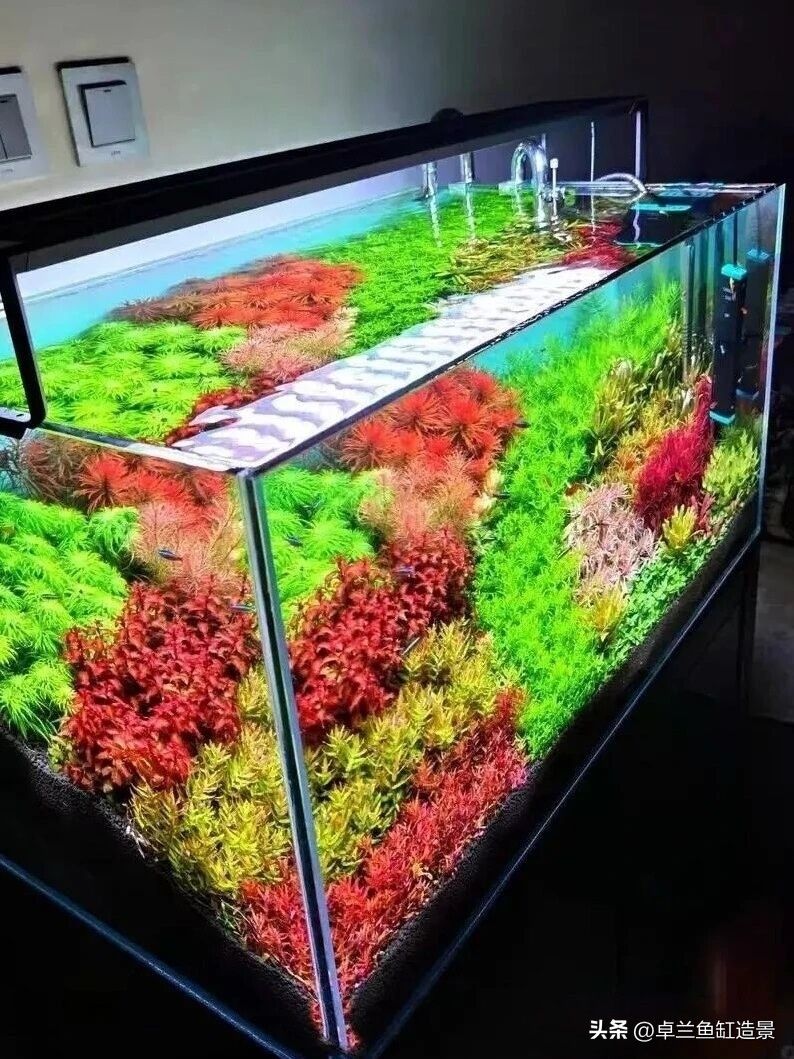
Water quality + water temperature: stability is more important than anything
- 22-26°c: more than 28°c, the grass is like "cooked" and leaves are yellow (summer must have fans or chillers)
- 20-30 per cent per week for water exchange: water from a sleepy pipe (three days of drying) with a temperature difference of no more than 2°c, slowly falling along the walls of the tank (don't flush the grass)
- the water flow is not too strong: filtering out the water mouth to the wall of the tank (which softens the water flow) otherwise the grass will be washed upside down and the roots easily rot。
Cuttings: cutting and growing, and not hurting "cut scissors"
It's always the new guy who can't cut, so the grass grows like a mess
- head trim: when the court grass and the grass grow to near the water surface, the branches cut off from the roots above 5 cm are cut and are inserted directly into the mud (liveable and dense)
- fixing yellow leaves: yellow leaves are found and rotting, cut off immediately (don't leave them) to avoid infection
- moss “shaving the head”: cut the too tall mose with a pair of scissors, and in two weeks it'll grow a full green carpet, 10 times better than a mess。
Weeds by newcomers: from the beginning of “fatal survival”, the sense of achievement is full
These five types of eyes are closed, and the newcomers can pop a tank:
1. Selenium: 10 cm in a week without mud and with enough light
Water platinum: tied to a sunken wood, with no strong light for negative grass and fresh leaves if cut
Moss: laying on a rock so that a little water can be sprayed, suitable for building “grass”
Green daisy: bringing a pixie air with itself, long enough light and cutting branches into the mud for seconds
5. Precipice: leaves are thick and durable, without constant trimmed and suitable for lazy people。
Take care of the "pretty pack":
Eargrassing, sungrassing, sangaris (light, co2 requirements are extremely high, new hands rot in a week)。
In fact, the heart of the cask is “to give light, to feed, and to make little effort”. Watching water grass grow from a few to a full tank, where fish travel to hide from cats and cats, that sense of accomplishment is worth more than buying as many expensive equipment。
What grass do you have now? The comment section says, "what's the status?"
♪ watercracker technique ♪