On 28 may, a fourth thematic event was held at the “tribunal villages” planting base in the town's qinghuang village of cebu city, anhui province, under the project “tattoo love seeds in the valley”, implemented by anhui zhang sea and silver industries foundation and implemented by the cebu centre for the development of the good welfare of sunshine angels in cebu。
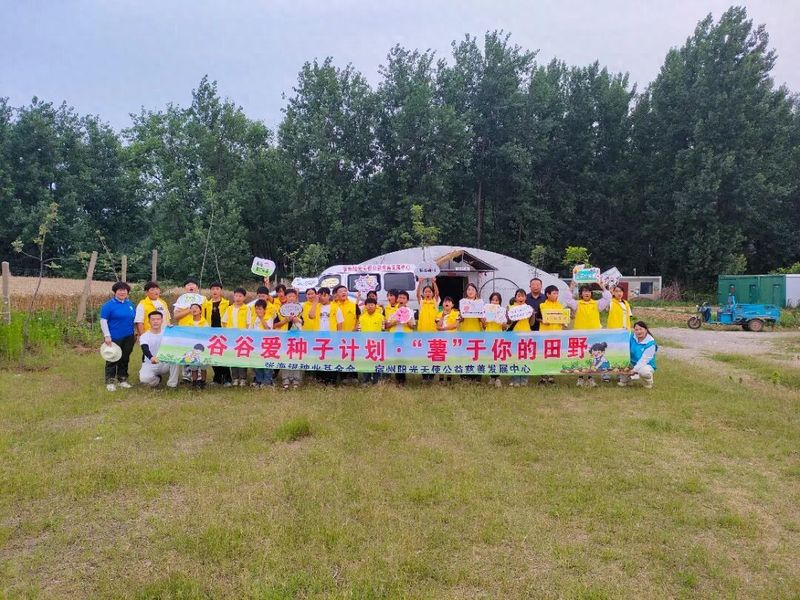
In the early summer breeze, 30 rural children, three volunteers, began an exploratory trip from the field to the laboratory in the afternoon。
01
First stop: indoor importation — why is grass green
The campaign started, the children sat together. The social worker asked a simple question: “look, grass and potato leaves are green in the ground. But why
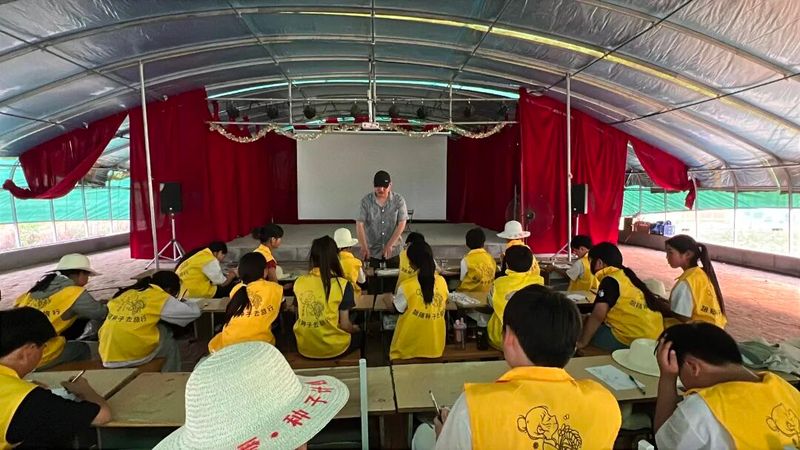
A child immediately replied, "it was born green!"
The social worker laughed, "i'm fat, so can you say, "you're born fat?" no, fat is eaten. Green leaves are not born because they contain a magical substance called chlorophyll."
The children opened their eyes。
The social worker went on to say, "the chlorophyll is amazing! It helps the leaves absorb sunlight and turns light into energy for their own growth. Without the sun, plants cannot survive. Secrets are on chlorophyll. Today, we're going to have to come out of the green leaf
02
Second stop: field management — head taping, weeding, observation of pests and diseases
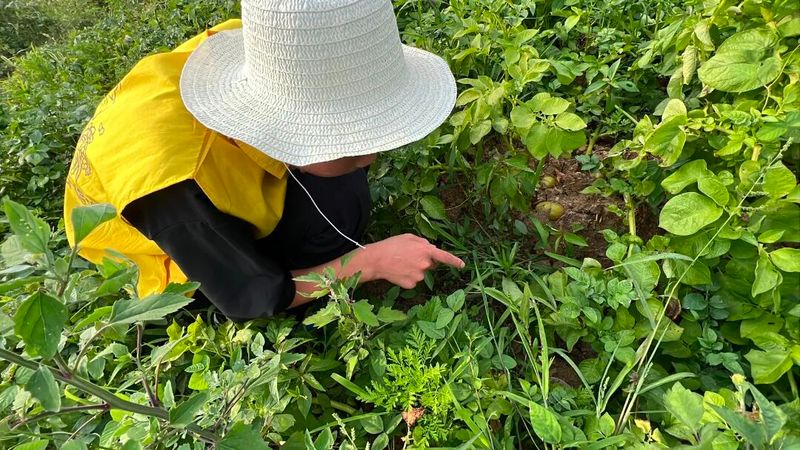
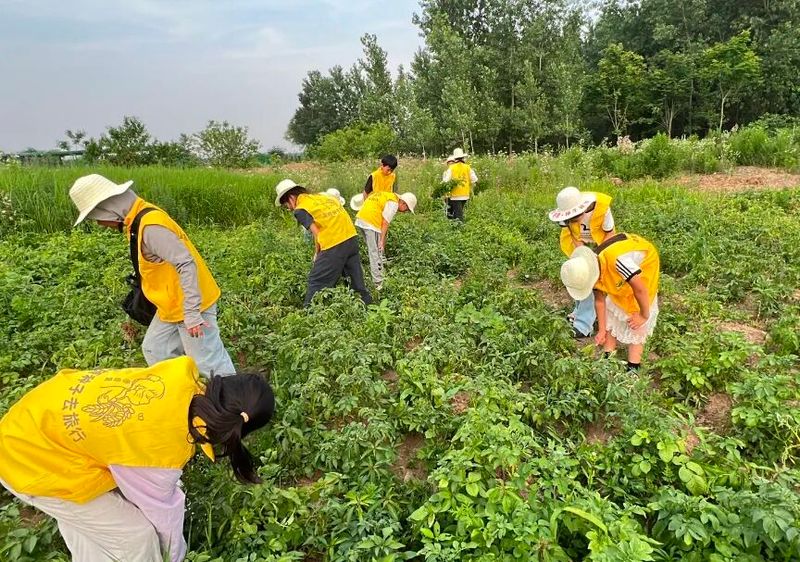
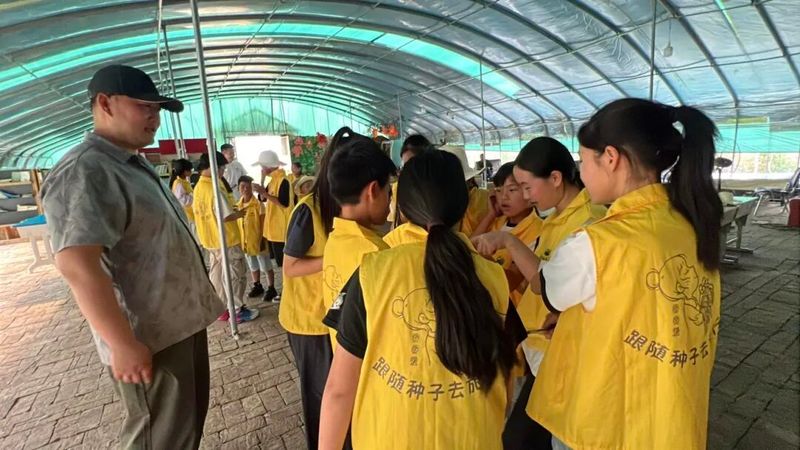
With curiosity, the children, led by social workers and volunteers, entered their fields of responsibility。
Today's mission:
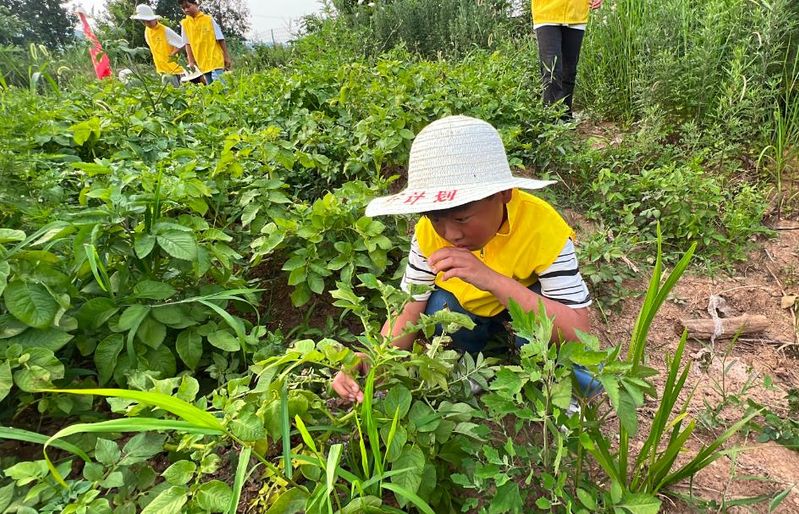
Head shot: find the still-crazed seedlings, strangle the top and let the nutrients go down。
Graffiti: crawl down, a weed that pulls out and the potatoes eats。
Observe pests and diseases: examine carefully whether there are spots or insects on the leaves, and find faulty leaves, gently remove them and treat them uniformly。
"sir, there are so many little bugs on this potato."
Social workers nod their heads: "great, you learned to observe. Look on the back of this leaf. The small, dense, green spots are aphids. They're like mosquitoes sucking human blood and sneaking on potato seed juice. The leaves they suck on are no longer strong enough. Look carefully, isn't the leaves already rolled up? That's the potato calling for help!"
“if it's not so many, we can remove it manually or wash it with water; if it's more, we'll have to do with pesticides.”
The work is over, the children are passing through the peach tree by the village. The trees are filled with red peaches, and everyone is excited to take them off, wash them by the water, and bite them — raw, full of water. This peach is sweet because it's tired and thirsty all afternoon. "it's sweet because it's tired." a kid said with his mouth shut。
03
Third stop: scientific experiments - chlorophyll fascination hide
Back inside, the kids couldn't wait to start the experiment。
Step 1: cut the leaves
Each of them cut the green leaves and put them in two cups。
Step 2: add liquid
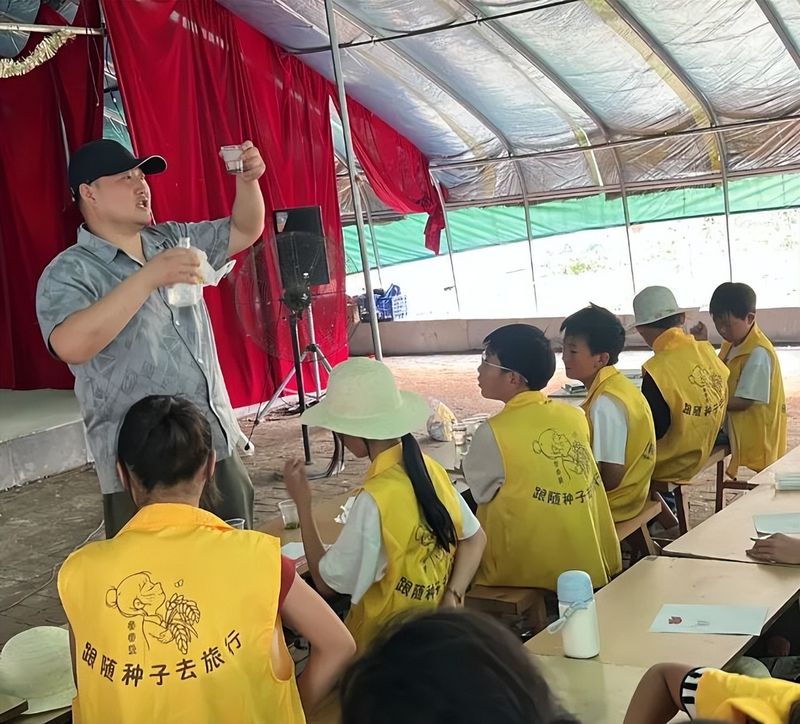
A cup pours alcohol, a cup pours water. And the social worker asked, "guess which cup will suck out the green?"
Step 3: waiting quietly
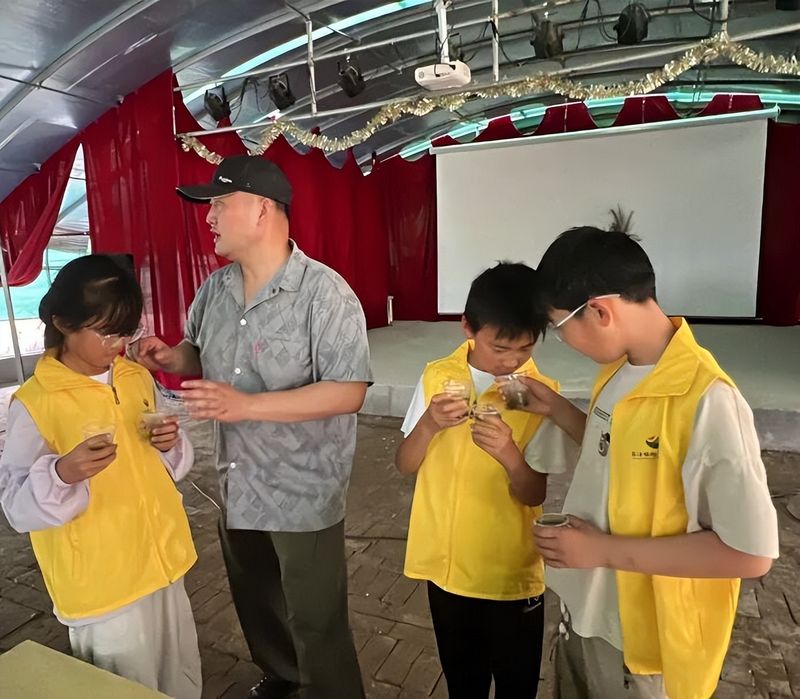
Ten minutes have passed..
The liquids in the glass slowly turn green
The water cup is still clear, only a few pieces of leaves floating。
"whoa! The alcohol's turned green!" the kids are crying。
The social worker explained: “the green is the chlorophyll, which likes alcohol and is not soluble in water. That's its temper."
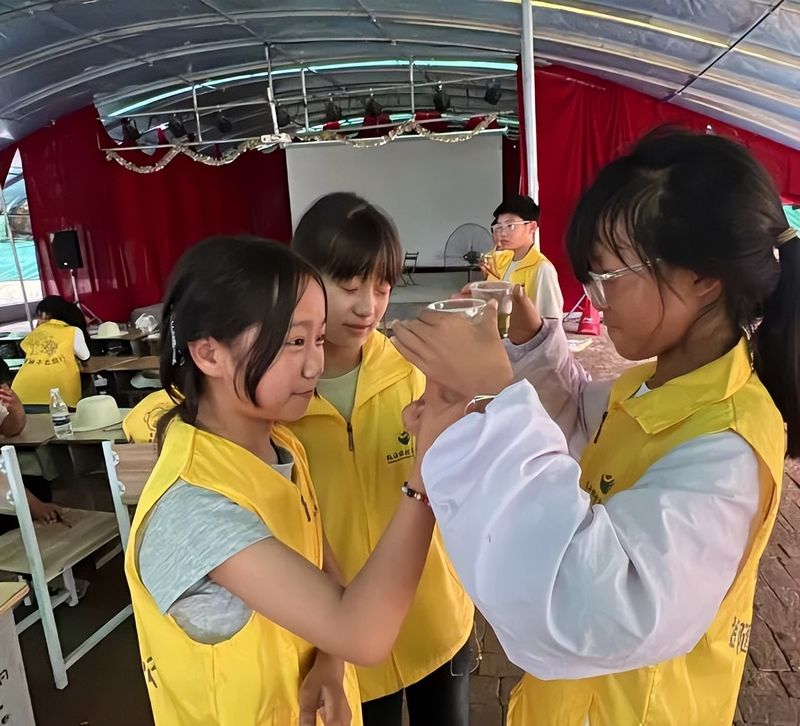
Step 4: meaning of discussion
"what's chlorophyll doing in the leaves
The children remember what they said when they were imported: "it helps leaves absorb sunlight, create energy, grow potatoes!"
04
Fourth stop: potato adventure -- drawing the growth level cut
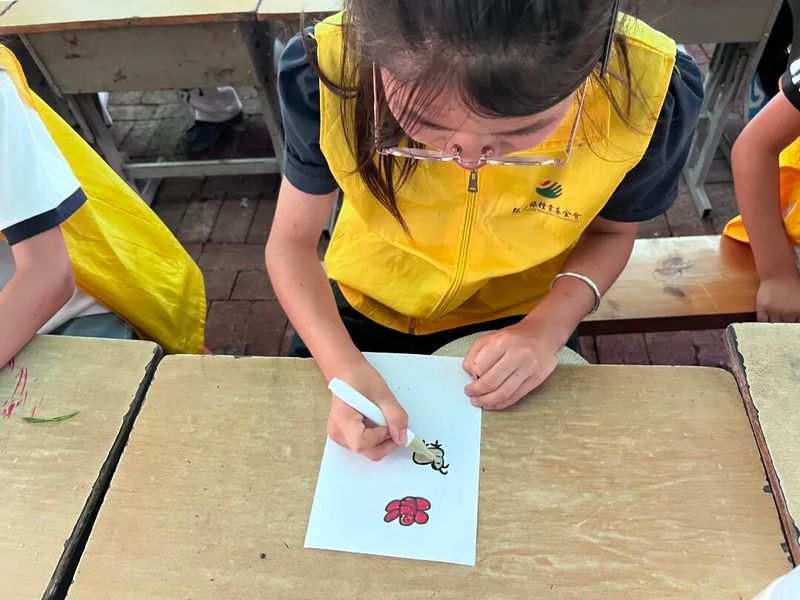
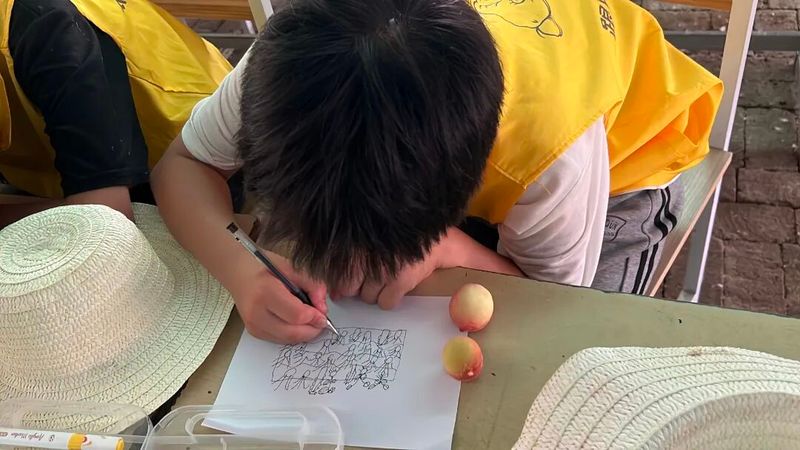
“the potato baby, from seed to harvest, is going through a lot. Drought, floods, insects, fungus... Today, please be the potato keeper, and draw the potato's adventure story!"
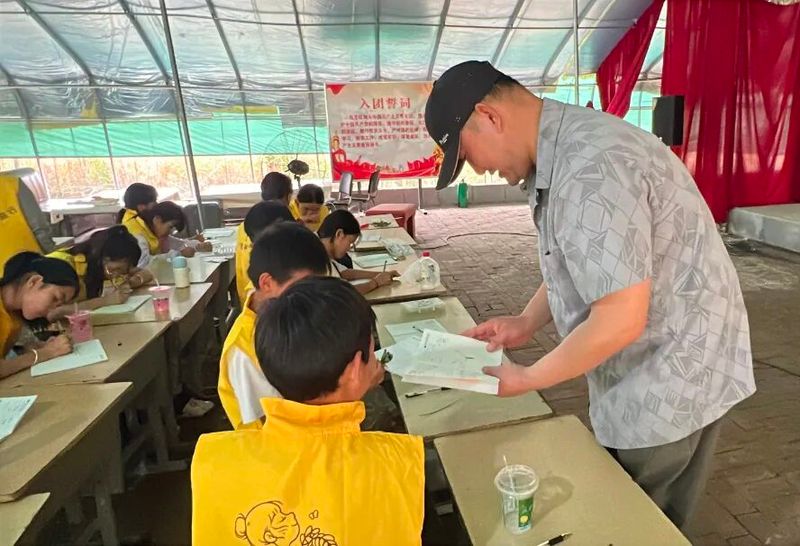
The children picked up b5 white paper and paint pens and started to create: some painted dry land, broken mouths, potatoes shouted “dreary”; some painted the big chrysanthemum, with a little bird helping them; and others painted the potato man, punching out the disease。
Each painting is the children's understanding of potato growth and their blessing。
05
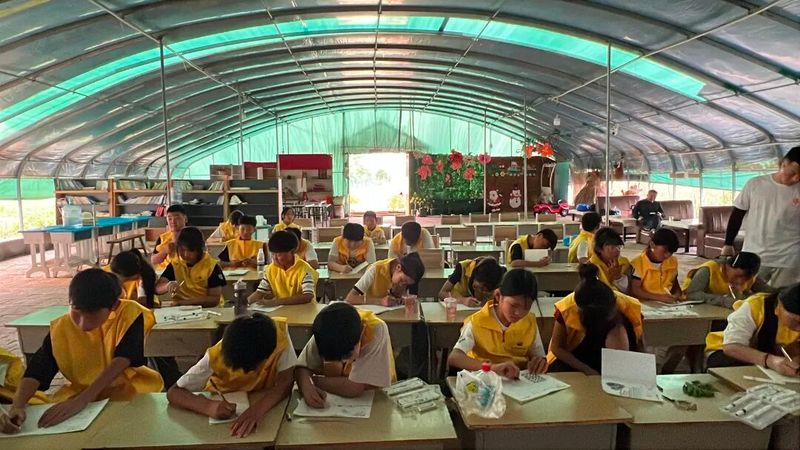
Site 5: observe the diary — record today's discoveries
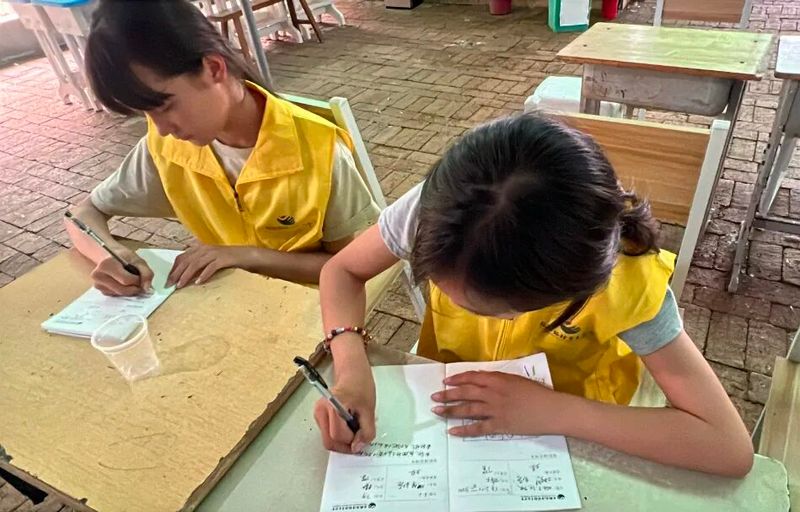
At the end of the painting, the children took out the potato growth observation diaries and wrote:
Date, weather; what agricultural work is done (heads, weeds, pests)
The discovery of the chlorophyll experiment: "the alcohol is green and the water is still the same; what kind of potato adventure is it? Every page of the diary is a testimony to growth."。
06
Conclusion: a green leaf, a big lesson
On this day, the children worked in the fields - head-beating, weeding, searching for sick leaves, understanding the meaning of “care”
On this day, the children explored in the lab -- “capture” of chlorophyll with alcohol, and understood why the leaves were green
On that day, children told stories with a brush — the idea of a journey of adventure for potatoes — and planted seeds to protect life。
This is what rural children need: to work with their hands, to observe with their eyes, to think in science, to paint a pen。
Potatoes are still growing up in the dirt, and our company continues。