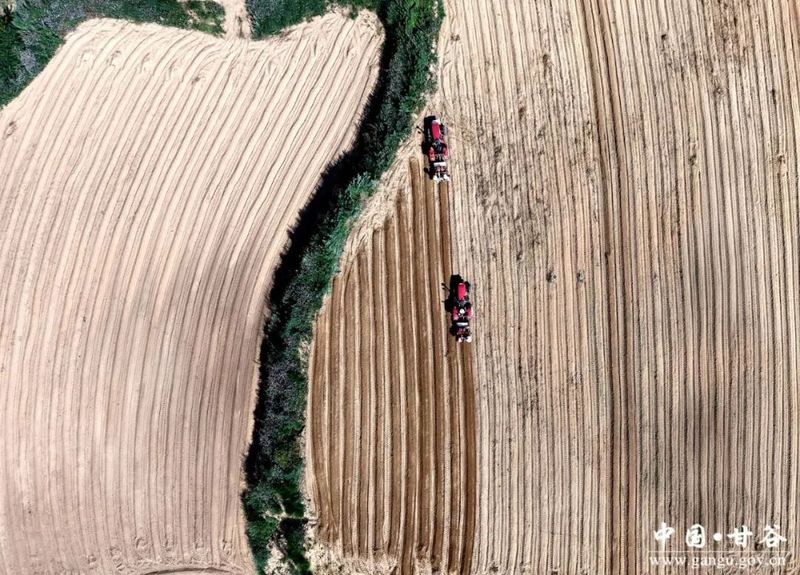
Summer falls and cultivation continues. At present, the town of kinsan, ganya county, has seized the agricultural window after the summer harvest, fully replanted the potatoes with oil and vegetables following the harvest, used scientific rotations and mechanized farming patterns, efficiently reclaimed the land resources, expanded the farm-house harvest channels, and played the springing of the rural industry。
The two villages of bay and tanayama, kanya district, are now heavily cultivated. Large-scale farming machinery travels through flat fields, completing the full range of processes, such as pick-ups, fertilization, seeding, land-covering, and so forth, efficiently and easily integrated operations, radically changing the time-consuming and time-consuming slabs of traditional manual farming and significantly improving its efficiency. In order to maximize the productive capacity of the land, this year the town has adapted its cropping structures to local conditions. It has promoted the replanting of potatoes with oilseeds, selected high-quality, high-yield potato number 9 varieties, equipped with standardized planting techniques, and made every effort to implement the replanting process。
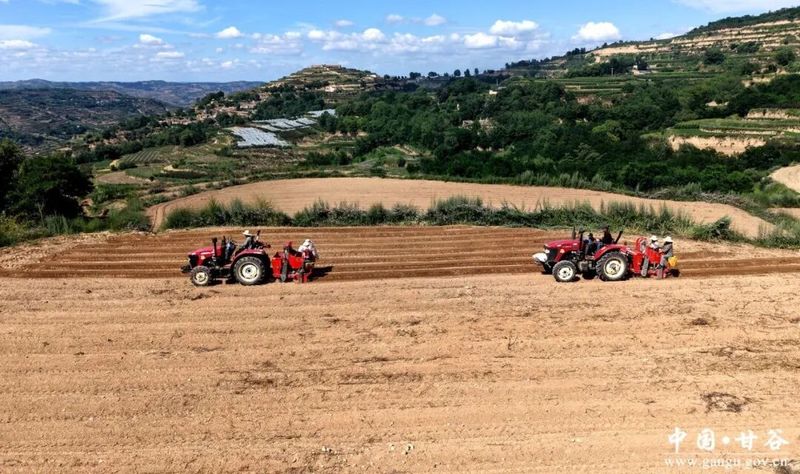
“we have introduced an integrated method of mechanization, fertilization and planting, and have chosen a quality potato 9 species, which has not only significantly reduced the farming burden on farmers, but has also fully mobilized all of us. After a week of intensive cultivation, the town has now completed about 1,000 acres of replanting and the replanting is in its final stages.” zheng seung-bin, secretary of the bay village party in kimshan town。
In recent years, the town of kyum shan has continuously optimized its farming system, depending on the local climate and soil conditions, exploring a two-year, three-point efficient rotation model of oil and potatoes, effectively improving soil structures and balancing land fertility, addressing low land use rates and limited output efficiency for single-planted land, and achieving a “seasonless, four-quarter increase” in idle land. The town-wide scientific planning, precision deployment, layering of planting tasks, integration of all aspects of plot preparation, technical guidance and farm machine allocation have steadily expanded the scale of the replanting of potatoes, effectively transforming the land resource advantage into an industrial gain, and laying the foundations for agricultural efficiency and steady growth of farm households。
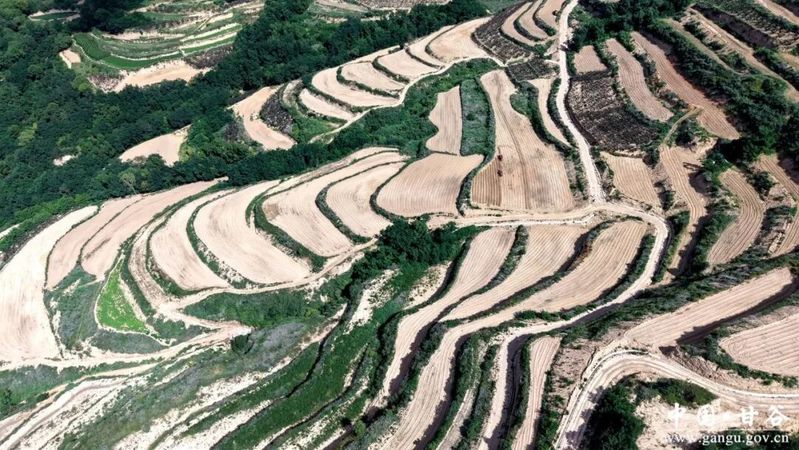
“this year, the whole town focused on the farm hour and quickly moved ahead with the potato replanting after the winter harvest, with approximately 1,400 acres planned for the whole town. The two-year, three-year efficient rotation model is introduced through normalization, maximizing the use of idle land resources, continuously increasing land use rates and unit values, and promoting the transition from traditional agriculture to efficient intensive agriculture.”
As a next step, the town will continue to follow up on the field care of potatoes, organize the sinking of farm technicians, regularization of technical guidance such as pest control and management of water fertilizers, and guarantee stable production of secondary potatoes. At the same time, the agricultural industry structure is continuously optimized, efficient cropping patterns continue to be promoted, land output efficiency continues to improve, niche farming industries are expanded, and rural revitalization is injected with sustained and stable industrial dynamism。