Over the years, too many vegetable farmers have been struggling with production in winter in the area of vegetable shed cultivation. But you know what? A key factor, once mastered, is not only to reduce the vegetable growth cycle significantly, to achieve the three-strength harvest miracle of a year, but also to bring the vegetable quality to a higher level, with a sharp rise in the yield line, the core code being - temperature regulation. Next, i have unreservedly shared many years of practical experience, even new hands, which can quickly open the way to wealth。
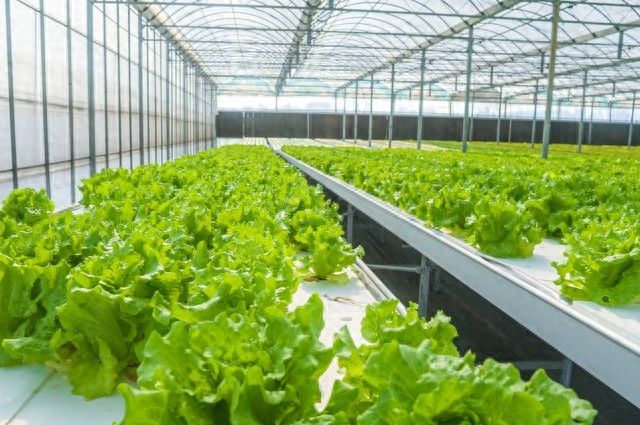
Time planning for high production in winter
Since temperature regulation is at the core of the high production of vegetables in the winter sheds, the time planning that is closely linked to it cannot be ignored. Rational planning is like laying an efficient highway for vegetable growth. During the winter, it is proposed to have three precise stages of vegetable cultivation in the shed。
Morning
From september to november the harvest, you can choose cold-resistant leaves, like spinach and cabbage, which are “breeding small hands” and ably take advantage of the fall's remaining temperature, so that they can grow quickly and bring you the pleasure of the first harvest in the shortest possible time。
Hit
In november, planting took place, january harvest took place, and fruit and fruit vegetables, such as tomatoes and cucumbers, came to light. And don't underestimate that, but it's like putting on a layer and layer of warmer clothing for vegetables to thrive in cold winters。
Late
From january to march harvest, it is critical to select pre-maturized varieties, such as peppers and chili. In order to ensure that they are on the market on time, there is no shortage of heating equipment, such as a small, sweet warmer for vegetables, which ensures steady growth。
The core of temperature control
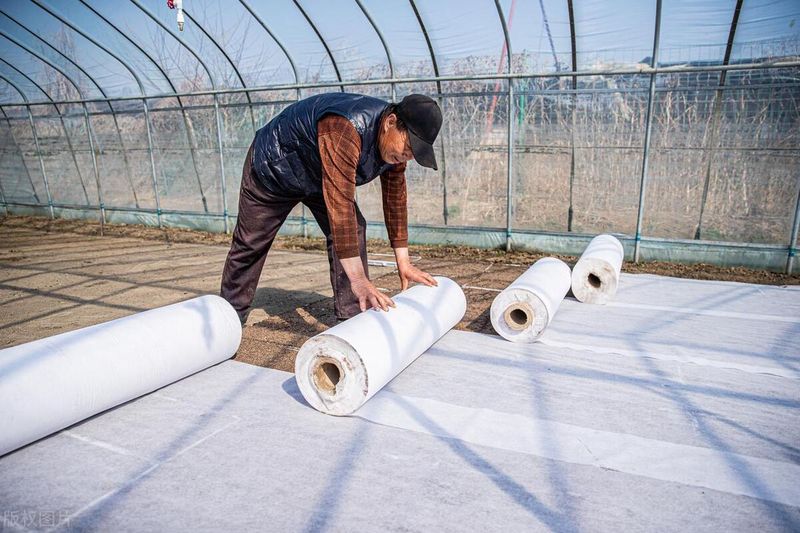
When you learn about time planning, you have to mention another key to the high production of vegetables in the winter shed -- the core techniques of temperature regulation. The mastery of these techniques holds the key to the harvest door。
Heat stratification to reduce heat loss
Warming is the top priority of the winter shed. First of all, the outer layer of protection, with the big sheet membrane combined with the rain-proof snow. The temperature is low at night, covering the temperature, as if it were thick cotton on the shed, which was locked in the heat; the sun came out during the day and the temperature was rolled up to allow the shed to fully bathe in the sun。
And the inner layer can't stagger, with a diaphragm of 20-30 centimetres from the outer membrane, and it's a natural insulation that effectively prevents heat from spreading out。
The ground also has a good way of covering the black membrane, which not only increases the temperature of the ground by 2-3°c, creates a warm environment for the roots of vegetables, but also inhibits weed growth and allows vegetables to grow in a comfortable and “clean” environment。
Precision temperature control, time management
For different vegetables, different time periods, the demand for temperature may vary. In the middle of the day, the most appropriate temperature for eggplant vegetables is 25 - 28°c, and the leaves are 20 - 25°c. Once the temperature exceeds 30°c, the temperature is cooled, or the vegetables will be "hot."。
At night, leaves and vegetables cannot be less than 8°c and eggplants not less than 12°c. If the temperature is too low, the hot stoves, the heating blocks are put in place, and 4 - 6 units per acre are placed, which can serve as an emergency heat supplement。
There are also critical periods, such as flowering seasons, at which the temperature differential between day and night must be kept at 10 - 12 degrees c, or it is easy to fall and affect production。
It's a low-cost, warm move
If you do not want to invest too much, there are good ways to increase the temperature. Like fermentation, digging ditches, filling rice shells and animal dung, mixed at 3:1, they release heat during fermentation, increasing temperature by 1-2 weeks, like burying a warm little bomb in the shed。
The storage of water bags is also a good option by placing black buckets or plastic bags filled with water in the sheds, absorbing the heat from the sun during the day, releasing the heat at night and continuing “heating” the huts。
With these core techniques of temperature regulation, combined with the planning of the time ahead, it's difficult for you to have any high production of vegetables in the winter. In practice, however, there are some details and precautions, which are discussed in more detail below。
Emergency programme for extreme weather

Extreme weather is a challenge that cannot be avoided during the winter season of vegetable production in the shed. However, the losses can be minimized if responses are prepared in advance。
♪ in the middle of nowhere ♪
Inadequate light and increased humidity are two major challenges in the middle of the day. While there is no sunlight, short-term ventilation of 10 - 15 minutes is still required during the day, and this step must not be underestimated. It can effectively remove the draught from the shed and prevent all kinds of diseases caused by high humidity。
There's not enough light. Fill it up. Installation of 1 led plant light per 10m2 to provide daily light to vegetables for 4 - 6 hours to simulate sunlight so that vegetables can perform normal light co-operation even in the dark and sustain the energy needed for growth。
Strong temperature/ snow
The combination of cooling and snowing can pose a double threat to the sheds of cold temperatures and snow pressure. Prior to the onset of severe weather conditions, it is important that the sheds be reinforced in advance and that the stairwells, membranes, etc. Of the sheds be checked to ensure that their structures are secure. The snow is followed by a race for seconds to clean up the snow, which is a race against time, with an additional minute of delay, and an additional point of risk for the shed to collapse。
The heating measures have to be kept up with temporary coverage of grass and old cotton, adding a layer of “protective clothing” to the shed. For eggplant vegetables, a solution called "photophosphate potassium + glucose" can also be sprayed, which is like the injection of an "anti-frozen heart" to the vegetables, which enhances their resistance to freezing and helps them grow in cold conditions。
With these emergency programmes to respond to extreme weather conditions, coupled with the time planning and temperature control techniques mentioned earlier, you will be able to respond more readily to the challenges and move steadily towards a high yield and harvest on the road to growing vegetables in the winter. In addition to these technical points, however, the hidden techniques of temperature and ventilation are equally important, and the following are detailed。
Details of the increase: temperature and the hidden techniques of ventilation
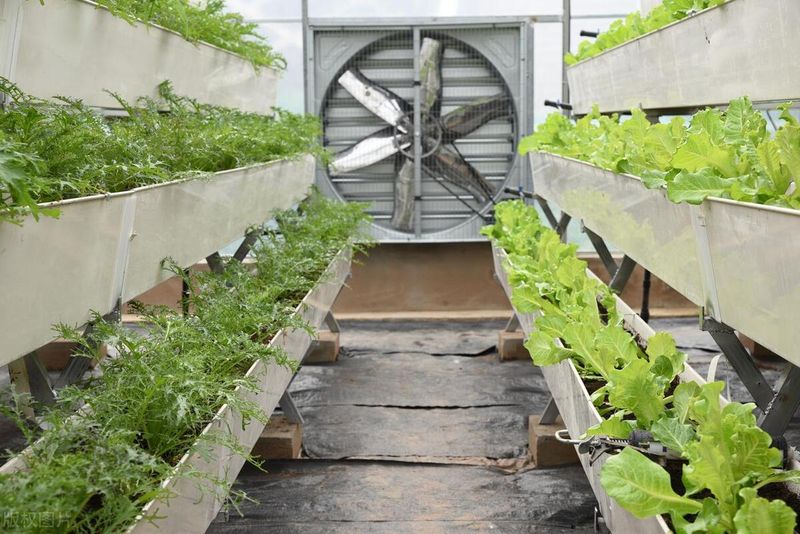
In winter shed vegetable cultivation, in addition to coping with extreme weather, some of the seemingly marginal details of increased production, such as temperature management and scientific ventilation, tend to have unintended effects on vegetable production. These hidden techniques can make your vegetable growing more efficient。
Temperature management
Temperature is the root of vegetable growth, and the right temperature allows the vegetable roots to thrive and absorb more nutrients. It's a good time to improve the soil and warm the ground before it's set. The application of 3 tons of decompressed goat dung per acre, which is like the injection of a dynamic factor into the soil, not only improves the soil structure and makes it more lax, but also slowly releases heat and creates a warm “soil micro-environment” for subsequent vegetable growth。
Cultivation is also highly sophisticated, using high-strength cultivation and 20 centimetres tall. High-strength cultivation increases the temperature by 2 - 3°c, which is a few degrees, as if an extra warm “nub” had been added to the roots of vegetables, which can effectively contribute to their growth and development, with strong roots, which naturally thrive and secure production。
Scientific ventilation
Ventilation is essential for vegetable cultivation in the shed, not only to regulate temperature, but also to control humidity and supplement carbon dioxide. At 10 a. M., the sun rose and the temperature in the shed began to rise, at which point the upper wind vent was opened in time. At first, the air in the shed is slowly flowing, avoiding sudden temperature changes that cause damage to vegetables, and gradually rises as the temperature rises. By 3 p. M., the temperature began to decline, the wind vents were gradually closed and the temperature in the shed remained stable。
In the event of a cloudy weather, the ventilation time has to be adjusted flexibly to a normal one-third. This is due to the fact that the sunlight itself is low, the temperature is low, and excessive ventilation can lead to high wetness and disease in the shed. Reasonable control of venting time allows for both the discharge of moisture and the maintenance of a relatively stable temperature environment in the shed and creates good conditions for vegetable growth。
A new man's guide to hole avoidance

While mastery of the right methods of planting vegetables is important for beginners in the first winter sheds, it is equally important to understand and avoid common misperceptions. The following are the main points of the pit shelter, which can help beginners to make less detours and achieve higher productivity more quickly。
I don't like the water
At low temperatures, the water pours into what is known as the "hidden killer" of vegetable growth. Imagine that in cold weather, cold water flows directly into the vegetable fields, temperatures decline as quickly as on a slide, vegetable roots in low-temperature conditions, the ability to absorb nutrients and moisture is significantly reduced and growth is severely curtailed. The correct approach is to use drip irrigation or membrane-dark irrigation techniques, which can accurately divert water around the vegetable root system, saving water while maintaining temperature stability; and submural-drink irrigation, which, after covering the membrane, transports water through a pipe to the submural, reduces water evaporation and lowers evaporation in the shed, while avoiding sudden warming and creating a warm and comfortable growth environment for the vegetable root system。
I'm afraid the shed will warm up
Some newcomers have chosen to suffocate for long periods of time in order to rapidly raise the temperature in the shed, a practice that is inexhaustible. The long-term lack of ventilation in the sheds, such as a steam cage with no air flow and increasing humidity, provides a hotbed for the breeding of diseases such as grey disease. Once sick, vegetable leaves, flowers and fruits are affected, with serious effects on yields and quality. Therefore, no matter how cold, fresh air is to be ventilated at least once a day, allowing fresh air to enter the shed, taking wet and harmful gases, keeping the air in the shed fresh and containing the disease。
You're blind
When exposed to freezing, newcomers tend to panic, and the first reaction is blind replanting. In this case, however, it would be wiser to calm down and scrutinize the plant. Precedence is given to the recovery of well-established plants, because they are fundamental to plant growth, and as long as they are healthy, they are likely to recover. For damaged branches, they are to be cut off in time to avoid their continued consumption of plant nutrients. The spray of ethrin, which is like a plant's “restoration apparatus”, enhances the resistance of plants, promotes cell division and growth, helps plant plants quickly repair damaged tissues and regenerate the generator。
Avoiding these common pits, newers can make it easier to grow vegetables in winter. However, there are also outbreaks in the field, such as pest control and the rational use of fertilizers, which are followed by further sharing of practical experience in these areas。
Co-management of “temperature, light and humidity” is a top priority in order to achieve a high level of production in winter. The temperature layer is maintained to provide a full-scale heating line to the shed to reduce the loss of heat; the temperature is controlled with precision, time-time and vegetable varieties are regulated to meet the needs of different stages of growth; and, in the face of extreme weather, there are well-developed emergency treatment techniques to smooth the vegetables through. When technology matures and reaches high-value fruit-planting, freshmen can easily double the revenues from acre production。
It is believed that people must have their own unique experience and insight in the actual planting process. Let's share it in the comment area, let's talk, let's move forward, and grow our vegetables in the winter