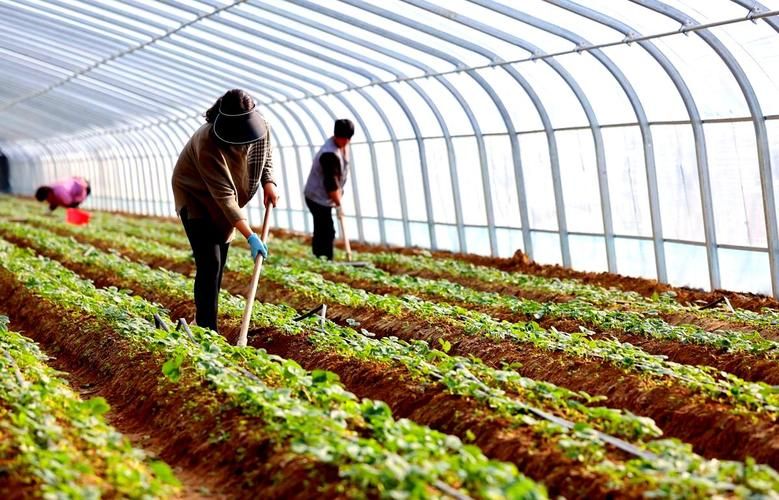
During the winter seasons, the vegetable growing techniques of the sheds were cold and provided an effective means of securing the supply of vegetables and increasing their production. This paper will provide detailed information on key technologies for vegetable cultivation in winter, including varieties selection, nursery techniques, environmental control, pest control and harvesting and storage, aimed at providing professional and practical technical guidance to a wide range of vegetable growers. The selection of varieties for the winter gardening should be based on varieties that are cold, weak and have short growth cycles. Tomatoes, for example, can choose " powdered " , " gold sheds " , " cucumbers " , " chili " , etc. At the same time, market demand and consumer preferences should be taken into account and appropriate varieties selected. The nursery technology should be applied to the winter nursery technology to ensure that the bed temperature is appropriate. Commonly used methods of breeding are nutrient-breeding and den-breeding, which are suitable for well-developed vegetables, while den-breeding is suitable for weaker vegetables. Care should be taken to water, fertilize and humidize the nursery and to combat the disease during the nursery period. The key to environmental control of vegetable cultivation in the winter sheds is control of temperature and light. The temperature in the shed is stabilized to prevent freezing through measures such as covering warm materials and installing heating equipment. At the same time, vents should be rationalized, properly ventilated, so as to reduce the humidity in the shed and the incidence of disease. In the area of light, the shrubs should be kept clean, with increased light penetration and, where necessary, artificial light-up. Insects and pests are vulnerable to pests and pests in the winter sheds, and integrated interventions are needed. First, field management should be strengthened to keep the shed clean and reduce the breeding environment for pests and diseases. Second, rational use of pesticides, be careful of safety intervals and avoid pesticide residues. In addition, biological and physical control methods, such as the release of natural insects and the use of cedar baits, can be used. Collecting and storing vegetables should be done in a timely manner when they mature, avoiding over-cooked effects on quality. Appropriate harvesting tools and methods should be chosen to preserve the integrity and freshness of vegetables, depending on their characteristics. For vegetables to be stored, suitable storage conditions, such as temperature, humidity, etc., should be selected according to their durability in order to extend the shelf life. For example, in the case of tomatoes, cold-resistant varieties should be chosen in the case of shed cultivation, with nutrient seedlings, control of nursery temperature at 20-25°c, maintenance of temperature at not less than 10°c in the room, proper ventilation, control of humidity at 70-80%, use of insecticide-resistant nets and yellowboards to combat pests and pests, timely harvesting after maturity, storage temperature at 10-15°c and relative humidity at 85-90%. Summarizing the winter vegetable growing techniques is a complex system project that requires a combination of crop selection, nursery techniques, environmental control, pest control and harvesting storage. Through scientific management, the production and quality of vegetables can be effectively improved and a stable supply of winter vegetables achieved. # in winter, vegetable-planting techniques are cold, and vegetable-planting techniques provide people with fresh and diverse options. This paper will provide detailed information on the technical aspects of the use of sheds for vegetable cultivation during the winter, including the selection of suitable vegetable types, the construction of shed structures, temperature control, water management, pest control and so forth. The appropriate vegetable species are cold-resistant and glyphs, such as spinach, lettuce, and so forth, which can grow at lower temperatures. Root vegetables, such as carrots, carrots, onions, etc., are more chill-resistant. Heated vegetables such as tomato, eggplant, etc., require high temperatures and are suitable for growing in large sheds. Quacucumbers, pumpkins, etc., are subject to higher temperatures and can be grown through large-steal protection measures. The structure of the sheds provides sites and plans for the selection of areas to be turned back to the sun in order to reduce the winter cold. The size and quantity of the shed are planned on the basis of the area under cultivation and the type of vegetables to be grown. The material chooses to use a plastic film that is luminous, ageing-resistant and tensile-intensive as a cover material. Solid steel tubes or bamboo are used as skeleton material for the shed. The build-up technique uses double or multi-film cover to enhance temperature protection. Set up vents to release excess heat when the temperature is too high. Temperature control measures provide membranes to reduce the dispersion of soil heat. (c) the use of warmth or grass curtains to cover the huts and keep them warm at night. Heating equipment, such as heating wires and heaters, can provide additional heat at low temperatures. Watch out for safe use and avoid fire hazards. Water management irrigation systems are equipped with drip irrigation or spraying systems to save water and ensure even irrigation. The irrigation time is rationalized based on soil moisture and vegetable growth needs. The water balance maintains the appropriate moisture content of the soil, avoiding overwetting or drying. Water evaporation can be reduced by coverings or weeds. Pest control organisms use natural insects or microbes to control pests, such as the introduction of ladyworms to combat aphids. Plant-based pesticides such as pepper and garlic juice are used to reduce the use of chemical pesticides. Physical control attracts pests by use of decoy boards such as cedars, blue plates and then concentrates on destruction. Keep the shed clean, clear leaves and fruit in time and reduce the source of the disease. Sound fertilization in nutrition management is based on the demand for vegetable growth, with scientific application of organic and fertilizer. Note the rational ratio of nitrogen, phosphorus and potassium to avoid environmental pollution due to excessive fertilization. Leaf spray is used when necessary to supplement the trace elements required for vegetable growth. Select to take place in the evening or in the dark to reduce water evaporation. Harvests and storages are harvested in due time, according to the growth cycle and maturity of vegetables. Be careful not to damage vegetables during harvests for storage and sale. Storage techniques use such facilities as cellars and cold storage to maintain appropriate humidity. For different vegetables, appropriate storage methods such as bundling, storage, etc. Case analysis of the selection of tomato varieties for the tomato shed: cold-resistant varieties suitable for winter cultivation. Barrack structure: double membrane coverage, ventilation and heating. Temperature control: 20-25°c during the day and not less than 10°c at night. Water management: the application of drip irrigation systems to maintain soil moisture. Pest and pest control: periodic inspections and timely treatment of pests and diseases. Nutritional management: application of organic fertilizer, timely leaf spray. Harvest and storage: mature harvests stored in cold storage. As a result of the above-mentioned measures, tomato sheds have achieved good yields and quality in the winter, providing fresh and healthy tomatoes to the market. Summarizing the techniques of vegetable growing in the winter shed is a complex exercise that requires a combination of temperature, humidity, pest control and nutrition management. Only through sound management can high-quality vegetables be grown in cold winters to meet market demand. # the introduction to vegetable growing techniques in the winter is that in the cold winter, vegetable cultivation techniques in the sheds provide people with fresh and diverse vegetable choices. This paper will provide detailed information on how vegetables are grown in the winters using the sheds to ensure their normal growth and harvest. The selection of suitable and cold-resistant varieties of vegetables, such as kale, spinach, and sorghum, is crucial. These vegetables grow at lower temperatures and are suitable for winter planting. Heated vegetables, such as eggplants and peppers, can adapt to the environment in the shed by covering warm materials and increasing light. Soil preparation and fertilizing soil quality ensure soil fertility, good structure and ph appropriate. Soil quality can be improved by adding organic fertilizers and adjusting soil alkalinity. Scientific fertilizer is applied rationally to fertilizers such as nitrogen, phosphorus and potassium, depending on the growth needs of vegetables. At the same time, the micronutrients required for vegetables can be supplemented by leaf spray. Temperature and humidity management temperature control maintains the appropriate temperature in the shed by covering the temperature-preservation material, installing heating equipment, etc. Generally, the appropriate temperature for vegetable growth is between 10 and 20 degrees celsius. The high humidity control can lead to the occurrence of vegetable diseases, and therefore the humidity needs to be regulated through ventilation, covering of dry materials, etc. Generally, the appropriate humidity of vegetables is between 60 and 80 per cent. The hydro-management irrigation system establishes an efficient integrated irrigation system for hydro-fertilizers, which is rationally irrigated according to the demand for vegetable growth and soil moisture. Irrigation is used to reduce water evaporation and improve irrigation efficiency, including by dripping or spraying. Pest and pest prevention measures maintain hygiene in the sheds, eliminate leaves and strains in a timely manner and reduce the spread of pests and diseases. Biological control uses biological pesticides or introduces natural insects for pest control. Photo-management photo-intensity ensures adequate light for vegetables through rational shed design. Additional light intensity can be achieved through the use of auxiliary lighting such as reflector film and led patches. Lighttime is maintained for 10-12 hours per day to promote vegetable growth. Harvests and storages are harvested in due time, according to the maturity of vegetables and market demand. Early or late harvests affect the quality and production of vegetables. For post-harvest vegetables, suitable storage conditions, such as temperature, humidity, etc., should be selected according to their characteristics to extend the shelf life. The conclusion is that even in cold winters, with sound planting techniques, the vegetables can thrive. It is hoped that this paper will provide useful reference and guidance for a wide range of vegetable growers。