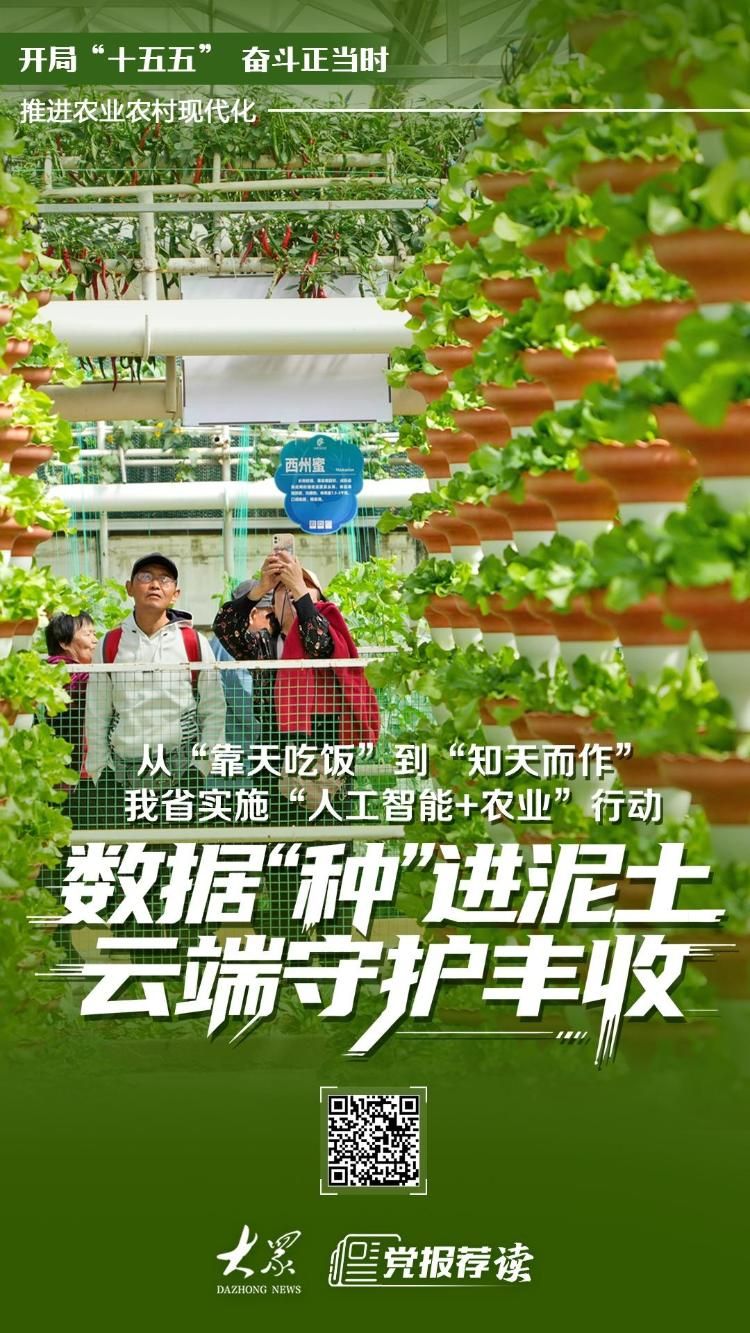
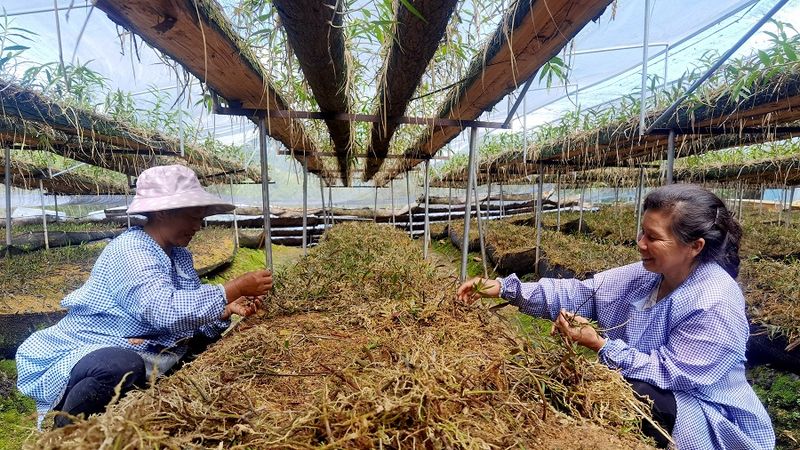
It is a busy season for vegetable production. Vegetables, especially fruit and vegetables, have long reproductive periods and high yields, and during long periods of growth, not only the low temperatures in the outdoor atmosphere but also the frequent occurrence of freezing and haze weather, which alters the conditions for the provision of sunlight, temperature and moisture in the shed, while affecting the growth status of vegetables and increasing the difficulty of management of cultivation。
The management techniques for the winter canteens:
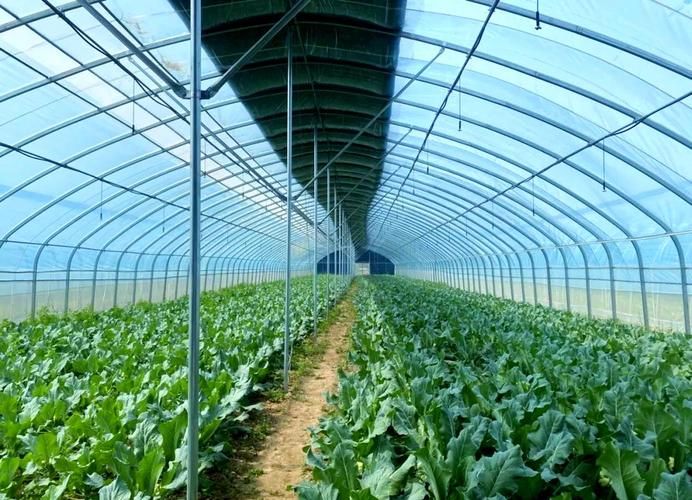
First, focus on organic fertilizers: only by mixing large amounts of organic fertilizers into the soil, improving the soil properties of the roots, being well structured and buffering, will it be possible to facilitate the extension of the roots of vegetables, improve soil conservation and fertility, reduce nutrient loss and increase fertilizer utilization through frequent irrigation. The application of organic fertilizer is not to be small, with a general usage of 5-10 acre。
Water management depends on the availability of seedlings during the winter season period for fruit and vegetables in the sheds, and the drying of the tops encourages the laying of roots, so that the growth rate can be stabilized with less water, which is controlled by the water, which is long enough to allow proper ventilation and exercise during the good weather. It is important to irrigate after the end of the outcome period, each of which takes place in the light of the weather, in the absence of water in the middle of the day, and in the absence of water in cold-flowing attacks, which can significantly reduce soil temperature and affect the growth of vegetables and the release of soil nutrients. In the same day, the water will have to wait until the sun comes out. Water injection during the outcome period is generally synchronized with the pursuit of fertilizers and integrated with water fertilizers。
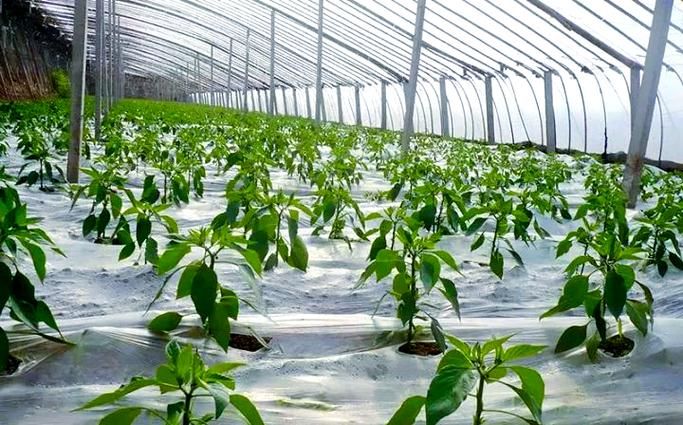
Iii. Co-appliance application of base fats: the base fats should be applied in depth at an appropriate level of three kpm (approximately 30 kg/acre) based on organic fertilizers. Nitrogen, phosphorus and potassium refertilizers should be moderate, not to highlight nitrogen fertilizer, and not to select high nitrogen complex fats, even without organic fertilizer, which not only impotence but may also cause such symptoms as tomato umbilical disease. Single nitrogen fertilizers with calcium and potassium sulphate or potassium chloride may also be used in addition to compound fertilizer. Micro-acid soil areas are selected for phosphates, which are better than other phosphorous fertilizers。
Vegetables have a long time to harvest and require complementary nutrients to meet the need for sustained flowering. Therefore, it is also important to pursue fertilizer, which is based on a small number of principles, mainly nitrogen and potassium. Nitrogen does not exceed 5 kg at a time, and fatty water is integrated. During the fertilization period, the cedars of the estuarine fertilizers, and the fertilizers of the second and third estuarine fertilizers; after the fertilization period, the root causes decline in the inhaling capacity, both for nitrogen and potassium fattening, and for water soluble fattening of components such as potassium phosphate, calcium nitrate or calcium chloride, and bolins. In order to ensure the later growth of the fruit, to reduce the incidence of physical diseases and to improve the quality of the fruit。
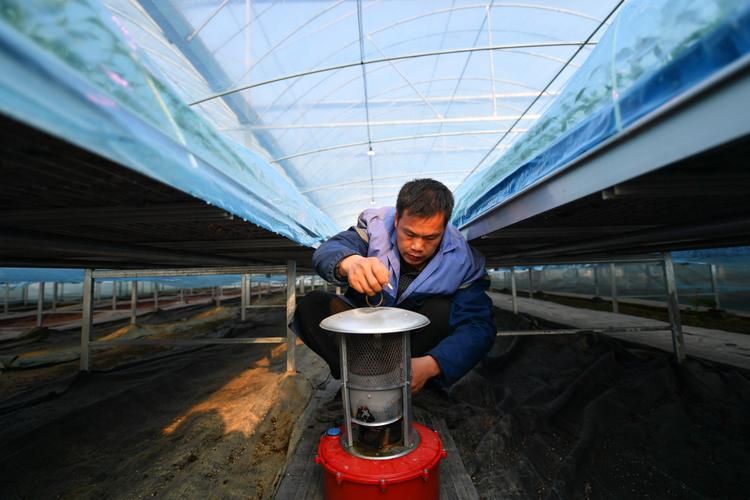
Iv. Supplementation of moderately trace elements: in the production of vegetables in high-yielding and new vegetable gardens, due attention should be paid to the supplementation of moderately trace fertilizers, as the demand for nutrients such as calcium, magnesium and boron is greater, and the incidence of fissures has increased in recent years, in addition to the common tomato `crystalosis', and the vulnerability of vegetable vegetables to physical diseases such as fissures and morbidity affects the quality of the product, for which appropriate application of moderately trace fertilizer is feasible in the medium and later stages of vegetable growth. The main nutrients are calcium, boron, magnesium, zinc, etc. Depending on the degree of deficiency, different methods are used for out-posting or earth application. Fertilizer varieties may be single or composite, but not fully completed, where fertilizer is less targeted and the effects are not clear, and fertilizer types may be liquid or solid。
In order to maintain a good and steady growth of vegetables in the shed, the management of hydrofertilizers is particularly important, in addition to first regulating and maintaining the right temperature。