The current period, which is the lowest in a year, is compounded by the heavy rains and snowfalls this winter, the high incidence of cold air activity and the high temperature fluctuations, which have a significant impact on the production of various types of vegetables. In order to ensure the safe growth of vegetables and prevent their freezing and damage to the sheds, the vegetable bases concerned and the large number of vegetable farmers must take active measures to prevent the loss of vegetable production and ensure a stable supply of vegetables markets and a safe winter season for early spring seedlings. Cyona offers technical advice to strengthen management of winter vegetable cultivation:
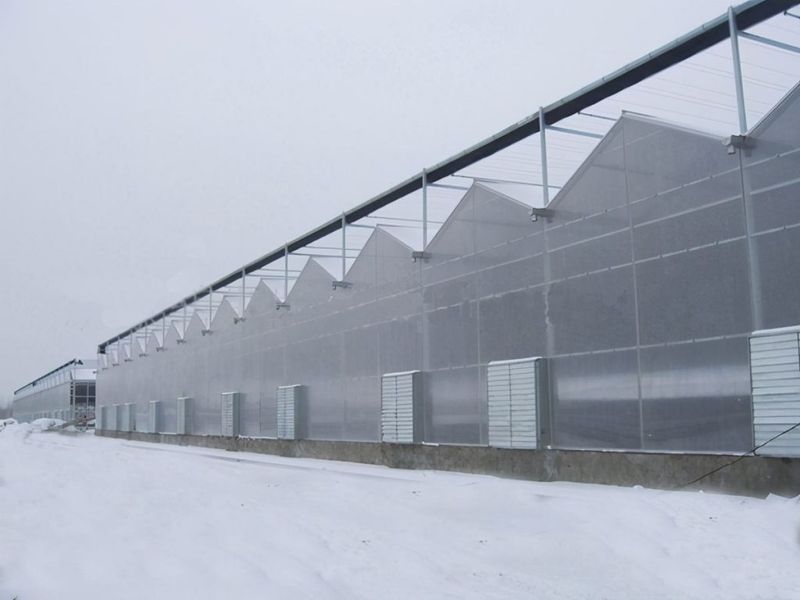
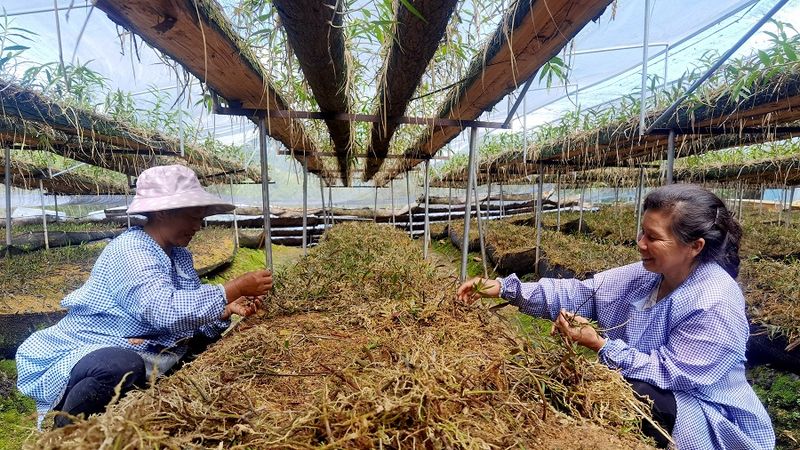
First, inspection and reinforcement of the sheds to prevent the destruction of the film and the freezing of vegetables in the facilities. The lids should be reinforced for all of the sheds, so as to increase their temperature protection and effectiveness. In the event of snowfall, the snow should be cleaned from the roof of the shed in a timely manner, so as to avoid snowing over the shed, to strengthen the shed, to prevent the snow from tearing up the sheeting, to bind the broken membrane, and to improve its resistance to the snow。
Ii. Freezing. Keep an eye on weather changes and take early and effective measures before the onset of cold, rain, snow and rain. Young seedlings such as eggplant fruit and green leaf vegetables in the sheds must be covered by membranes + small arches + many layers in the mezzanines, and, where possible, by sunnets, grassbags, etc., to ensure that they are not frozen. The field management of open-field vegetables (especially leaves and vegetables) should be strengthened to protect against cold, which can be protected by covering warm materials such as straw, film or organic fertilizer. In the case of perennial vegetables such as beryllium, winter is a period of fertilisation based on organic fertilisation combined with deep cultivation to improve soil fertility。
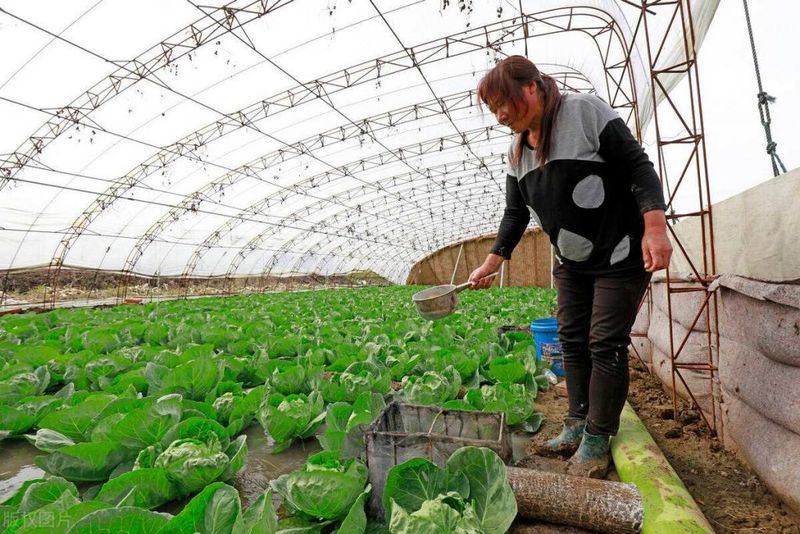
Iii. Improved water management, timely discharge of ditches and reduced humidity of vegetable fields. Vegetables in the shed need to control the watering and routing of the field to deepen the ditches so that the vegetable fields do not accumulate water after the rain and so as to prevent stains from being caused by the drain. After the rain and snow have passed, open vegetables need to be drained in a timely manner, so as to reduce the humidity of the fields and prevent flooding and disease caused by the lack of drainage。
Iv. Enhance ventilation and light management. Vegetables in the shed should be properly ventilated around midday, pre-planted before planting, and selected for planting on the morning of the sun with a warm tail. In the case of vegetable seedlings in the sheds and those that have abated, the light should gradually be lifted to prevent injury. Surface vegetables should be removed in time for normal growth in the weather。
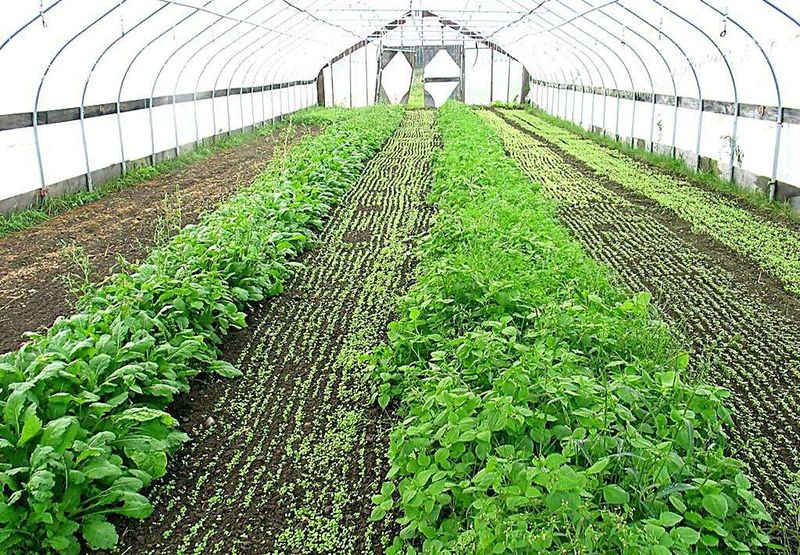
V. Care to combat the disease. At present, the main diseases of vegetables are precipitous disease, adhesive disease, froste, assay disease, fungal disease, etc. (a) prevention and control: 1 is to strengthen water management and to prevent diseases by controlling them with wet water, so that the seedling period can dry up the soil in the bed; the second is the timely removal of strains, the use of aerosols or medicines to prevent disease, and the selection of pesticides such as polymix, virulent, 72 per cent frosted manganese zinc (clu, quench, circa), polycinin (pooxyacinin), remoxin (redomir, methadrin) and so forth。
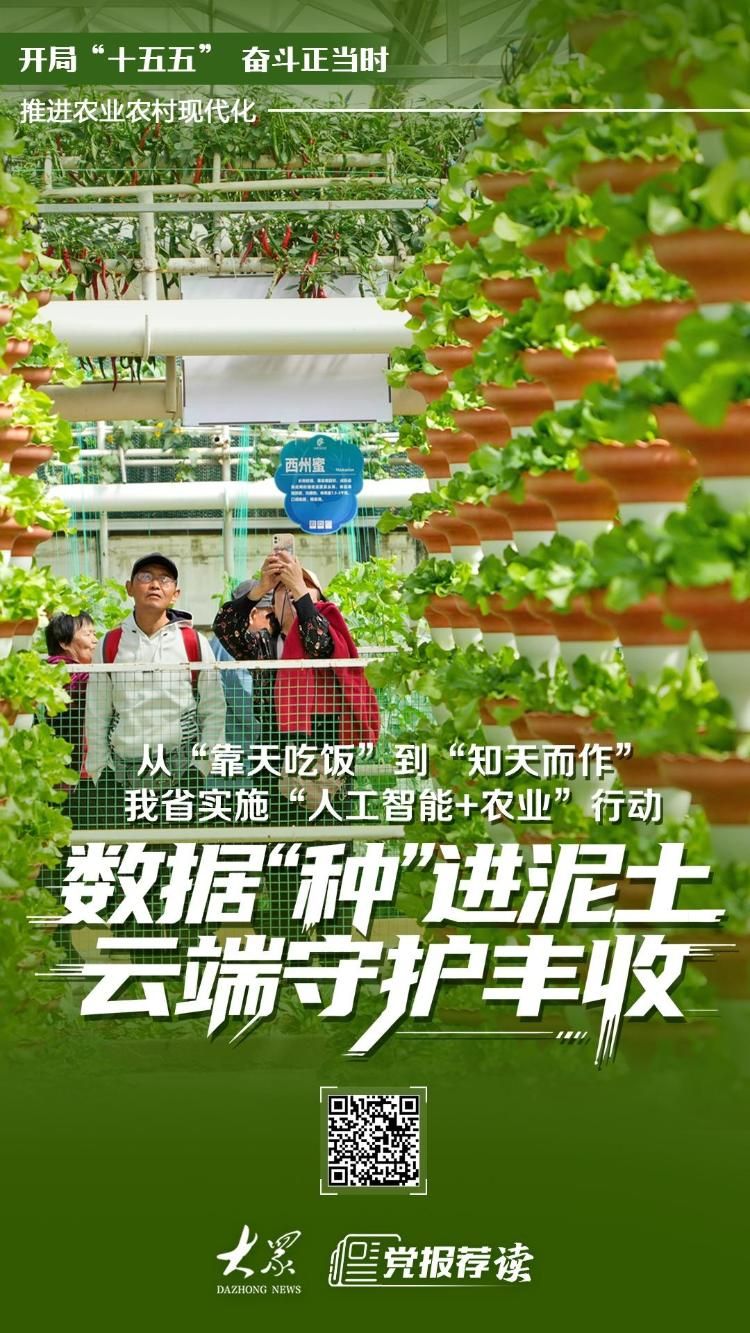
In order to improve the efficiency of the management of greenhouse sheds, the conglomerate has introduced a smart greenhouse system, based on the installed greenhouses, linking the management of greenhouses with the use of such technologies as networked materials, wireless communications, automatic detection, automatic ventilation, automatic irrigation, automatic fertilization, automatic lighting, etc., smart management of the shed environment, optimal growth conditions for adequate crops, regulation of the greenhouse climate, and promotion of the quality of their cultivation。
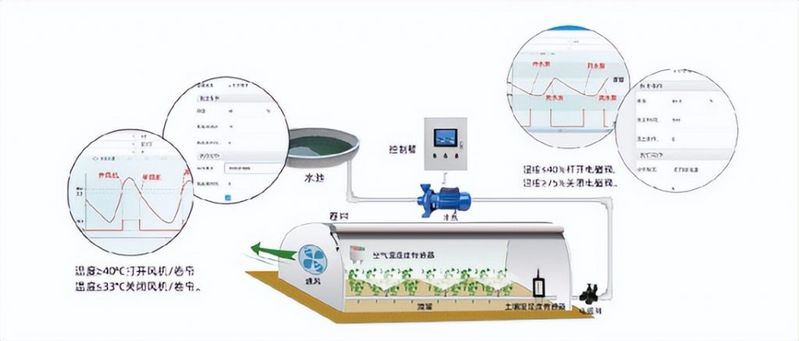
Wisdom greenhouse systems support manual, automated and remote controls, which can be interchangeable。
Remote control: the operator can operate the switch on any networked cloud platform terminal, whenever and wherever it is located;
Manual control: manual manipulation of control cabinets, mostly for emergency situations;
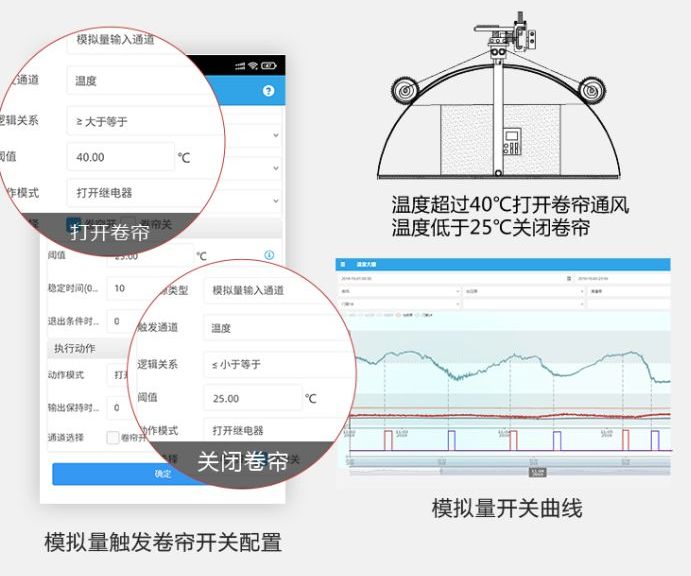
Automatic control: the setting of greenhouse tower management strategies on cloud platforms, real-time monitoring of data based on sensor data, and the setting of environmental range values to achieve switches for automated operating equipment. For example, it is set to open wind machine curtain cooling systems at 30 degrees internal temperature and to close wind machine curtain cooling systems at less than 20 degrees. Then the wind engine curtains will automatically open when the temperature reaches 30 degrees. The wind engine water curtains are automatically closed when temperature is reduced to 20 degrees. To save 80 per cent of the labour management costs and increase the scientific content and accuracy of planting。
House management greenhouse management
Https://ny. Juyingele. Com/news/12208. HTML