Central democratic republic of the congo
The market for data elements is still in its infancy and data transactions are faced with problems of “accessibility, pricing, supply, compliance, application, regulation”. In response, it was recommended that a national integrated data element registration system be established, that the establishment of data certainty systems centred on data property rights be accelerated; that data diversification pricing models be established, with data asset assessment centres such as the open data innovation laboratory; that open sharing and development of data resources be encouraged, and public data authorization operational mechanisms be strengthened; that the capacity of data providers and third-party service providers be developed to enhance data flow and trade-wide services; that the system of rules for data cross-border flows be improved and active participation in global cross-border data flow rule-making be strengthened; and that a system of governance for data transactional flows be built and coordinated regulation put in place。
Central construction: the role of intellectual property as a catalyst for innovative development
Intellectual property is an important element of an enterprise's intangible assets. The promotion of the full realization of the elements of intellectual property rights (ipr) is essential for promoting the innovative development of smes. At present, most of our smes are under-performing in terms of intellectual property elements: the level of intellectual property development of smes themselves needs to be improved; support systems for the provision of precision intellectual property services for smes are inadequate; and the value of intellectual property for smes is difficult to convert。
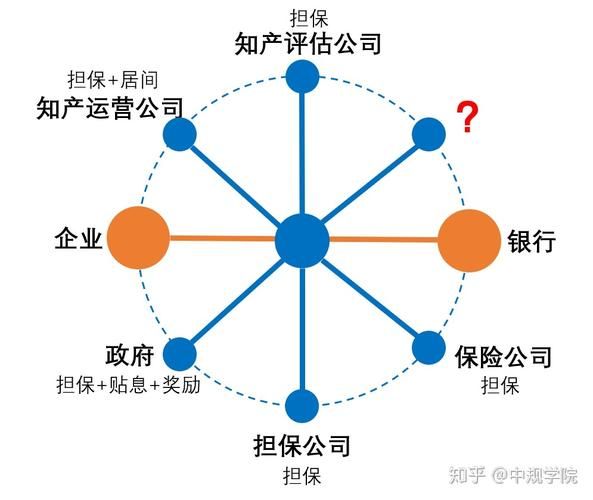
In this regard, it was suggested that support be directed towards upgrading the sti intensity of smes; strengthening public and market-based ip services for smes; promoting the deeper integration of intellectual property resource production for smes; and supporting smes in broadening their access to finance, including through the securitization of intellectual property. Specific initiatives include: support for the orientation of small and medium-sized enterprises (smes) to the development of patent layouts for their industries, including through public service platforms for intellectual property rights and the procurement of high-quality patent data tools; the upgrading of research and development indicators to include high-quality intellectual property acquisition as a subject of science and technology, innovation capacity-building in higher education and key performance indicators for sme development; the development of collaborative mechanisms for the protection of the intellectual property rights of smes; support for the establishment of small and medium-sized enterprises (smes) intellectual property services, such as national public demonstration platforms for smes, and the introduction of intellectual property services at all levels, leading to a multi-level, comprehensive and focused system of intellectual property services; and high standards for the development of intellectual property operations platforms and the improvement of intellectual property financial support systems。
Central people's access: strengthening the control of short video dissemination of knowledge
In recent years, there has been an increase in the dissemination of knowledge-based videos, but their copyright issues have been prominent and difficult to resolve. In this regard, it was suggested that a short video intellectual property protection system and a cross-platform short video complaint mechanism be established to safeguard the legitimate rights and interests of creators; that clear short video copy determination provisions be developed to provide a systemic basis for platforms, institutions and individuals to deal with short video copying issues, such as unauthorized clippings, specific identification criteria for copying others' works, etc.; that a personal credit system for web platforms be established to include multiple serious copying of short video content from others and to enhance disciplinary effectiveness; and that the platform be urged to improve the short video content review mechanism, to strictly close the video content, to require the platform to remove in a timely manner videos containing false scientific and misleading statements, and to treat the creators concerned with warning, restrictions on publication, closure of accounts and legal accountability, depending on the circumstances; and to establish a joint liability mechanism for “who reviews, who is responsible”, which imposes adverse social consequences on the content of the short video platform, and to hold the platform accountable。
To the central party of the public party: to improve the system of support for non-removable subjects

Intangible cultural heritage is an important vehicle of china's excellent traditional culture, accompanied by the development of the conservation of intangible cultural heritage, the law on intangible cultural heritage and its associated legal norms, which no longer meet the practical requirements for the protection of intangible cultural heritage, the lack of implementing regulations for non-incorporated cultural heritage and the inadequacy of the accompanying legal regime。
In this regard, it is recommended that the non-inheritance projects and specific implementing rules such as methods, processes and time limits for the identification of non-inherents should be further clarified to make the non-inherent law more authentic; that judicial remedies, such as administrative review and administrative litigation, be introduced, thereby changing the current situation, which places too much emphasis on the leading role of the government as a firm legal basis for the administration of the law; that the beneficial elements of the country's intellectual property legal system be actively drawn upon and utilized to define the right to intangible cultural heritage as a new type of civil right, to identify non-inherent subjects of rights, to construct a special law on non-incorporate intellectual property and to bring about an innovation in our system of legal protection of intangible cultural heritage; and that a system for assessing the value of intangible cultural heritage be established to provide a legal basis for the assessment of the value of non-material cultural heritage in the context of licensing, pledge financing, and liability recovery. (reporter, willow, clean)