On the investment table, many newcomers tend to be pinned with “no idea where the money should go”。
And if you're spending every day on micro-intelligence, or paying for the balance of the treasure, this short text only takes you three minutes. Take the bottom book of the imf and take you out of the high-yield financial trap of "disguised living money."。
Asset positioning: it is not a financial tool but a “cash substitute”
You may find it strange to bring up the imf。
But you'll be very familiar with balance, change and profit。
The greatest advantage of such products is the flexibility of funds, but the essence of these living instruments is in fact the imf。
We see very low returns on such products, possibly only a few cents a day。
But this is precisely what it is worth, not to forget the rigid principle of investment markets — low returns versus low risks。
In our asset chart, imf naturally has two core steel prints:
Foreclosures are extremely flexible: they are readily available for almost cash use; volatility is minimal: although nominally an investment product, it is extremely difficult to lose。

Why can it be steady and fast
Look at its bottom book and you'll see。
The fund's management team would never dare to take the money raised by the imf to sell。
This money can only be invested in products such as bank deposits, large bills and short-term national debt for up to a year。
While the returns on such assets are low, they are highly liquid and at very low risk of default。
Thus, the essence of imf is “cash substitutes”。
Its primary task is to help us maintain mobility, not to fight for added value。
️ trap alert: alert to the high-yield temptation of "disguised living money"
You must always see a bullet window when you use the balance or change:
"invite you to upgrade the enjoyment, the rate of return from 1. X per cent has risen sharply to 3. 5 per cent or even 4. 7 per cent."。
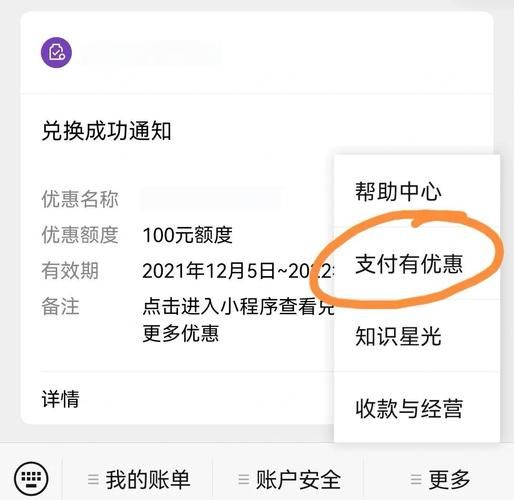
Wake up, there's no free lunch。
As an accounting businessman, your first reaction to seeing this burgeoning product should be:
The bottom asset must have changed。
If you look carefully at the fund's files behind the promotion agreements, you find:
Once the nature of the asset changes, the rules of the game change。
The net value of the bond fund is volatile, and it really loses money when market conditions are bad
The medium- and long-term items of property are often in a “closed” period that cannot be redeemed when you are in dire need of money。
For these 1-2 per cent interest rate differentials, locking up any contingency money that is needed at any time in products that are at risk of loss or undiscountable is considered to be “risk-to-return imbalance”。
My books: the distribution plan for the ammunition depot
In my trade logic, funds have to do their part。
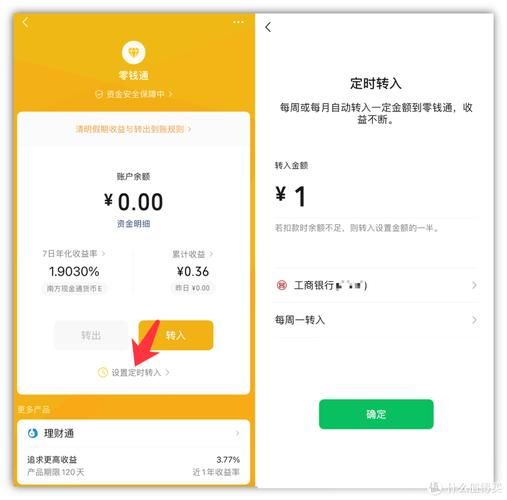
“alternative cash flows” (generally recommended provision for three to six months of living) for routine expenses and emergency response。
I will not release this money on bank term deposits and will never touch high-risk products。
The rational approach is to put it directly in the imf (balances/zero change)。
Investment is an enduring war。
Cash goes to cash, game goes to game。
Using the imf as the last line of defense for money, you have the strength to catch big fish in other high-yielding investments, such as equities。
The next part of the fund's commons series, we're on the real investment threshold。
Please look forward to dismantling the bond fund that's "disguised as living money" and that's going to make it work。
️: if you think this article will help your books, you're welcome to forward it to your friends who are blindly pursuing “high-income living”. On the way to the deal, we'll settle the score。