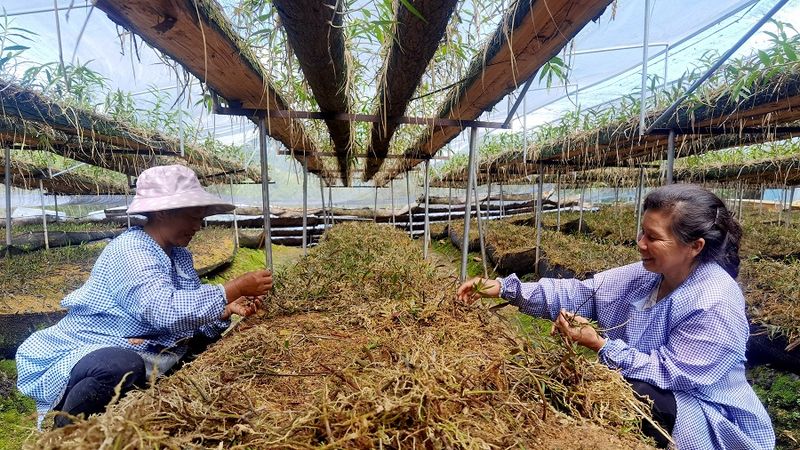
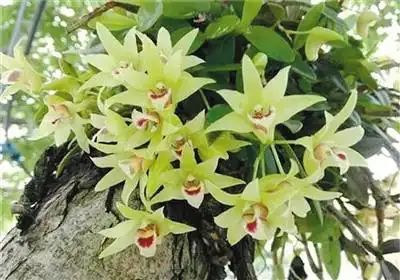
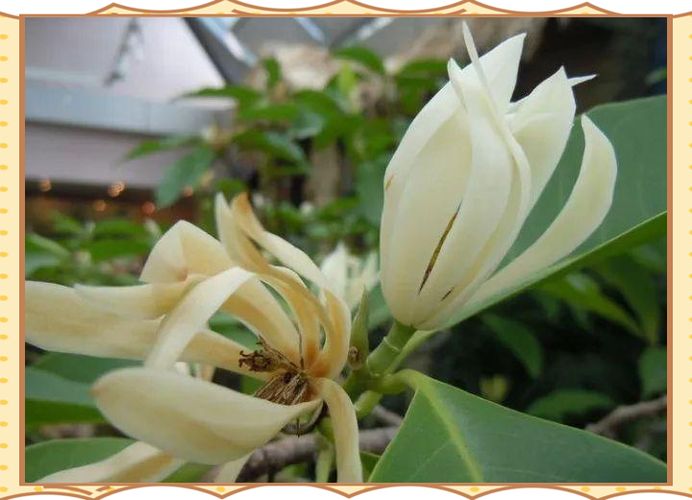
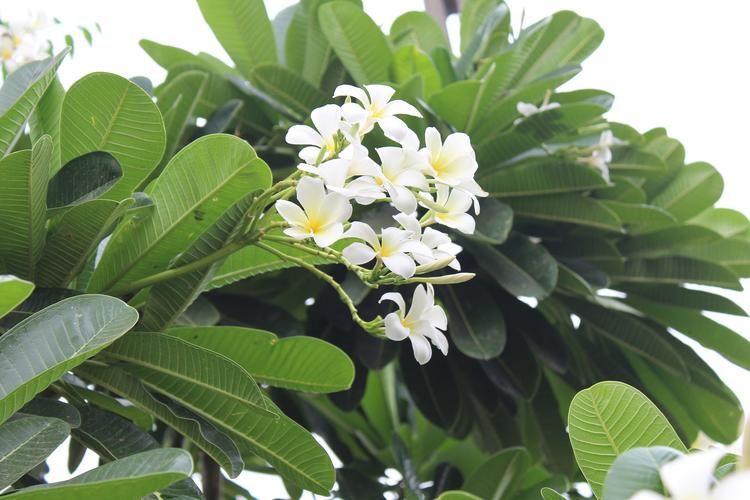
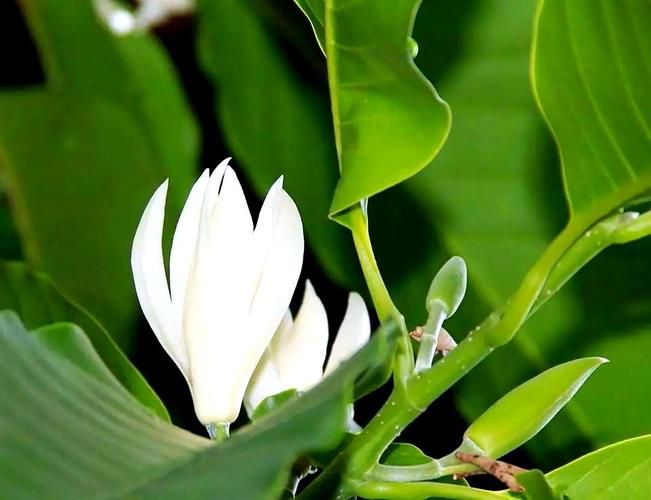
The yellow orchid, also known as the platinum orchid, is a common view of flowers, which many of their friends love because they are white and fragrance. It is suitable not only for gardening but also for indoor pellets. The following is a summary and tabular presentation of the salient points of yellow curan farming from the selection of species, soil, light, water, fertilisation, shearing, etc。
I. Summary of the highlights of yellow zoltan farming
1. Selection and selection of species
The selection of healthy, pest-free plants or seeds is recommended for purchase of locally adapted varieties such as “white jade” or “soft jade” for later management。
Soil requirements
Yellow zolin, which likes lax and well-drained micro-acid soils, can be made from a mix of foliage, garden and river sand at 4:3。
3. Light conditions
The yellow sun requires direct light for at least six hours a day, but in the summer it needs to be properly covered to avoid the sun。
4. Water-water management
The soil is wet for long periods, but water is not allowed to accumulate. The spring or autumn festival can be watered once a week, the summer can increase to 2-3 times and the winter can be reduced to biweekly。
5. Fertilization methods
Long-term application of downblended organic or compound fertilizers and pre-flower application of potassium phosphorus to promote flowering。
6. Shearing and plasticization
Regularly trim the dead branches, the sick branches and the twigs in order to keep them luminous, promote new growth and improve the quality of flowers。
7. Protection in winter
Temperature below 5°c in winter should be moved indoors to keep temperatures between 5 and 10°c to avoid freezing。
8. Pest management
Common diseases include anthrax, folic spectrosis, etc., which can be prevented by multibacterium or enzyme; pests such as aphids, red spiders can be sprayed with aphids or avil。
Ii. Comparative table of the main points of yellow tan farming
Cultivation
Conservation elements
Selection
Choose healthy strains or adaptable varieties, such as “white jade”, “separate”。
Soil
Loose, well-drained, micro-acid, often foliage + garden + river sand (4:3:3)。
Light
Direct light for more than six hours per day and appropriate shade during the summer。
Water
Stay humid for long periods of time, 2-3 summers/weeks and biweekly winters。
Fertilizing
Long-term monthly thinning of organic or compound fertilizers and increased application of potassium phosphate before flowers。
Cut
Regularly trim the dead branch, the sick branch, the clitoris and keep the ventilation light。
Winter protection
Move into the room at winter temperatures below 5°c and maintain 5-10°c。
Pest control
Multibacterium, bacillus, amphibian and avimoxin are commonly used for disease prevention。
Iii. Payers
- the winter management needs special attention in the northern part of the country。
- cut flowers in time for the next flower。
- avoid frequent movement of positions so as not to affect growth and flowering。
Through scientifically sound conservation, the yellow hyena can be green and blooming, and it is an ideal plant for family greening and gardening。