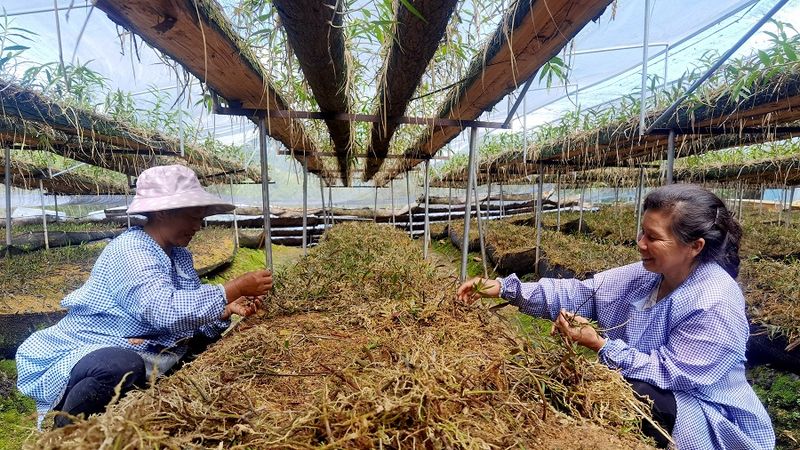
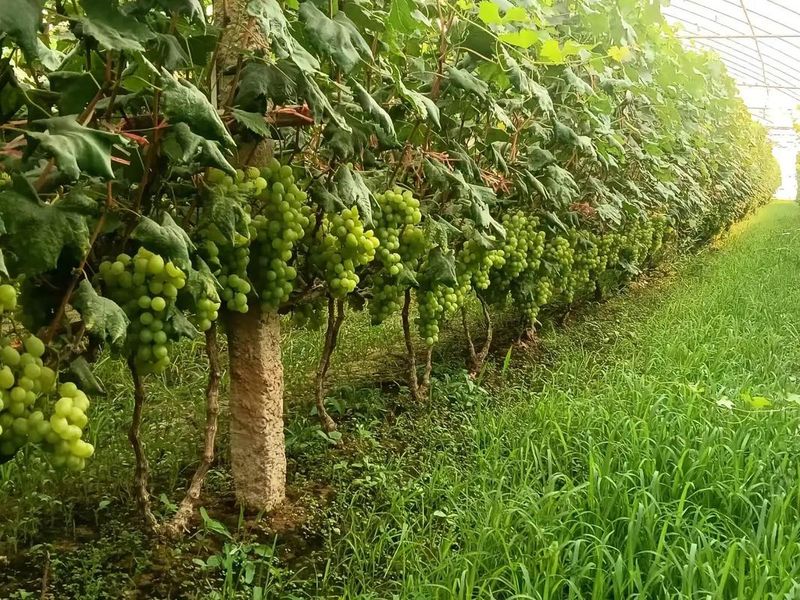
Grapes make one of the fruits common to our daily lives, and recently, with the arrival of summer, when grapes enter the production cycle, which is also a special period for grapes to be fatter, how can they be fertilized? What are the options for fertilizing grape growth? Let's see
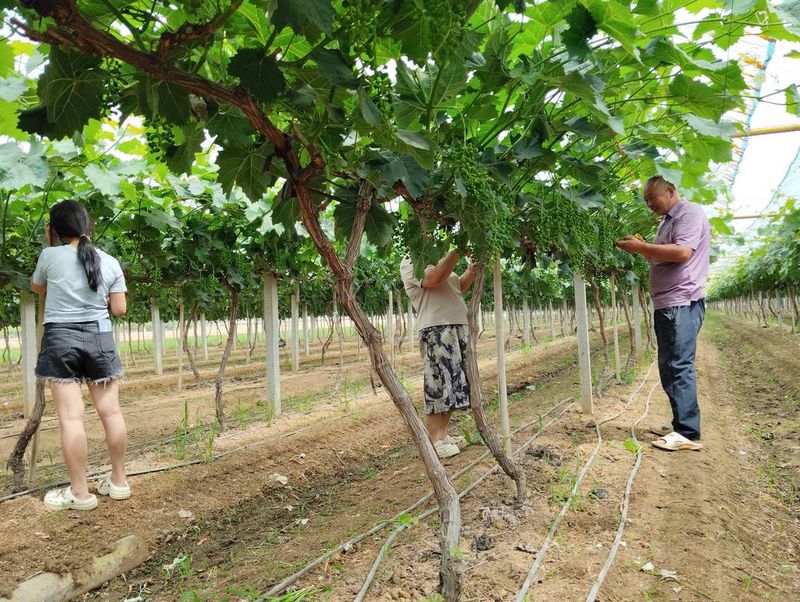
Grapes are figs, and in a growing season, the demand for potassium nitrogen phosphorus varies between periods of growth, and vineyards are affected by climate, water fattening and poor management practices, often resulting in fibrosis, brown spots and yellow leaf diseases. How can proper fertilization improve the soil conditions in which grapes grow and lay the foundation for continued high productivity and quality? Mastering five important fertilisations in grape growth is an important lesson for every grape grower! Grape growth fertilizer programme
Grape sprouts
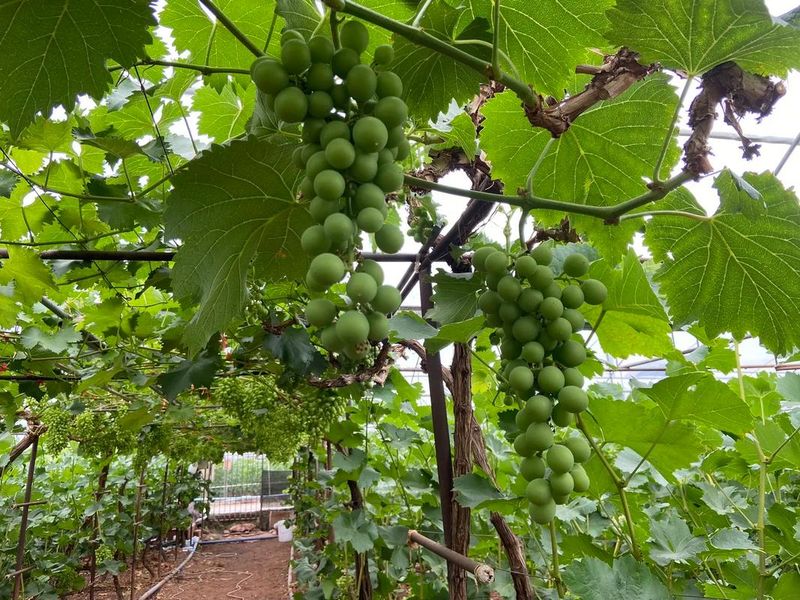
It is usually applied before the grapes move, and this time it is mainly based on nitrogen fattening (a large amount of elemental water soluble), the purpose of which is to germinate, thick and ploughing. If the trees were too strong and the spring was not very dry, the fat water could be saved so as not to cause new arrivals。
It is recommended to use eugenicly balanced water soluble fertilizers to effectively improve farm nutrient imbalances, particularly with regard to soil defertilization, and to meet the nutritional needs of grapes throughout their reproductive years, with wide application. Potassium nitrogen is readily available for crop absorption, fast-growing seeding, increased photocosynthesis, promotion of sprucing, rapid growth and correction of symptoms of crop weakness. Micronutrients such as boron, iron, manganese, zinc, copper and molybdenum are rich and can rapidly correct the symptoms of raisin deficiency, improve crop resilience and improve quality and yield. Low salinity accumulates and prolonged use does not easily lead to soil salinization, does not place environmental burdens on the soil and its recycling. I don't know.