For ordinary farmers, the key to developing the economy under forests is to choose models that are low-input, easy to master, manageable and relatively fast to recover. In combination with existing success stories, the following low-threshold models are well suited for entry:
I. Forest poultry model: lowest threshold and fastest impact
This is currently one of the most mature and lowest threshold models. Chickens, ducks, geese, etc. Are grown in scattered space under the forest。
(i) low threshold representation:
1. Technical ease of learning: poultry is a traditional rural skill and farmers are easy to handle。
2. Controllable inputs: may start on a small scale (e. G. 300-500 feathers per household) and gradually expand on the basis of home-grown forest land。
The model is flexible: it can be either self-purchased and decentralized, or it can be added to the “enterprise-cooperative-farmer” model, with enterprises providing poultry, feed and technical guidance and responsible for recycling, with farmers providing only forest land and labour。
(ii) strengths:
Poultry can feed on inter-forest pests, its faeces are high-quality organic fertilizers that allow ecological cycling, while a clean and healthy environment under the forest is conducive to the healthy growth of poultry。
Ii. Forest fungi patterns: using space, short cycles
Cultivated fungus under the forest (e. G., mushrooms, chicken leg mushrooms, ball-covered mushrooms, etc.) make full use of the humid environment under the forest。
(i) low threshold representation:
Leverage development: the “enterprise + cooperative + farmer” model can also be used. Enterprises are responsible for providing seedlings, technologies and recycling, and farmers use their own forest land and idle labour to grow without taking market risks。
2. Circulatory economy: obsolete bacterium rods that are grown after consumption are high-quality organic fertilizers that promote tree growth。
(ii) advantages: project start-up is fast, planting cycles are short and effective, making efficient use of rural idle time。
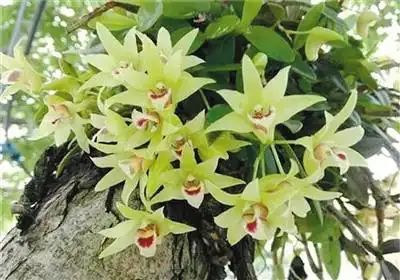
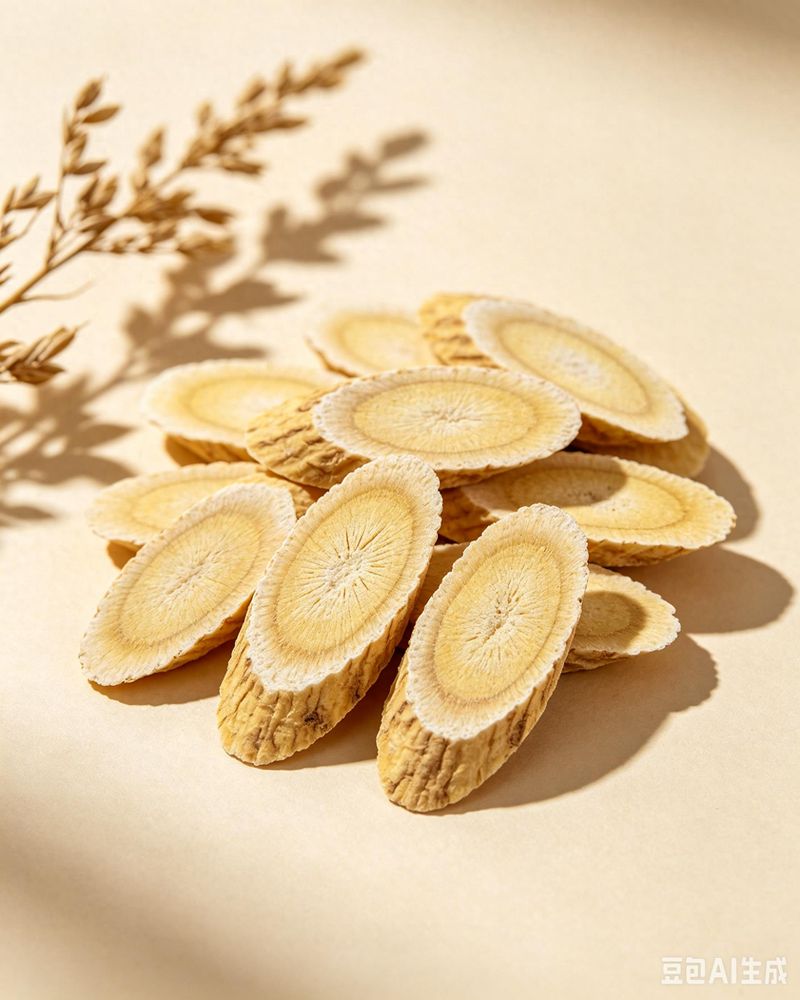
Forest medicine model: one input, long-term benefits
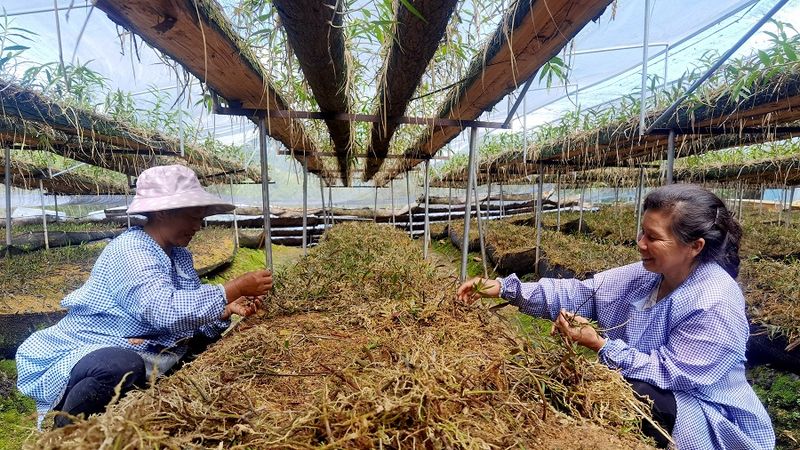
Under the forest, the venom-resistant chinese pharmacists (e. G., tungsten, jute, plate blue root, etc.)。
(i) low threshold representation:
Innovative infusion: zero-dollar equity model has been introduced in some areas. Farmers can take ownership of their forested land to professional cooperatives, become “shareholders” without cash inputs, and benefit from a bottom and profit-sharing。
Enterprise bottom: under the enterprise + cooperative + farmer model, enterprises provide seedlings and technologies, as well as bottom-recycling of products, to address farmers' concerns。
(ii) strengths:
The chinese medicine growth cycle is long and short and can form a virtuous cycle “combined with short nutrient length”。
The bee model: no labour, green revenue
Development of beekeeping industries using pollen-rich resources from forests。
(i) low threshold representation:
1. Technological maturity: in areas with a beekeeping base, the cost of learning is low for farmers。
Various types of cooperation: the “sangkat co-operative association + village co-operative + farmer” model could be used. Higher-level cooperatives provide beehive boxes, technical guidance and product acquisition, and farm farming ensures technology and marketing。
(ii) strengths:
A bee-keeping that does not occupy additional land resources and is less labour-intensive, and bees pollination contributes to increased forest and crop production, is a typical green cycle economy。
Common features of the low threshold model
Overall, the success of these low-threshold models has largely benefited from innovative benefit-linking mechanisms. By joining cooperatives or working with leading enterprises, farmers can:
1. Zero or low risk: avoid market risk by means of bottom purchases, order farming, etc。
2. Technical security: access to the full range of technical guidance provided by enterprises or cooperatives。
3. Multiple gains: land rent (or dividends), labour wages and business earnings are available, and income diversification is achieved。
It is recommended that priority be given to joining local cooperatives or finding reliable lead firms, taking into account the specific conditions of their own forest lands and the existing local industrial base, as the most secure way to enter the forest economy。