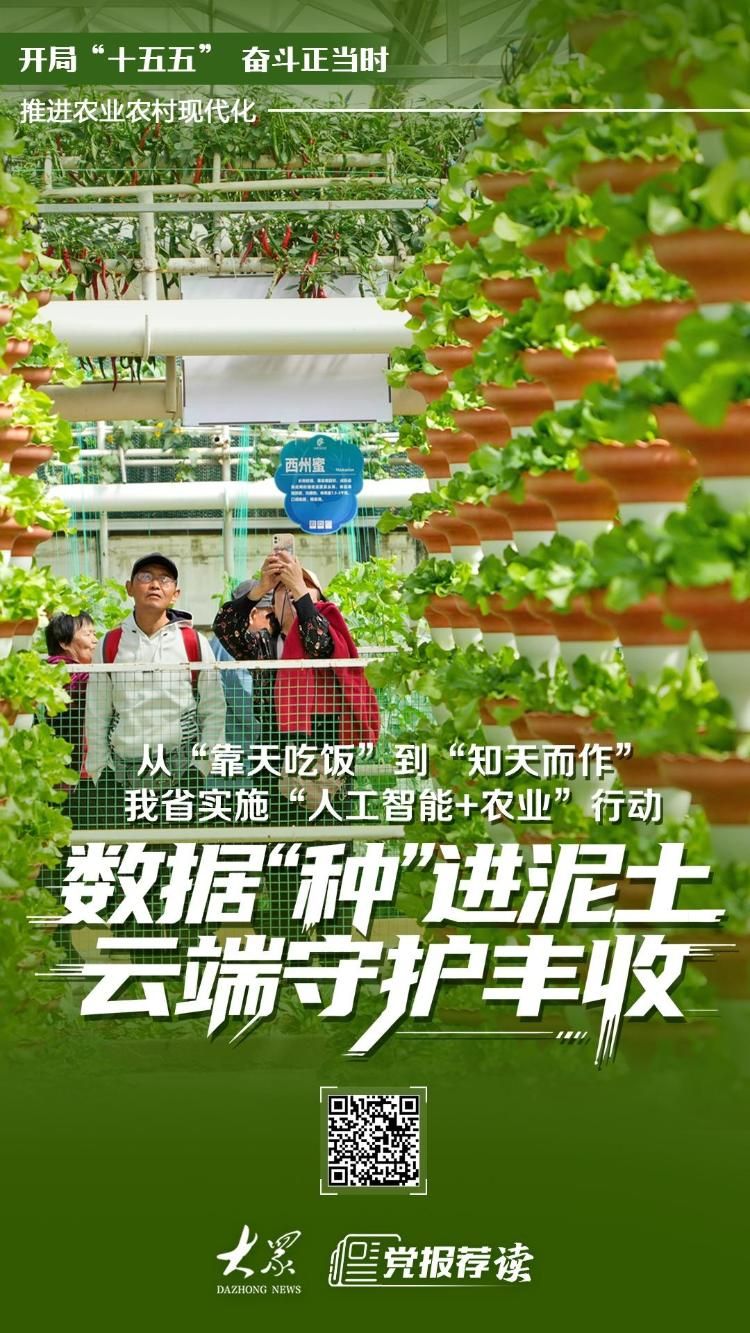
In december, the town of east bay in the yangtze district was cold outside the house, and the greenhouses of the 10,000-acre vegetable base were warm and green. At this point, the winter chili is at a critical stage of nutrient growth and thawing, with growers busy with chickens, temperature control, water fertilizer management, with precision tube protection as a firm foundation for the production of the market, and turning the winter shed into a “groom of hope”。
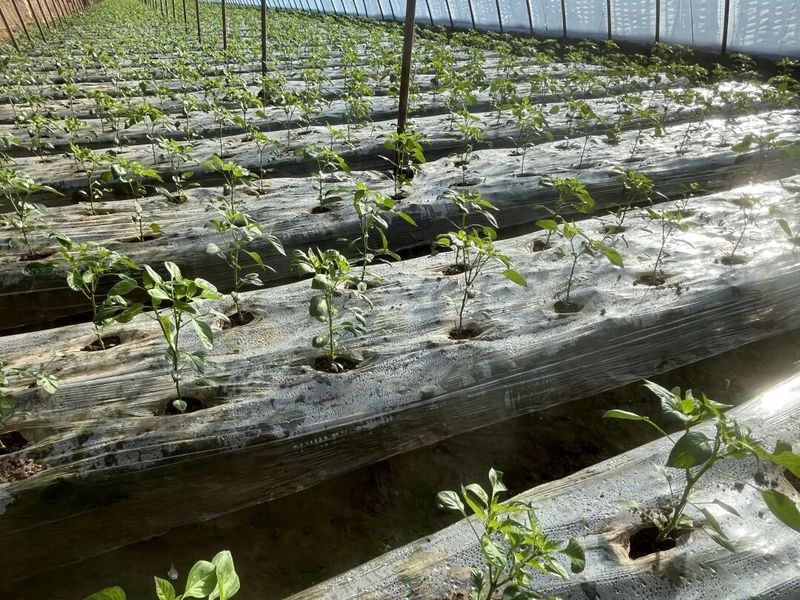
He went to the village of sanjoo, east bay, to grow the shed of wei jia zhong, and the green paprika leaves spread and flourished. Wei jia chong, while drawing a branch for peppers, gave a presentation, and according to the agrotechnical guide, before the pepper blossoms, it was necessary to make the plant grow strong and produce more than enough before the chickens were ploughed, and to wipe out the beads below the door and avoid the waste of nutrients。
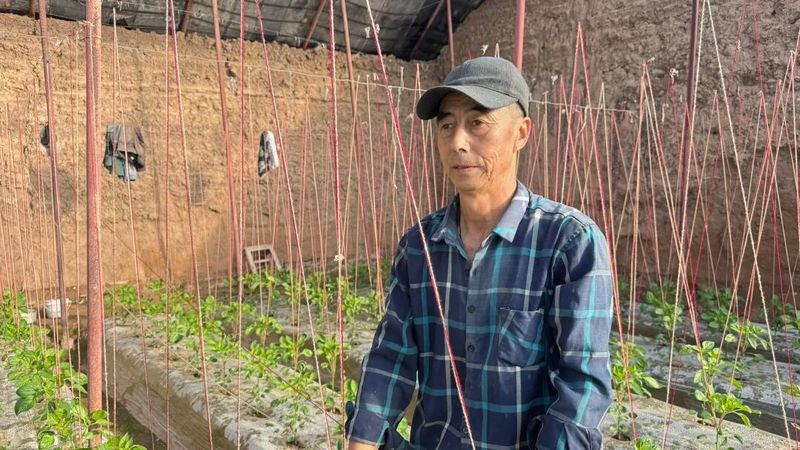
I've grown an acre of chili sheds this year, and now it's a crucial period to lay the groundwork, to come every day to see the humidity and do the chickens and the disease。
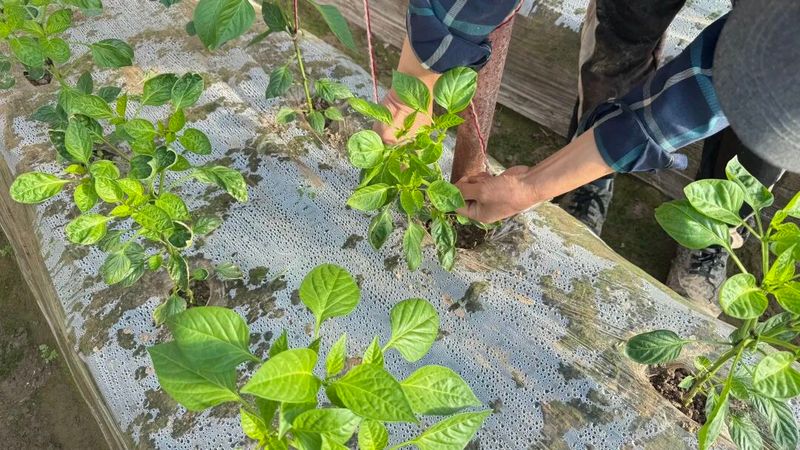
To ensure the sound growth of chili, the east bay town of ito model of “party branch + cooperative + agricultural technician” organized agricultural technicians deep into the shed to provide guidance to farmers in scientific care. In response to possible cooling weather during the winter, early warning was also issued in the town to guide farmers in strengthening their sheds, preparing multiple layers of cover and temporary heating equipment to prevent cooling of peppers at temperatures below 5°c。
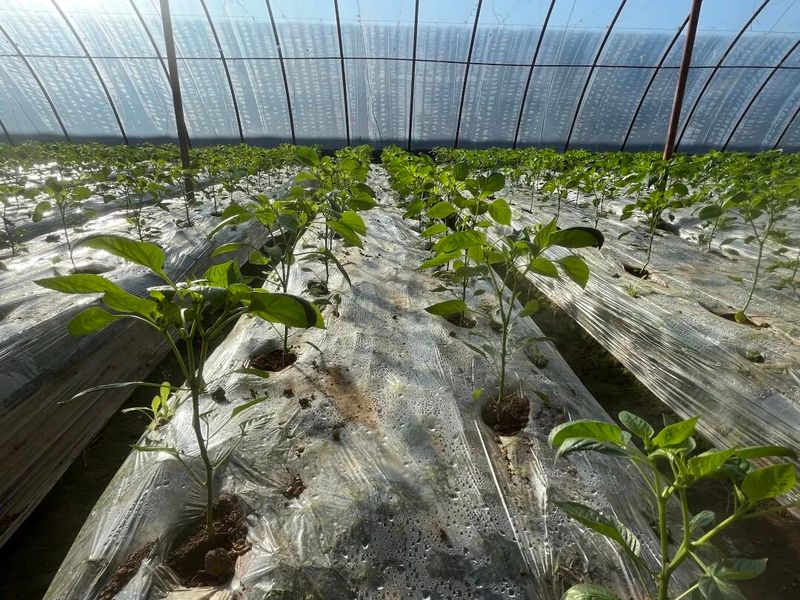
In recent years, east bay has been able to make winter hot pepper plantations a revenue-generating industry of “winter and cold winter”. At the moment, the east bay town shed of chili is building up its strength in the cold winter and will grow into a “red fire industry” to boost farmers' incomes and enrich markets for the supply of vegetables during the winter。
Reporter at the yangtze media center
Ma yoon-hoon, leslie