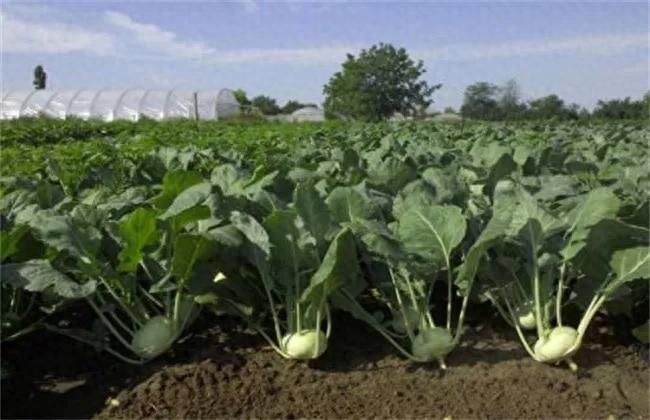
Blue is a two-year-old cross-facility plant, also known as kale. It is also very well marketed because of its sweet tastes, its fresh meat, its brittle, its fineness and its abundance of nutrients. It is also for this reason that the blues are widely cultivated in all parts of the country, and in order to ensure their production and quality, they have brought to you today a special field management technique for the cultivation of the blues。
1. Fertilization
The demand for nutrients is greater in the blue, which is a fertile plant, but we also need to apply it in a scientific manner based on the fertility properties of the plants, their growth and the planting season. In addition to base fats, we need to follow up on fats over a long period of time for its different lives, and in the application of fertilizers, mainly on nitrogen, with proper use of potassium phosphorus. For long periods of life, it is usually the use of nitrogen fertilizer for lavender application or the use of urine to obtain appropriate urea. When we wait for the blue ball, we need proper supplementation of phosphorus and potassium fertilizer to increase the resistance of the plant and avoid its ageing. Finally, in the condensation of the ball, there is a need for appropriate additions to trace elements such as calcium, magnesium and zinc。
Watering
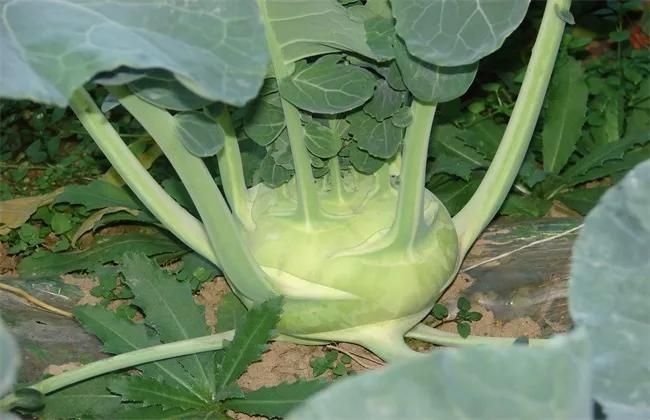
Blue growth requires a lot of moisture, so we need to water it many times in the process of planting. It is only a week after the water is poured out in time after the blue has been planted, and then again in the absence of rain three days later, the water will need to be reasonably wet, not wet, but draught. And then every time we go after fat, if it's dry, we'd better water it. And it's only three or four times to refill the water so that the blues grow fresher. Finally, it is important to remind you that it is not appropriate to accumulate water in the field if it is to be drained immediately。
3. Weeding
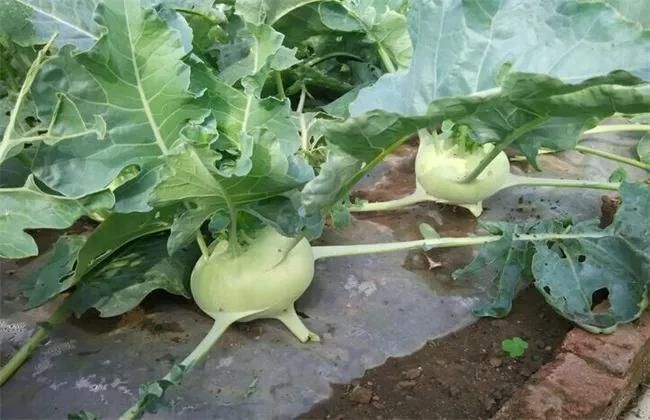
We also need to weed the blues during their growth, usually through farming. This not only cleans up weeds in fields, but also enhances soil permeability, increases nutrient absorption and promotes plant growth. The whole growth process of the blues usually takes two to three times, but it takes place before the forest is sealed, and if there are weeds after the forest, it is only artificially grown。
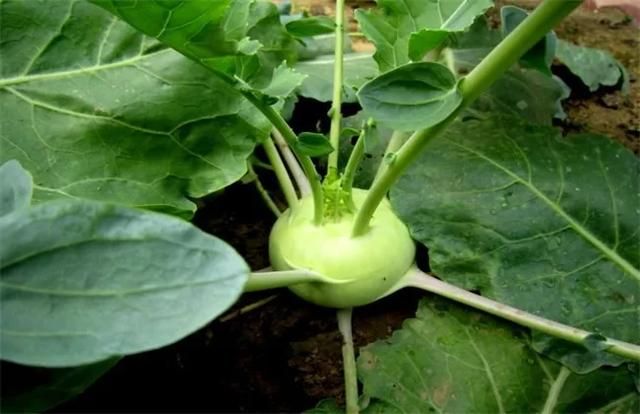
4. Prevention of pests
We also need to pay attention to disease and pest control in our planting process. The most important of these diseases are viral, black and soft, so the first thing we have to do is sterilize the soil in the field with lime water before planting the blue. The second is to be careful of the density of planting, which should not be too large, and the last is to treat it with bordeaux and bacillus. And the most harmful pests are aphids, larvae, moths, etc., so we better use low-intensity pyrethrin insecticides to combat them, but it's not possible to spray them in the first half of the month。
It is not technically the same as cabbage, many of which are similar, so it is very simple to grow。