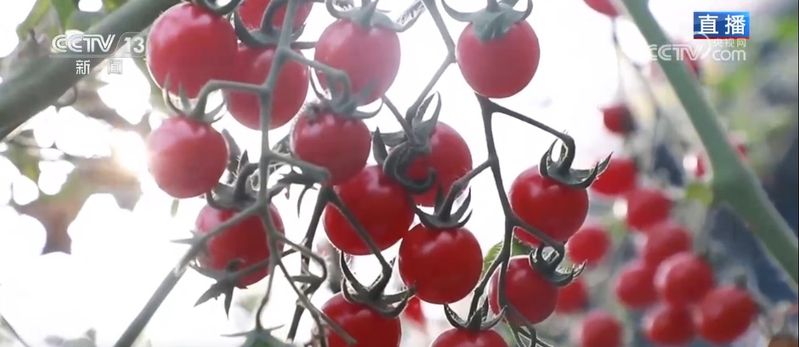
Observatoire: the aral national agricultural science and technology park, located on the north side of the takramakán desert, is the newest production site in xinjiang, which features efficient water conservation and fruit production. In late april, the base shed reached a harvest of fruit and vegetables. The environmental constraints of desert agriculture have been broken by smart irrigation and environmental monitoring systems in the greenhouses. What are the advanced technologies for local desert agriculture projects? What new, unexpected seedlings have been planted in the shed this year
The facility agriculture makes the desert smell good
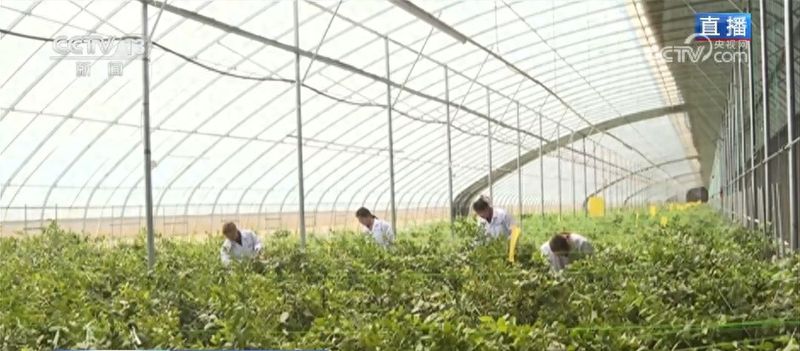
This is the national agricultural science and technology park in the city of aral, and these seedlings behind the journalists are the first successful blueberry trees in the area. Now, a blueberry is full of branches and staff are packing fresh blueberries。
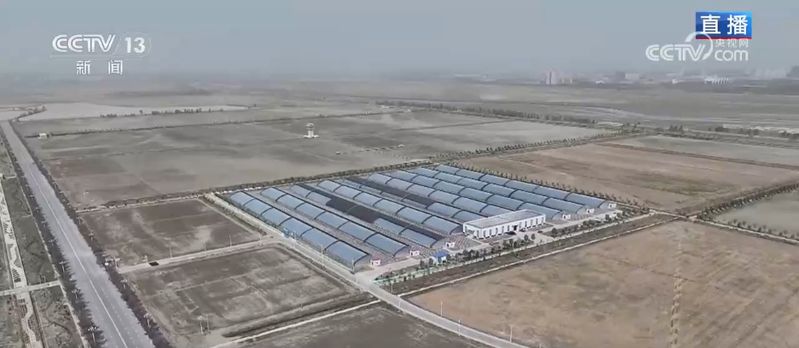
The city of alar is a typical dry area of xinjiang, with an annual precipitation of less than 50 mm, but evaporation of more than 2,500 mm, making it an important high-quality cotton-producing area in xinjiang, thanks to the dry and low-rained climate and the hot sun of the takramakan desert. This modern shed, built by aid money, is a new attempt to use the power of technology to develop value-added agriculture in the desert climate。
The fruit tree "strokes" "drop arrows" achieves "water saving + pest control"
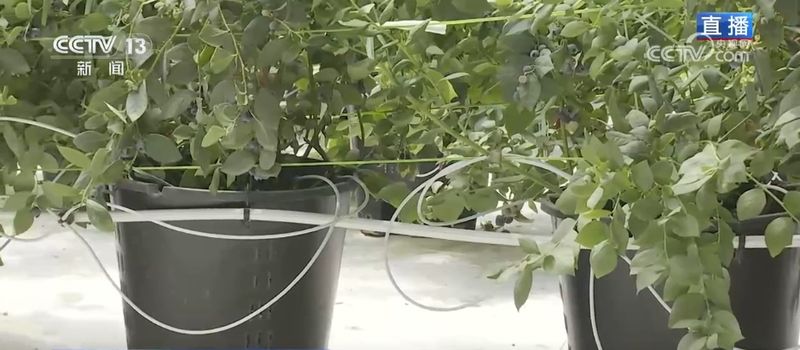
In addition to the full automation of temperature, humidity and light control, many of the latest planting methods are being used in such a modern shed. There are special irrigation pipes at the bottom of this blueberry tree, which look particularly like “strangling bottles” for the trunks, which are in fact very healthy, unlike traditional “drop arrows” irrigation systems, which look like an arrow in the shape of a sharp head that allows deep penetration into the soil, while the mid-empty arrow poles can constantly deliver water and water soluble fertilizers to plant roots. Unlike traditional drip irrigation on the surface of the earth, “stamping” the water directly into the root would reduce the evaporation of the water in the surface of the soil and reduce the humidity in the shed. When moisture is reduced, pests are difficult to breed, and pests are reduced to very low levels, and pesticides are naturally not used for insecticidal purposes, thus achieving green organicity for fruit and vegetable products throughout the shed。
"baby hu yang" has been a success for the first time in the shed
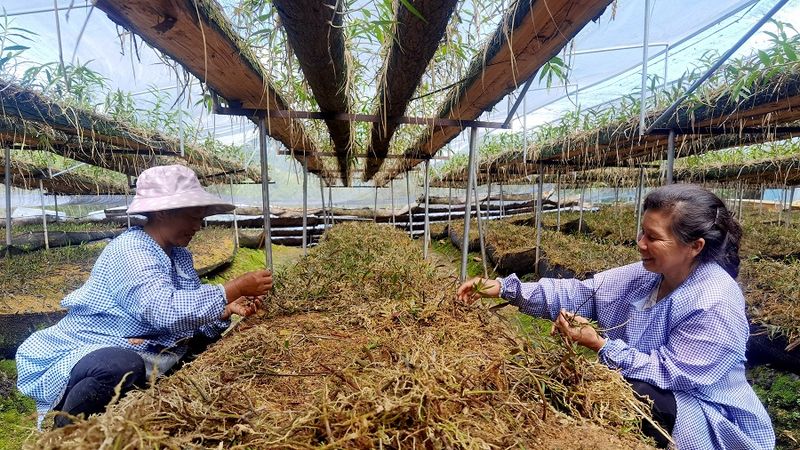
If you think this modern farm shed can only grow vegetables and fruit, then you're underestimating it. It also contributes to desert governance through the efforts of local scientists. And then, as you see on the air, there are very rare young hu yang trees, and in these nurseries, the little green sprouts are precious hu yang babies。
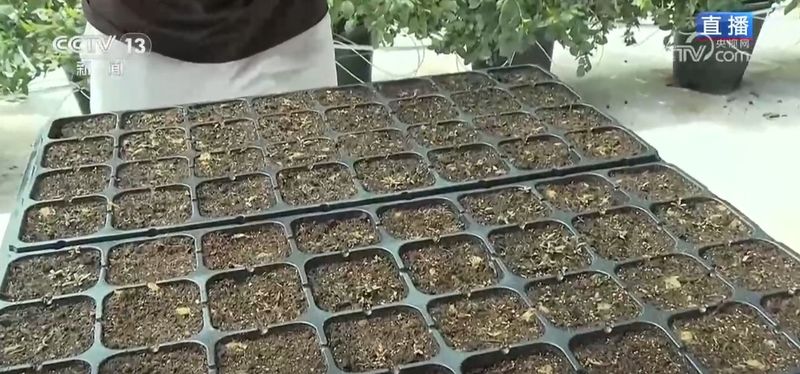
In the natural environment, less than one in 1,000 of the seeds of the hu yang can germinate, but in the modern agricultural sheds, various types of equipment simulate the environment most suitable for the seed of hu yang. At the moment, the desert resistance is being intensified in various parts of the circum-takrama desert, where the future of the hu yang seedlings will be planted along the line of desert management。
Xinjiang: 120,000 acres of hawk bean on the air
In the woody counties of xinjiang county, specialty crops were fully launched and the planting of 120,000 acres was expected to be completed by the end of the month。
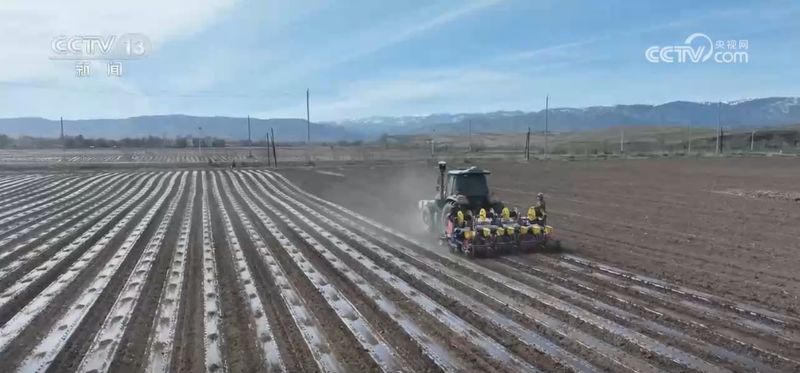
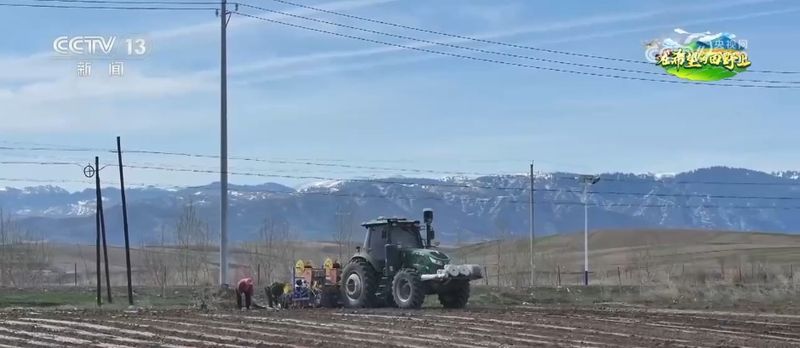
In the eastern town of shengmura, woodshire county, the sowing machine was travelling through the fields, and a full seed of eagle bean seeds was sowed into the soil. A special seeding machine for hawks has been introduced locally to ensure the availability of seedlings through a drop of precision. Woody county has a long history of fowl bean cultivation, with its only home-grown breeding base. This year, there has been an increase in the local promotion of good seeds, which has reduced the risk of farmers growing by placing orders for the purchase of hawks at the floor price. The planned cultivation of 120,000 acres of falcon beans is expected to be fully completed by 30 april。
Liaoning ridge: the maize seeding is fully under way
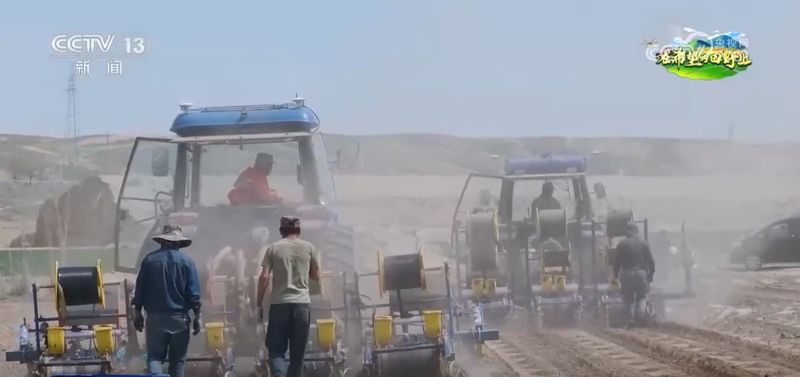
At this time, in iron ridge, liaoning province, corn farming has become fully operational, and the ground has been laid for productive harvests by actively relying on new equipment and new technologies to help produce it。
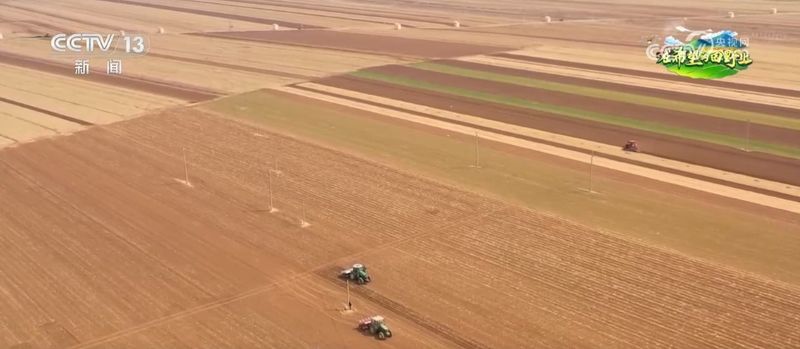
In this 1,000-acre protective farming demonstration base in iron ridge county, large-scale unmanned sowing machines are proceeding at a flat pace along the established lines to carry out maize planting operations. The unmanned seeding machine, which connects to the beidou navigator, is tantamount to a “smart brain” for agricultural machinery, sowing by receiving information on the beidou navigator's location, so that corn seeds can be cast evenly and in equal depth into the soil without disrupting the soil. The three vehicles worked in one day and were able to cultivate more than 600 acres of maize fields, 20 times more efficiently than manual。
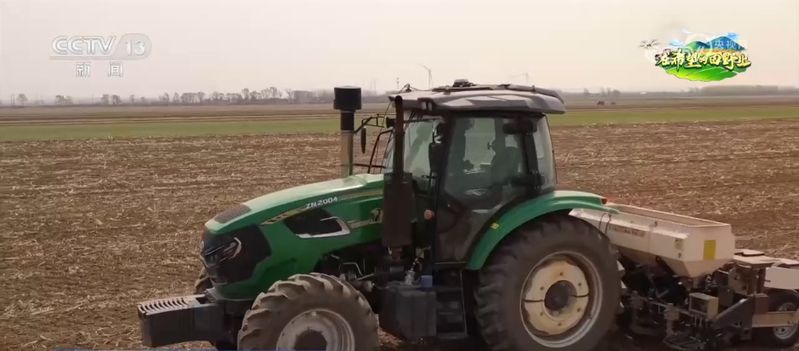
In addition to the upgrading of seeding techniques, in the area of soil improvement, since 2012, the city of iron ridge has introduced a conservation farming technique model, using straw to return to the field and using a wide-scale planting combination of “plant belts + leisure bands”, which has resulted in crop rotation. Over the years, it has not only protected the black land in the northeast, but has also achieved an increase in maize production。
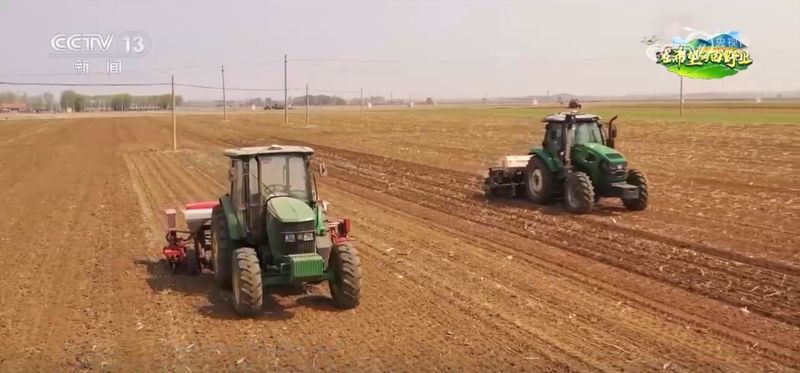
This year, the town of iron ridge grew 6. 7 million acres of maize, which is about 10 days later than last year due to the previous rains, and is expected to be fully operational on 20 may。
Inner mongolia: recycle old membranes
Membrane-covering techniques are an important agricultural means of increasing production, with the advantages of water conservation, temperature protection, weed eradication and increased crop yields, but residual membranes can also lead to land contamination. At the moment, in the city of bayanjor, mongolia, local farmers are busy retrieving the membranes laid last year to plant maize. In order to encourage farmers to recover the membranes, a number of local measures have been taken。
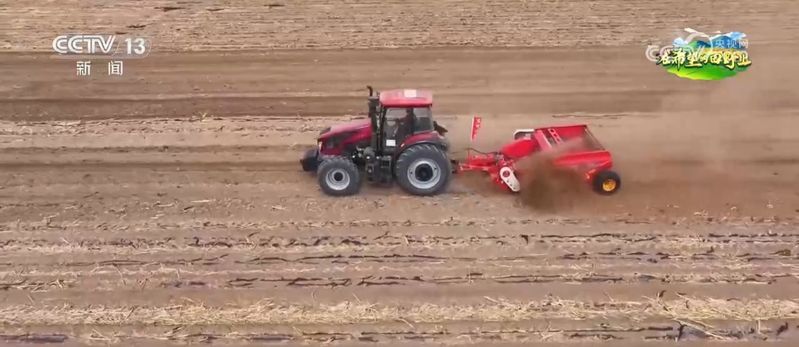
Large membrane recyclers are operating efficiently in over 7,000 acres of maize in the town of hang jin, bayanjar. The machines, like “cleanguards” of agricultural land, quickly roll up the fragments scattered over the cropland and centralize them for recycling, and the otherwise messy cropland quickly recovers cleanliness。
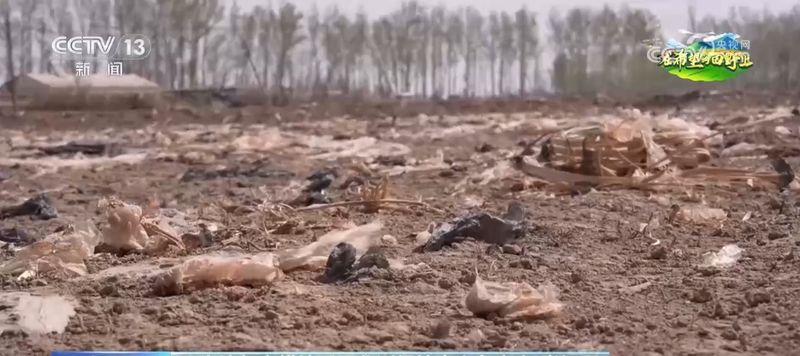
According to statistics, the city of bayanjar has an annual crop cover of about 10 million acres. In order to avoid land contamination, it has built a “net-cover + policy incentive” recovery system to encourage farmers to recycle used membranes. For example, 57 used membrane recycling sites have been set up in the five prefectures, and a “old for new” policy has been introduced whereby farmers can exchange 5 kg of old membrane for 1 kg of new membrane. With the introduction of the policy, nearly 1,000 tons of used film have been recovered. In addition, the inner mongolia has promoted the replacement of the traditional general membrane with a thick, high-strength membrane membrane, which is more resilient and less vulnerable to erosion during laying and use, not only for better farming operations but also for later recovery。
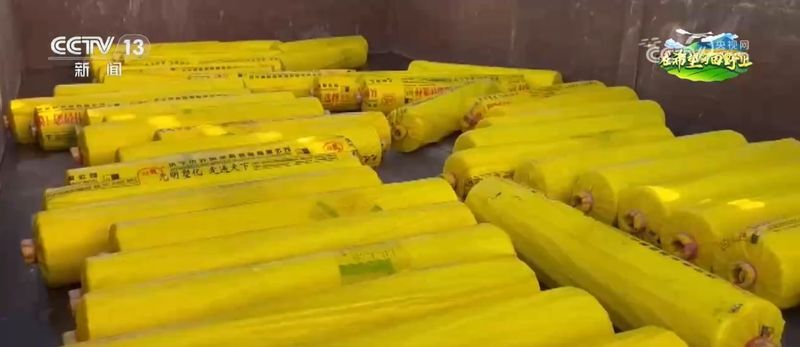
It is understood that there are two uses of recycled membranes, the first for processing into plastic particles for the manufacture of products such as drip irrigation, and the second for power generation by mixing with straw incineration. As a result, the membrane is garbage for farmers, but it is also a resource。
Inner mongolia: promote a biodegradable membrane but natural decomposition does not require recovery
The old membranes are recycled and reused. Are there any membranes that do not need to be recycled in order to be more environmentally friendly? In order to solve the challenge of the “pollution” of membrane membrane, in recent years the inner mongolia has also begun to promote biodegradation of the agricultural membrane and explore new pathways for the control of membrane pollution through “government subsidies + technological upgrading”。
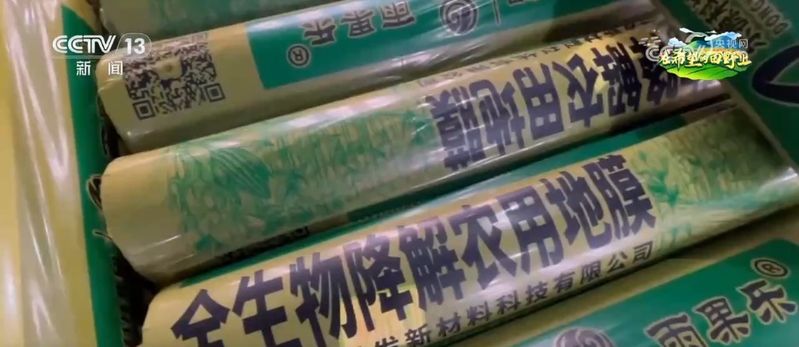
In the town of ulaanbaatar, uda district, uhai city, workers are busy transferring biodegradable agricultural membranes to agricultural cars. Villager wang zheng received 28 volumes of biodegradable agricultural membranes free of charge for use on his family's 70 acres of agricultural land。
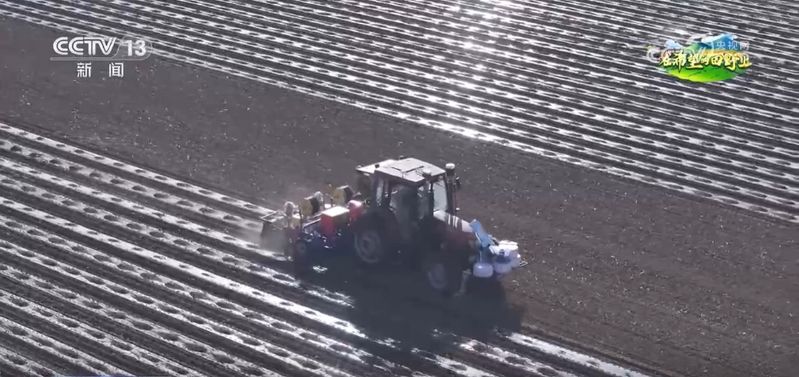
During spring farming this year, the agricultural and pastoral sector in uda, uhai city, piloted membrane upgrading and distributed 46. 5 tons of fully biodegradable agricultural membranes free of charge to more than 200 farmers. The membranes are produced from materials with complete biodegradability properties, not only for the preservation, heating, etc. Of the traditional membrane, but also for the decomposition of microorganisms or other elements in the soil without recovery after the planting cycle。
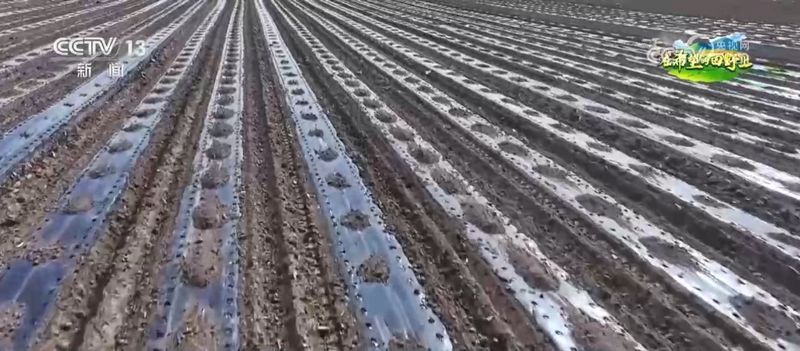
At present, the total biodegradable agricultural membrane cover in uhai city amounts to 20,000 acres. In recent years, the entire inner mongolia region has also promoted the full use of biodegradable agricultural membranes through the three main measures of "excellent demonstration + financial subsidy + quality regulation" to reduce residual recovery pressures while reducing farmers' use costs。