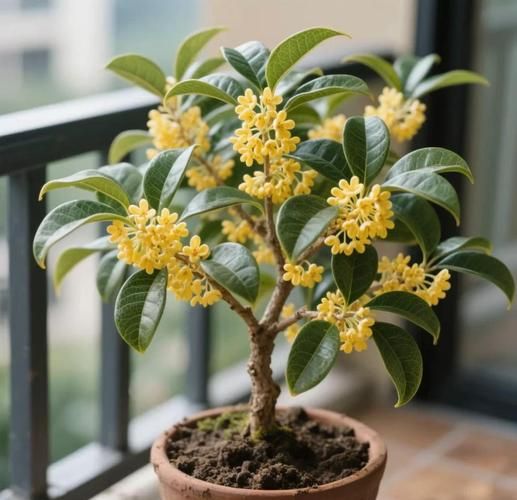
L. The guild tree is grown in an environment 1 and warm at temperatures ranging from 14 to 28°c on average in the area under cultivation, from 24 to 28°c in july to above 0°c in january, with a minimum temperature of 13°c on average, with a maximum growth temperature of 15 to 28°c in the area of qinqin and south of the river in china. It's not very cold-tolerant, but it's a more cold-resistant tree compared to other often green trees. 2. Humidity and moisture are essential to the growth and development of cinnamon flowers, requiring an average annual humidity of 75-85 per cent and an annual precipitation of about 1,000 mm, especially in the early years and when the trees of adulthood are flowering, which can be affected by drought. Water is cut off, but there is also some drought resistance. 3. Lights of light are more favourable in the sun, and they are also resistant to the shadows, with their branches growing in full light, their flowers growing in the shadows, and their leaves being thin and rare in the shades. In the case of indoor potting in the north, particular attention is paid to the need for sufficient light to facilitate growth and the formation of flower buds, for which strong sunlight and shades are not conducive. 4. Soil cinnamon is less demanding than soil, and is generally available except for alkaline soil and low-lying or over-heavy, unwatered soils, but is most suitable with deep, lax, fertile, well-watered, micro-acid sandy soils. Air cinnamon has some resistance to harmful gases such as chlorine, sulphur dioxide and hydrogen fluoride, as well as a strong ability to absorb dust, suitable for planting in luminous areas, a preference for a clean ventilating environment, intolerant of smoke and dust, and often inoperable after exposure。
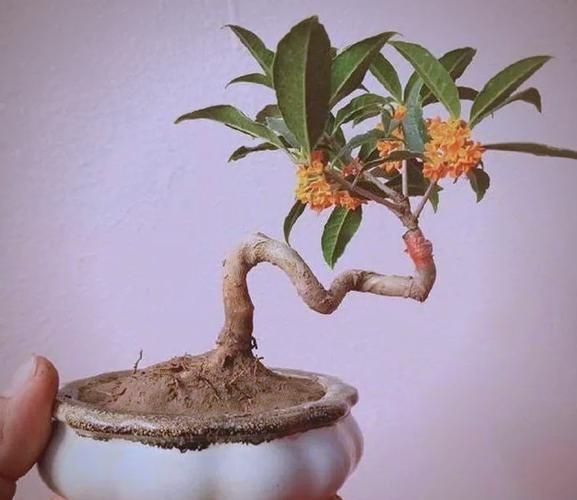
Ii. Cinnamon tree breeding techniques1 and the planting of cinnamon fruit are usually matured in the months of april to may and can be harvested when the skin changes from green to purple black. Seeds of cinnamon have a post-crystal effect, with a minimum of six months of sand storage, after harvesting and spilling water, removing fruit and meat, drying the seeds naturally in the shade, mixing sand in storage, and then having sand which can be broadcast in the autumn or spring. The seeding must be properly prepared and applied to the base weight, which can also be shown in indoor seed beds. The seeding is carried on the side of the umbilical cord so that the roots and plumes are not bent and will affect the growth of the seedlings in the future. 2. In the case of guacamole, guacamole, foie, wax, wax, etc. Are used more often in the case of guacamole. Before the spring sprouts, sheared the aluminum wood from five centimetres above the ground, cut the guacamole length from 10 to 12 centimetres for 1 to 2 years, cut the sides of the base side to a cut of 2 to 3 centimetres, cut the sides to a 45-degree small slope, cut the sides at about one third of the side of the aluminum, about 2 to 3 centimetres deep, and inserted the circa into the cut, aligning the formations with the plastic bags and then burying them. 3. Caucasian piping is usually 5 to 10 centimetres long, cut from 5 to 10 centimetres before the spring bulge, leaves 2 to 3 green leaves in the upper part of the lobe, leaves two or three green leaves in the bed of a river sand or yellow seedling, has a range of 3 * 20 centimetres in length, is followed by a timely water injection or spray, and is shaded to maintain temperatures of 20 to 25°c, with a relative humidity of 85 to 90%, and has the potential to grow roots after two months. 4. Cinnamon flowers can be divided between low pressure and high pressure. The low pressure method is the selection of the smaller branches of the thicker low-dry mother tree, born from 1 to 2 years of age, which are cut or laced with a sharp knife into a ditch at a depth of 3 to 5 cm with wooden bars. The method of high pressure is to cut a circle or circumcise one or two years of coarse branches from the parent tree in the spring with a low pressure method, and then to rub the wound with a culture base, to tighten it up and down with a plastic bag and to cut it off from the mother's strain until the fall。
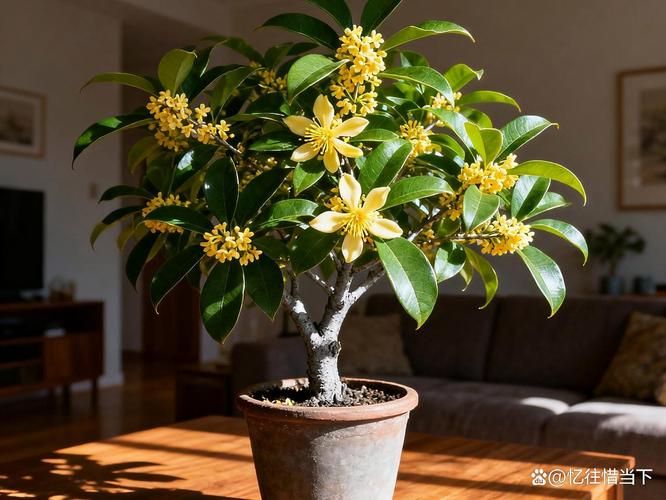
Iii. Cinnamon tree planting technique 1, green leaves and yellow flowers in cinnamon selection, with the option of using deeper pellets or square basins with approximately the same diameter as cinnamon branches, with the ligen system developing and growing. The pots are made of purple sand pottery or pottery. The colour is better in purple or tan, which contrasts sharply with the colours of flowers and leaves and increases their visibility. 2. Cottage with cinnamon and fine sandy sandy soil. Cultivated ground, usually made of field fields, compost and 1b3 each of river sands, must be treated with care to prevent infestation. 3. Cinnamon-based flowers shall be grown in the early spring or in the autumn, with a layer of river sand or cylindrical rock on the base mats in front of the basin, which shall be drained for ease, and a layer of about 2 to 3 centimetres of peat or mud on the top, up to 1b3 deep in the basin. The cinnamon seedlings with earthballs are then placed in the basin, so as to cultivate the soil, press it with their fingers and fill it close to the mouth, which should be two to three centimetres lower than the mouth of the basin in order to water and fertilizer. When planted, water is poured and then moved to the shade for about 10 days to make it a “basket” to gradually restore growth. 4. The principle of watering the cinnamon bouquets of soil shall be understood as either dry or dry or permeable. In general, springs and autumns are watered every three to four days, summers are watered every day at high temperatures, winters are watered every seven to ten days, summers are watered early and late, winters are watered around noon, bringing water warmer to the ground, so as to avoid sudden cold and heat and damage to root systems. Water should be watered in the autumn at an appropriate rate, and during the rainy season, the basins should be prevented from being wet or watered. 5. The cinnamon-based tree view should be supplied with sufficient fertilizer, with one or two times of nitrogen-based fattening to promote the growth of the leaves, and with phosphorus-based fertilization before the fertilisation and flowering, with a slightly drying of the soil before the fertilisation, and with a lightening of the soil so that the fertilizer can be absorbed. Water should be poured once on the day after fertilization. In the case of composting or school fats, they must be fully decomposed before they can be used. Fertilizers are applied over calcium phosphate at concentrations not exceeding 2%. 6. Intangible trimming of cinnamon trees, which should be done after the autumn, with the upper branch cut to balance the tree position. And the branches which are too dense shall be trimmed, and the branches shall be removed from them, and the nutrients shall be concentrated, so that the flowers may bloom. Integrative trimming, combined with management of water fertilizers, improves the robust growth of the cinnamon basin view and maintains excellent postures. 7. Change the cinnamon view once every 2-3 years. The new basin can be bigger and grow with the luminous roots. In combination, cut some of the old roots and the dead roots, cut out some of the old soil with bamboo stickers, and replaced it with fresh, loose, fertile, new breeding soil, and put corroded bread fat on the bottom of the basin, which must be compacted, so as to promote the guacamole. 8. The most common diseases of cinnamon are foliage, coal pollution, algae, roots, iron deficiency, etc., which should be addressed. Leaf, coal and algae diseases can eject 0. 5 boldos or 5 % more than 500-1,000 times more. The root causes of decomposition should be kept in order to keep the soil ablaze and not accumulate water, for example, when fungus causes it, the roots can be ploughed with ammonium dyson from 200 to 300 times the fluid. 9 the common pests of cinnamon are bees, pink lice, mites, long whites and yellow moths. Leather bees, pink lice and mites can be sprayed with 100% of fruit 1,500 to 3,000 times the fluid. Except for the removal of artificial brushes, the first generation can be sprayed with 400% oxidated fruit 1,000 times the fluid or 40% with 500 times the fluid. Editor: pang jianhua