Many people do not know that leaves are prone to decay when they bloom, which is the characteristic of many years of life. It opens a small flower, blue or purple, and its flowers are not good for leaves。
When a leaf grass blooms, it will deplete most nutrients, and it will assume that she has fulfilled her reproductive mission, and that the life of the whole plant will quickly decay and eventually the plant will die。
A little tip:
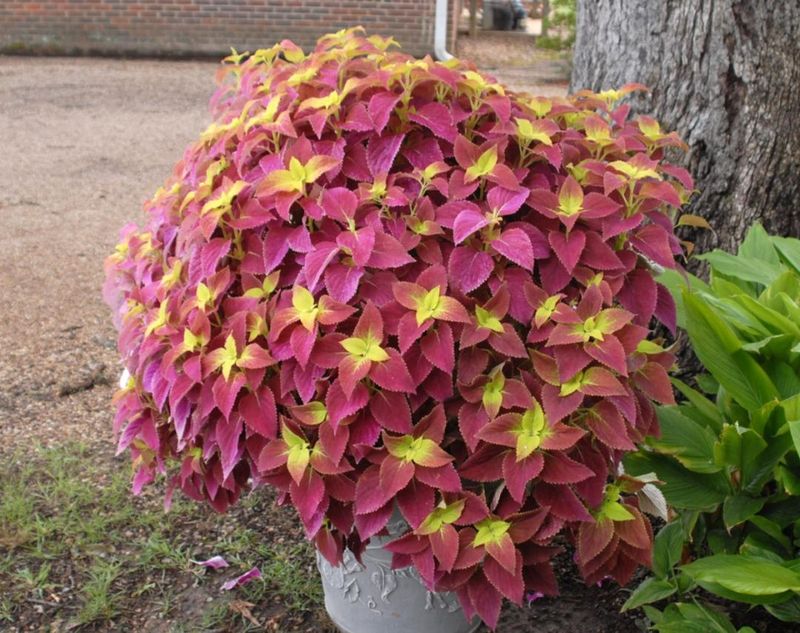
In order to avoid the flowering of the leaf grass, it must be cut off in time once it is found. Refocusing nutrients on long leaves and timely trimping can also facilitate the growth of side branches and make the whole strain more full。
In addition, green grass can be backed up in advance and longer branches can be cut off, each of which is approximately 9-12 cm long and leaves at the bottom of the branches removed。
The bottom of the branch is immersed in water, or it is maintained with a small nursery tub plug, which in a warm environment is easily reborn。
How much sunshine
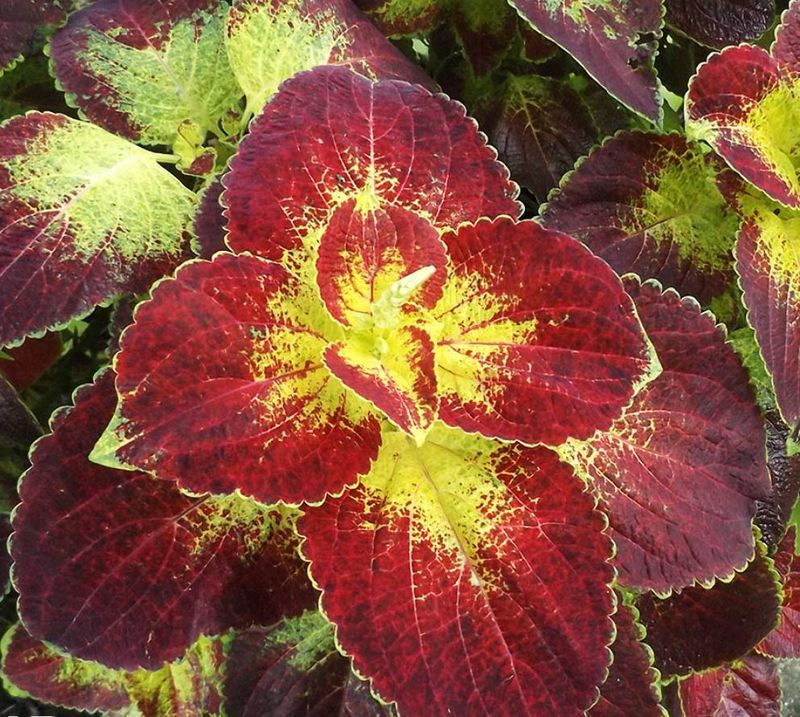
Leavegrass needs to be raised in a more sunlight environment, and its leaves are more attractive and attractive, and different varieties have different tolerance for light (generally light leaves tend to be more afraid of sun), but be careful not to be in too light-poor a place, otherwise the plant will grow longer and the leaves will be darker。
Dispersed light is given to more than 3-5 hours per day, and temperatures exceed 33 degrees in the summer, so that shades are protected from sunburning。
Temperature requirements
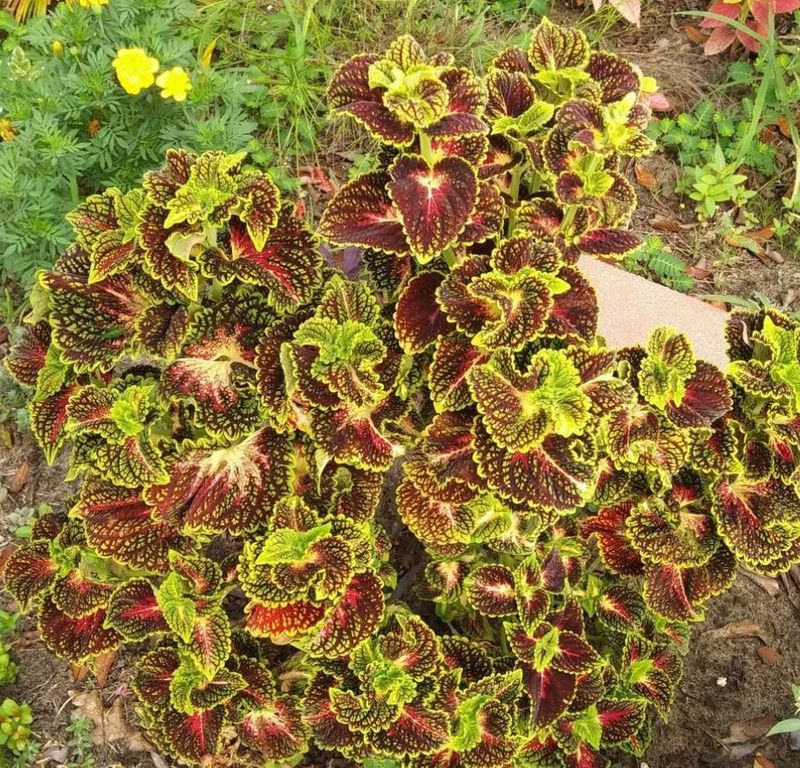
The grass is a tropical plant, and the temperature is maintained at more than 20 degrees, which is better. Once the temperature is below 10 degrees, growth stops and leaves begin to fall off, freezing or even freezing。
The summer temperatures are above 33 degrees and care is taken to increase shades and avoid the tan of leaves。
No water. No damp
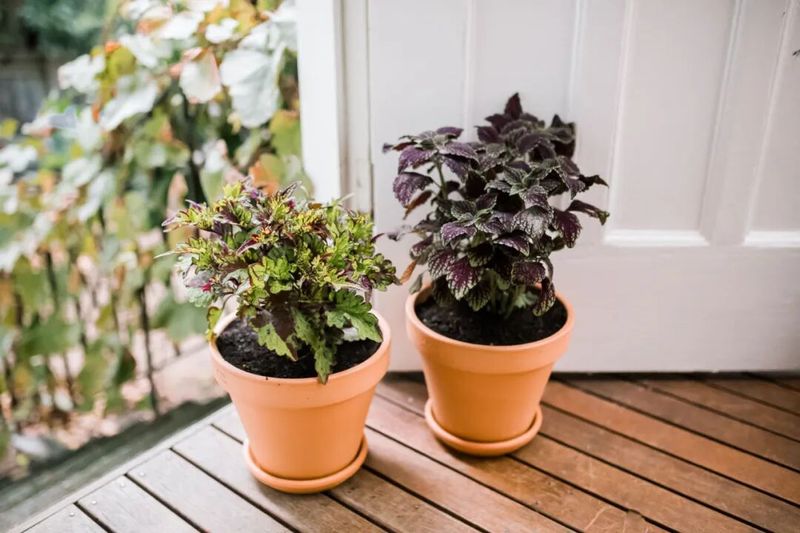
The grass is particularly sensitive to moisture, and if it is too dry, it is prone to atrophy。
If there is more water, the pelvis will continue to damp or accumulate。
In the clear, warmer seasons, coupled with proper light, the water in the pelvis consumes especially quickly and even needs to be watered sooner or later。
The pelvis must be dry and wet, and the surface of the pelvis must be 3. 5 centimetres down, dry and watered。
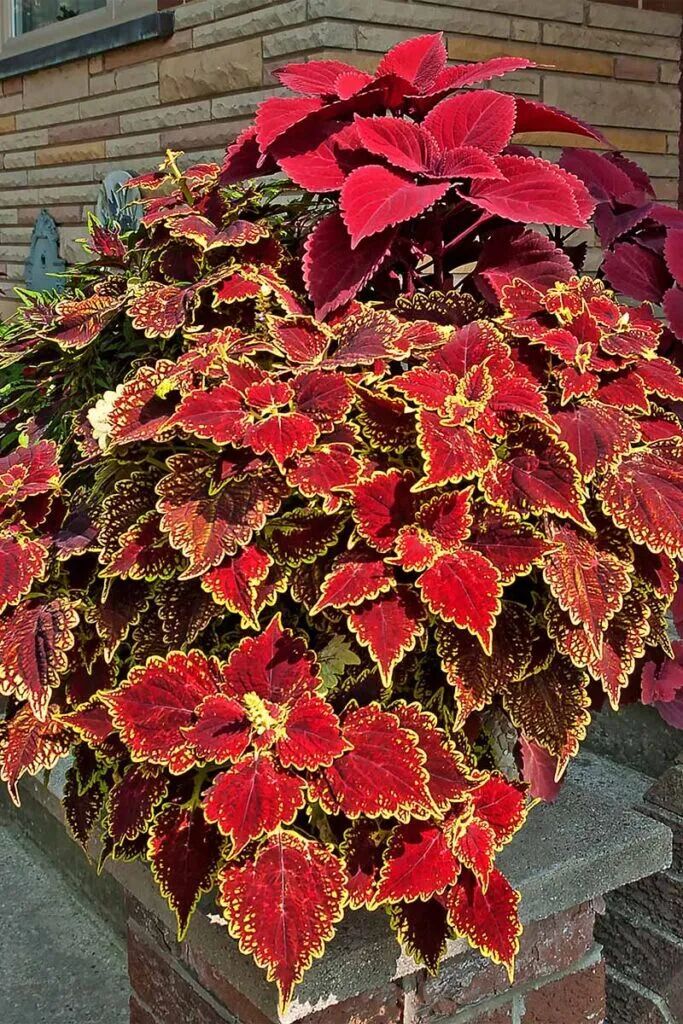
Pest protection
The most important concern for pelvis-planting is to avoid prolonged humidity or water accumulation. In poor ventilation or hot and humid conditions, it is important to avoid frequent watering of leaves, otherwise they are vulnerable to asymptomatic diseases. Discovery of the disease involves the timely removal of leaves and the spraying of microbicides。
If the environment is too poor, there is a risk of infection with aphids and red spiders, care is taken to increase environmental ventilation, detection of pests that are sprayed with insecticides, such as amphibians, increased humidity and ventilation in the case of red spiders, and when the weather is clear, more water is sprayed on leaves。
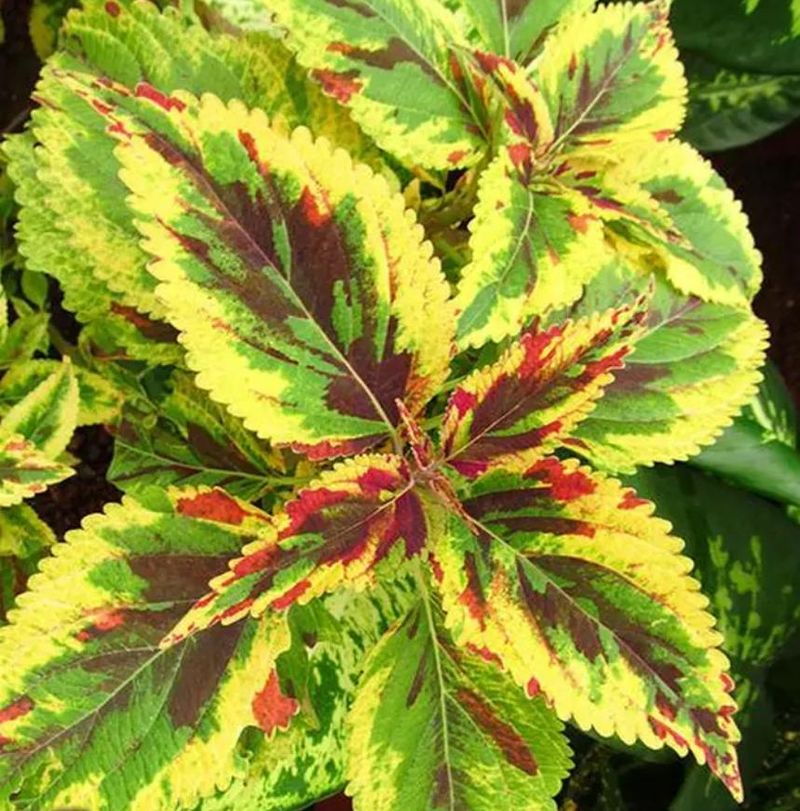
The green grass is particularly popular, both as a gardener and an indoor pelvis. The gravy that is grown after the indoor pelvis can be given more light in the mornings and evenings, avoiding strong light at noon and afternoons, especially when the sun is strong in the summer and the temperature is too high。
Usually, when we conserve pelvis, we can add more peat, coconut, pine bark and pearl rock to the soil, which can be appropriately mixed, with pearl rock and pine bark accounting for two to three parts of the soil。
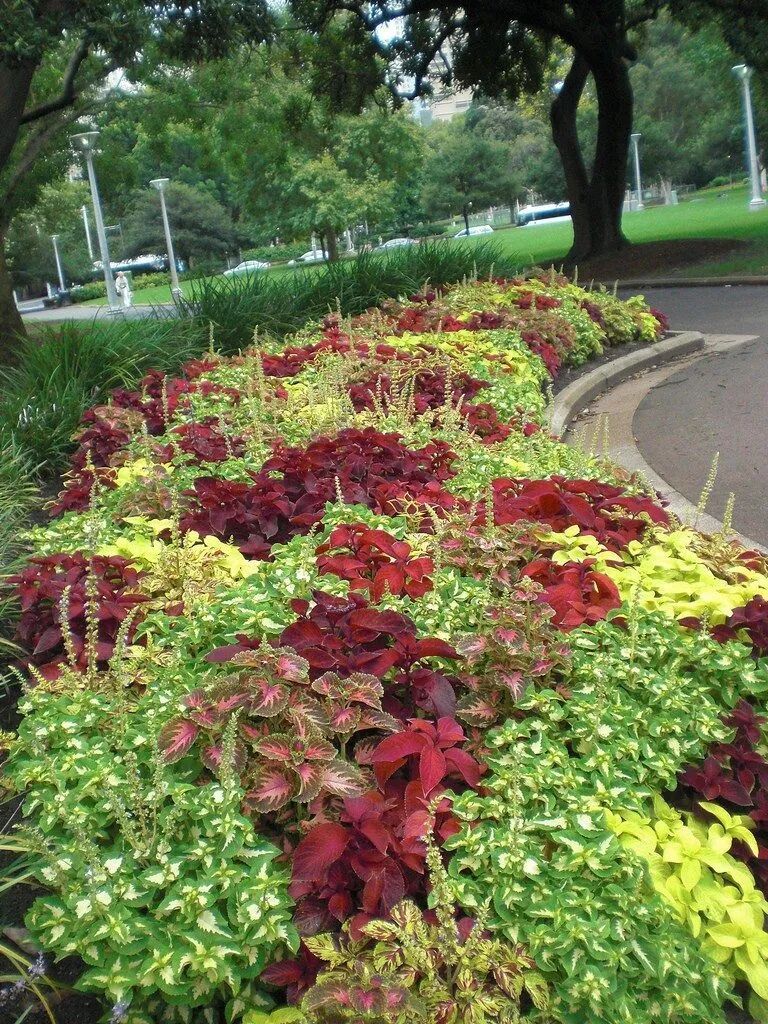
In addition to keeping the environment warm, with proper dispersing light on a daily basis, and maintaining a certain degree of air moisture, the leaves of the grazes are expected to grow more thinly every other week or two during the spring and summer season, at half the usual concentration, and no more than mid-fall。
There is a regular supplement to the fertilizers, with more light and higher air moisture, and an opportunity to promote the breeding of flowers, with some small white or light blue flowers, but one thing that needs attention is that the grazes grow and if they continue, the whole plant will dry up。
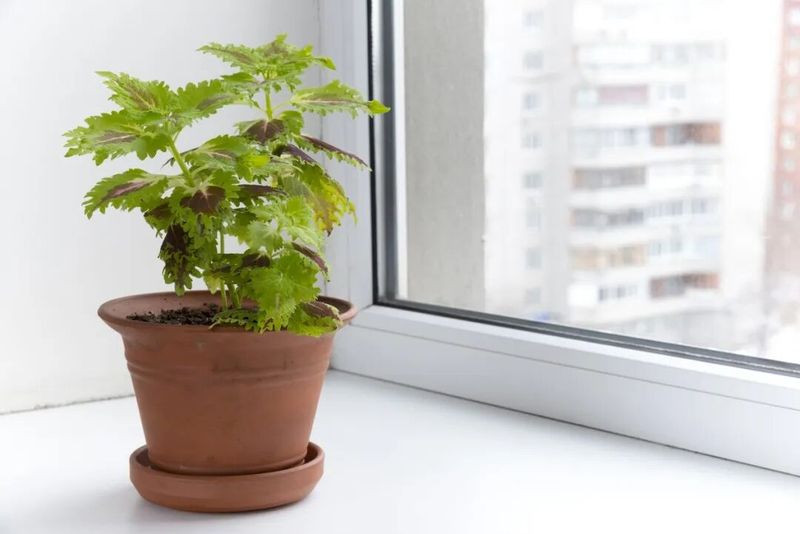
When it is normally done, the plants are found to be too tall to be properly trimmed, and if they are nine centimetres long, they can also remove the leaves from the bottom of the branches, so that they can be inserted in the water or in the soil, so that they can slowly grow into roots and grow into more leaf grass plants。