At the invitation of a team of five professors from the department of biological engineering and master's teacher at the henan institute of science and technology, with the support of a higher authority, and at the invitation of the task force of the monitoring committee of the city of makoto city in the town of fong village, in runan county, to conduct research in the small village to guide the development of the sheep belly industry and provide guidance on specific planting techniques。
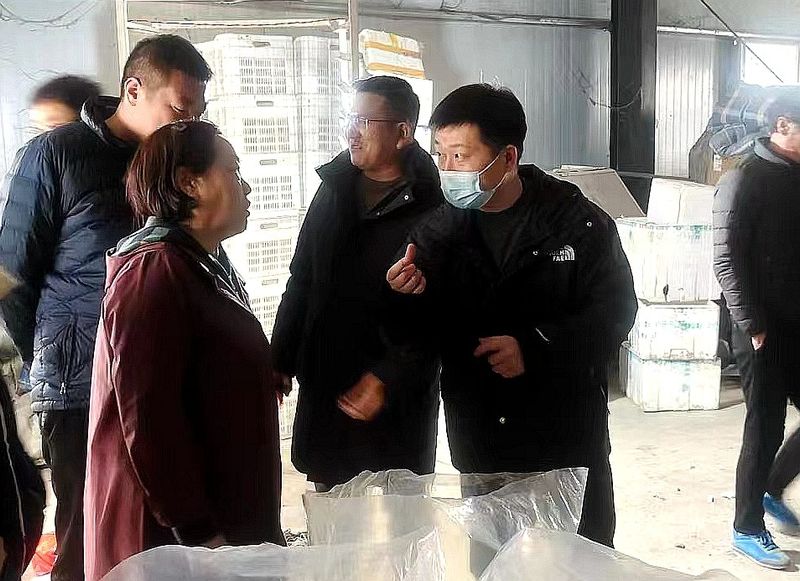
“previously limited knowledge of modern cultivation techniques has led to bottlenecks in development. As soon as provincial experts say, we understand. Next, we must upgrade planting techniques, increase acre production, and increase the number of farmers growing wealth.” sha xinhua, head of the huafung professional cooperative in chunan county. The cooperative moved the land to plant 300 acres of sheep belly fungus, boosted eight surrounding villagers to plant sheep belly fungus and created jobs for 150 people in need。
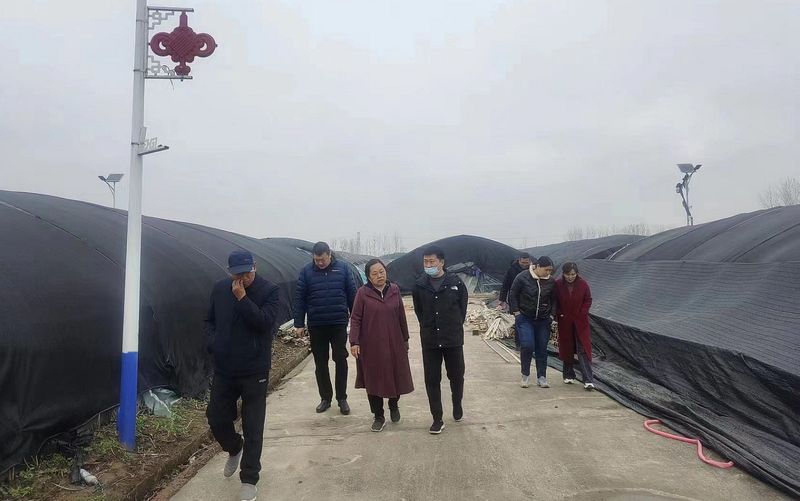
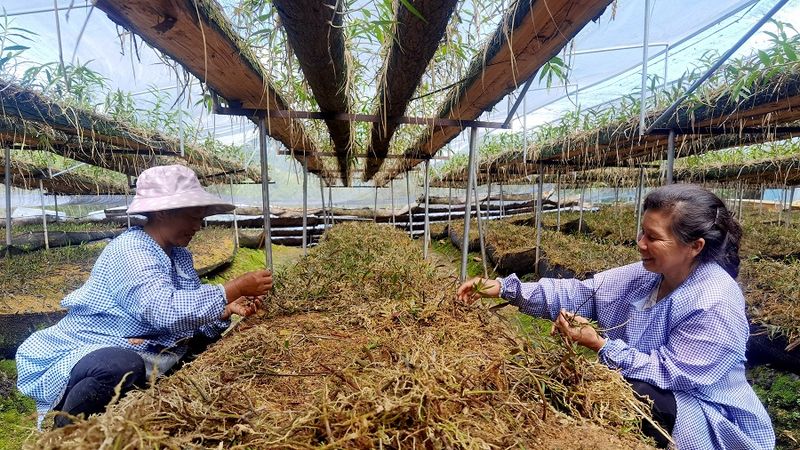
With the support of the village task force of the board of supervision of the makoto city, the relevant leaders of the old jun temple town and the head of the village council, a team of experts from monli conducted a field visit to check on the cultivation and asked in detail about the selection of varieties, the technical model and the economic benefits of the baptism of sheep. Key techniques such as the configuration, seeding, fungus growth, sub-entity production, harvesting, baking, storage, etc., were targeted. In addition, in order to widen the path to the development of the sheep-breeding industry in small villages, monrie and others have conducted research into the surroundings of small villages. Based on the resource characteristics of the land, it is recommended that the forest land be used for such advantages as soil fattening and rewinding, taking into account the planting pattern under the sheep-breeding forest, further lowering of the building of sheds and labour costs, etc., to ensure better development of the local sheep-breeding industry。
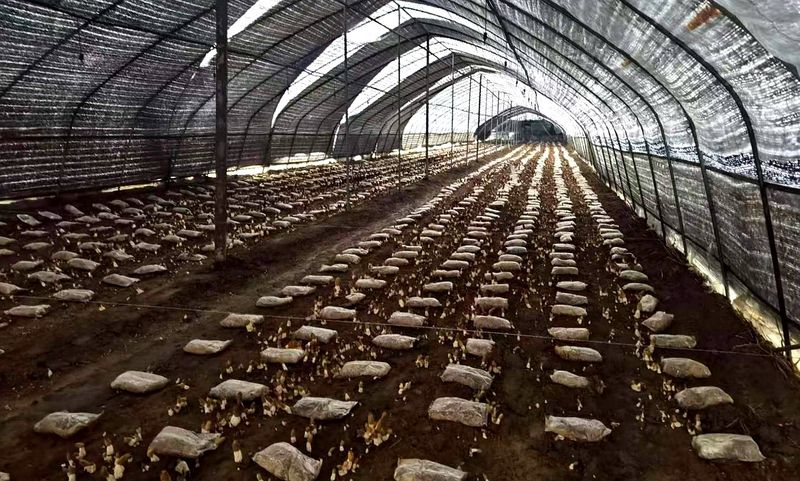
The first “one village one” feature project in henan province is the small village “sheep-breed” which is being developed using a “vegetal crop rotation” model, using large sheds for planting, with short-term and cost-effective planting. “irregularity in acreage production is more pronounced due to a combination of factors such as fungi, field management, weather climate and soil breeding.” lee yang, first secretary of the board of supervisors of the disciplinary commission of the city of ma's ma's town, in fong village, runan county, said, “we will soon be able to study the under-forest cultivation model and encourage the sheep's belly industry to do a long-term job and spread the roads to the masses.” (li bing)