I. Yellow growing techniques
1. Environmental requirements
Yellow is a luminous plant and should not be planted near the edge of the forest or between it and a high-dry crop. Throughout life, there is a need for sufficient sunlight, dry sex, water and cold. Otherwise it's serious. There is “triple fear”, i. E. Fear of drought, floods and pests. When soil is at 11-13°c, it takes 30 to 45 days for seedlings and 25 to 28°c for germinates, and within this temperature, if soil moisture is suitable, it is due one week after planting, and 15 to 20 days after soil is produced, the roots cannot germinate at less than 8°c。
Soil requirements
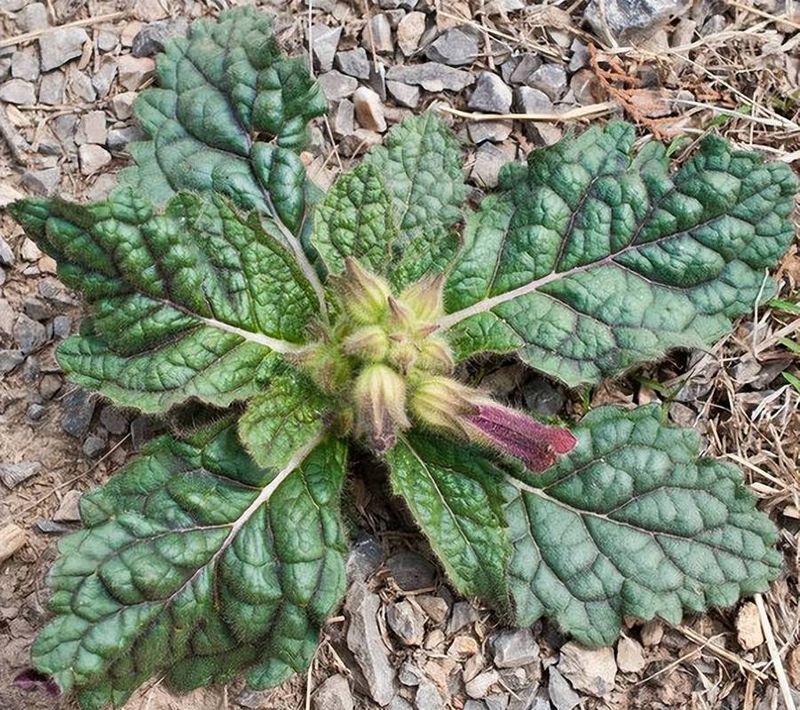
Yellow growth has a unique demand for soil and fertilizers, and it is desirable to choose sandy sandy soil, which is deep, lax and fertile and well drained. Alkyl requires neutrality or micro-alkalinity, with the best plots with higher organic content. The soil is thick, the water is watery and the land is hidden. Particular attention has been paid to the inadvisability of the heavy burden of the land, which is also a key measure for attention in the selection process. In the case of cucumbering, it is not appropriate to select land that has been cultivated, such as cotton, beans, melons, etc., to control underground pests. In combination, each acre is applied to decomposed compost of 2,000 kg, calcium perphosphate of 25 kg, compound fat of 50 kg for deep fertilisation of more than 25 cm and then the whole dredges are plating with a general width of 1. 3 to 2 m, and the acre is used for acreage of 50% hfmd 1. 5 to 2 kg + 1. 8% awe fungsin 0. 8 to 1 kg of fine sand-forming sand-sanding ploughing (throw), nematode worms, deadness, stasis and other pests。
3. Water requirements
Soil water content requirements are low at about 10-20 per cent in the early stages of land yellow growth. In the later stages of growth, which is also a period of root expansion, soil moisture should be maintained but water should not be accumulated. Due to their small roots and poor water-absorption capacity, a slight drought is prone to decay; the soil is disproportionately watered and its roots perish, so proper irrigation is required。
4. Cultivation
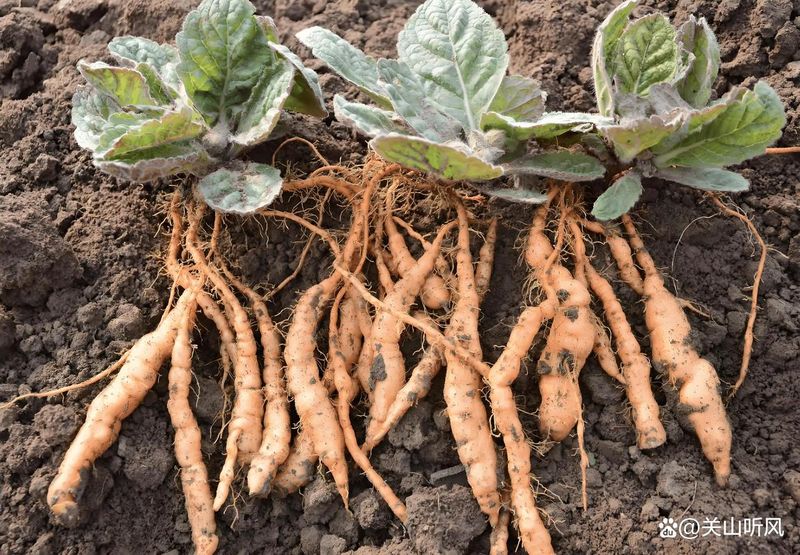
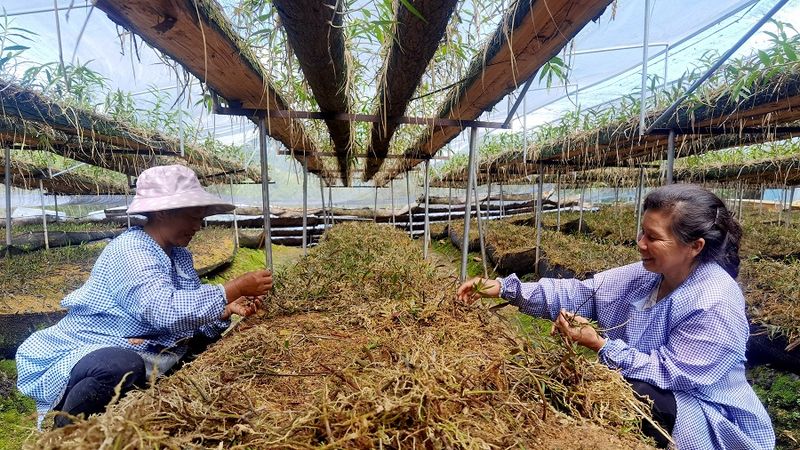
(1) the birth of a child. As a general rule, planted yellow has roots as a breeding material and production is referred to as “planting”. Yellow “plants” are usually used as “down-plants” planted in july-august of the previous year, because when “down-plants” are used for seeding, they produce high, good quality and prevent the degradation of varieties. Specific methods: in july and august of that year, a healthy, disease-free root was selected in the yellow field of the good breeding grounds, which were planted in the spring, to be dug into short sections of four to five centimetres, dryed out by the wind, 15 to 20 centimetres by row, standing at about 10 centimetres, planted in a field with full bottom fattening, properly weeding, fattening, rain and draining. In the second year of spring, it was planted and excavated。
(2) cultivation. Each acre requires 40 to 60 kg of “plant”. When the average daily temperature is between 18 and 21°c, 40 to 60 kg of “plant” per acre is required, and when planting, 3 cm deep, 15 to 20 cm range and 15 to 18 cm range, 1 to 2 cm topsoil in each den, watering the surface soil and then recaps (recovers can increase the temperature of the ground, while protecting it) are usually the best。
Attention to yellow cultivation
Ensure that the seedlings are full of 0. 71776. During the excavation, a 35-centimetre-deep dent was opened at the end of the arcade, and organic yellow was processed into a ripe ground, i. E. A commodity, using a specialized oven. Organic yellow leaves, flowers and roots can be drugged. The yellow leaves are in the later stages of the land's development, choosing a strong, disease-free plant, taking some of the leaves properly and drying in the cold. The organic yellow leaf treats the haemorrhoids and the palms of the hand and foot, and the flowers serve the purpose of drying up and treating kidney failure and back pain. The harvest should therefore take place at an appropriate time. The harvest of organic yellow flowers shall be carried out during the flowering season, choosing the sunny day, and the flowers and buds shall be recovered in conjunction with the pickling exercise, carefully chosen and dryed in the shade。