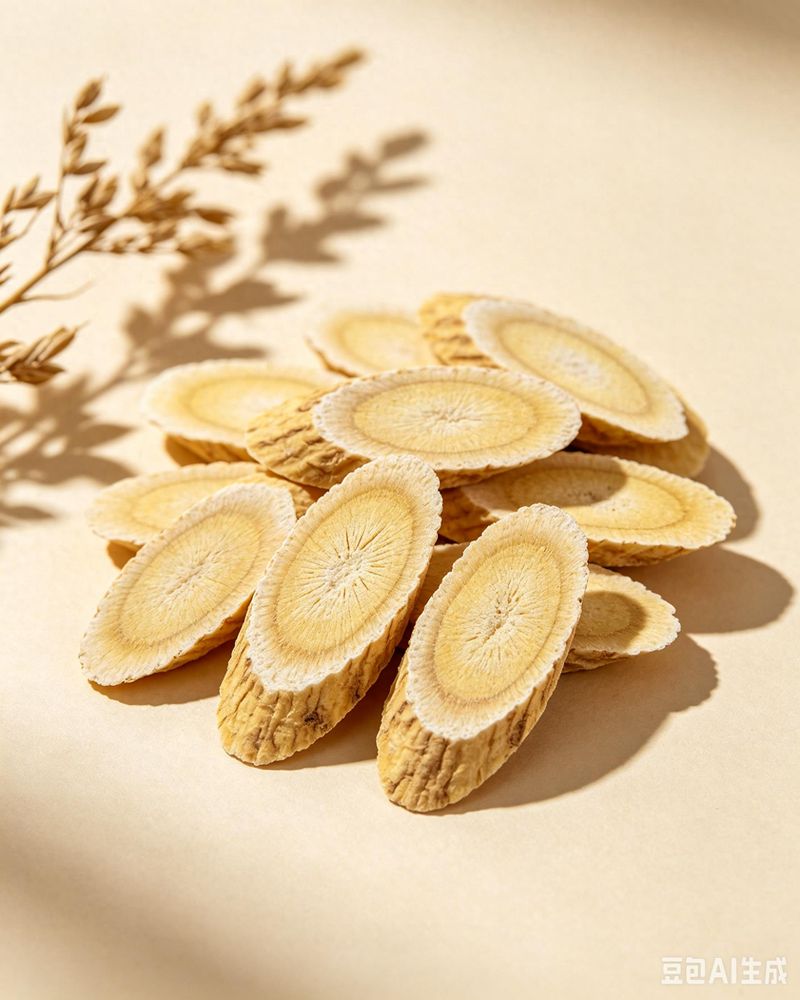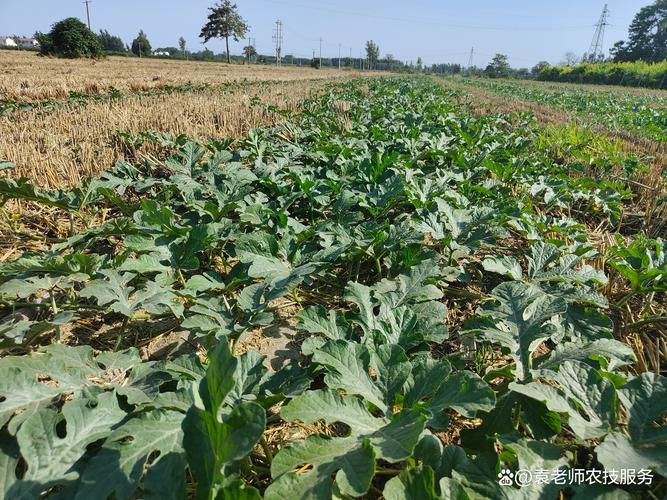
> on 27 july, the 18-year-old date-palms of the former maritime town of the 45th regiment were covered with forested areas in the west guevari. The grower, huang zong hao, was busy picking up the trucks, and he counted a sum: after selling the watermelons, it was expected to earn $40,000 to cover the full-year care costs of the date garden. This is not an ordinary harvest. For the growers, it was a precise “window period” breakout — the first two or three years after the date tree had been planted — with no output except inputs, idle land in the forest and enormous pressure on housekeeping. And the watermelon cropping, the cycle of “no-go” is completely broken. # teen-trees, what if they don't produce? The low size of the trees and the thinness of the leaves require sustained input of water fattening, weeding and irrigation, but none of the red dates can be realized. More than two years of an empty window is essentially a bet on the benefits of a future orchard with immediate and sustained investment. The solution of the 45th regiment is not complicated: since there are large areas of idle land in the forest, why not plant something between the date lines that “can see money in the year”? The idea is to plant watermelon in the tree tree tree. Watermelons were sowing, collected in the same year, and the short-term benefits of a season directly covered the cost of running the nursery, turning the growers from “bite over” to “return in the year”. # a season of watermelon revenues of $40,000 is the most direct note on the case of the 18-year-old grower, wong zonghu. All of his watermelons were sold, with an estimated sales revenue of around $40,000, which coincided with the year-round expenditure on basic care of date-palms. In other words, planting a season of watermelon is tantamount to “zeroing” the cost of piped care for an empty window of date trees. It is more than just revenue. Water meadows are grown to effectively contain weeds and to reduce the cost of manual weeding, while reducing soil evaporation, reducing the frequency of date-plant irrigation and serving as a shield in sandy environments. This means that the cost of care itself is decreasing. The low technical threshold is another key variable. The traditional experience of growing watermelon suitable for local farmers and the natural advantages of the watermelon phase and taste produced by sand. It's not just watermelons, but the piloting of a 45th legion in the army is not an isolated case. Within the framework of the regiment, a scalding dynamic has been developed. The data from the two divisions of the tari wood-cultivation area are more complete: 30,000 acres of orchards promote the `frust + guacamole/medicine' basket, covering 34. 5 per cent of the population and boosting the income of 750 workers. Thirty-three groups of pear-planted watermelons and melons received an increase of $4,700 in acres and an annual increase of between $40,000 and $50,000 in a single family of 21 acres; and thirty-four groups of 5,000 acres of acre-planted medicine, such as the mother-in-chief and herbs, received an annual increase from $2,100 to $6,100 in a single acre, which was awarded as “national agricultural industry (mexican) town”. At the military level, 2. 9 million acres of fruit were grown, with the fruit industry producing rmb 32. 7 billion in 2025, contributing almost 30 per cent of the area under cultivation at one eighth. A multi-species system of “ringo + watermelon/bumping melon/medicine” has been widely established in the southern provinces. This means that the guacamole pattern of the 45 former maritime towns is not a piecemeal and isolated attempt, but rather the localization of the whole regiment's strategy of “shortly growing” berries in the sands of the south. # for growers, it is time to focus on what type of baskets are currently being promoted, including chinese medicine and vegetables, in addition to watermelon, in the direction of a “short and flat” sub-forest economy. The choice is in the hands of the grower, but the criteria are clear: - ** if you grow two to three-year-old dates,** the watermelon is the fastest. The technology threshold is low, and the benefits can directly cover the cost of care and care when the output of the year is invested. - ** if orchards have reached the end of the chrysanthemum**, the combination of chinese medicine may be a better way to increase value added. The experience of the 34th division has shown that the average annual income of acres has jumped from $2,100 to $6,100 after the date garden shedding. However, it needs to be noted that chinese medicine packages are subject to pre-ordering and procurement channels. - ** focus on policy packages**. An integrated support system for seedling subsidies, farm subsidies, low-interest loans, agricultural skills site guidance, special agricultural insurance and order-backing has been established in the second division. The current roll-out phase of the 45th mission, along with similar accompanying policies, deserves continued attention。