Over the years, many farmers have been working hard for a season, with mixed yields, successive outbreaks of disease and reduced earnings. Many are focused on fertilization and medication while ignoring the entire standardized management process。
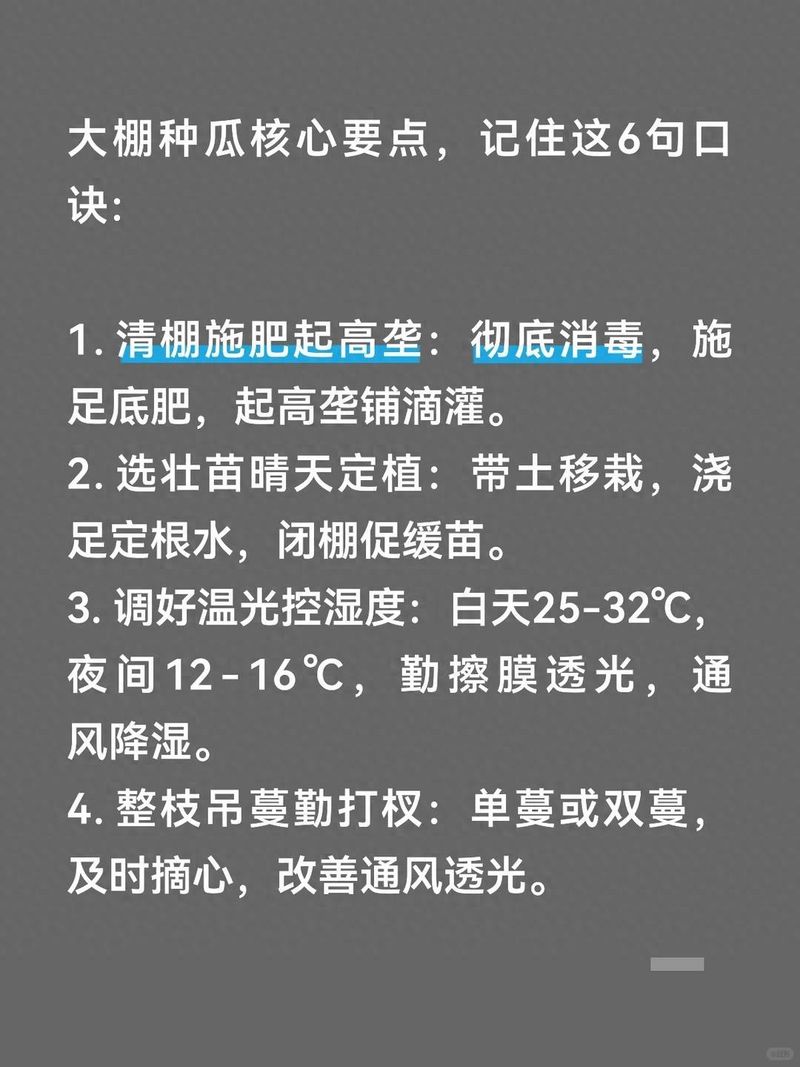
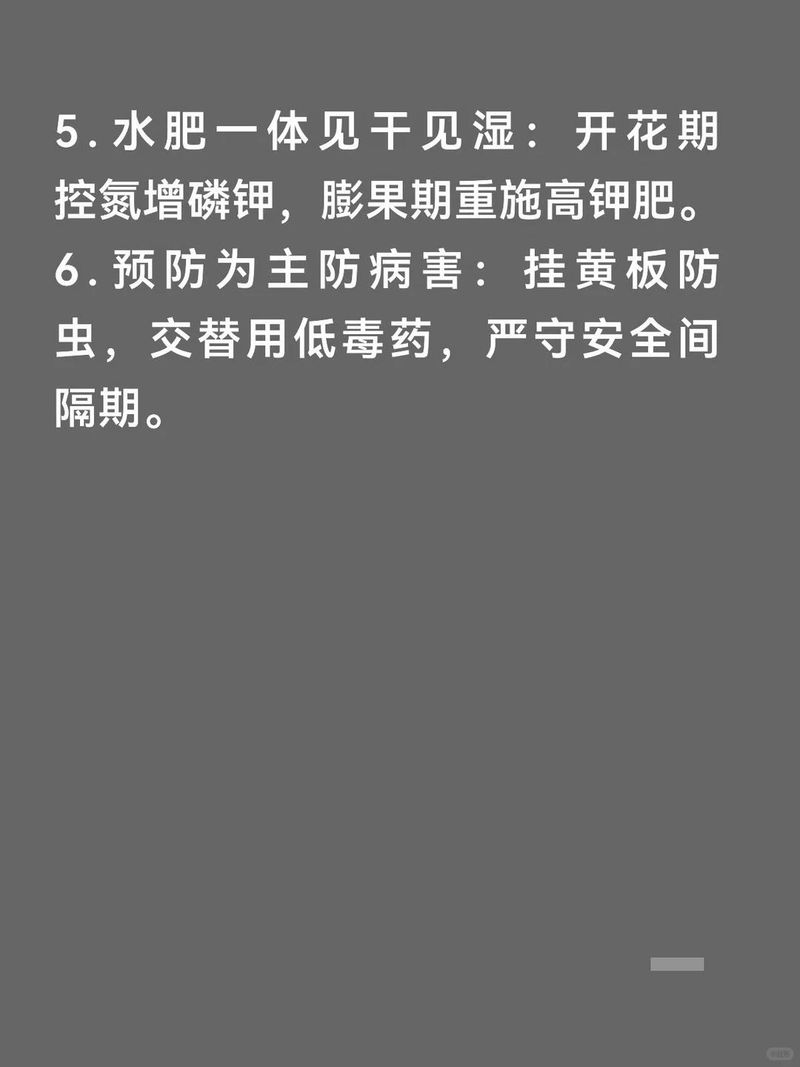
The logic of crop management of melons, melons, melons and melons is consistent, so that six long-spreaded mouths of the industry can be collated and cover the whole of land, planting, temperature control, twigs, fattening, pest control. When newers are able to watch less of the curves, old growers can also check to fill the gaps, dry the whole product and recommend collections。
1. Fertilizers in the sheds: complete disinfection, foot fertilisation, high tweezing
The root of the guaranty, which is afraid of water accumulation and serious disease strains, is the first stage of preparation in the shed, which directly determines the overall long-term disease base, and is the basis of a high yield and must not be perfunct。
After the last crop has been harvested, the leaves, weeds and roots are cleaned first, and the fungus and nematode worms are not left in the shed. A lot of farming people are left behind and the vines are buried in the ground, and when they are laid down, the disease comes with it and it is difficult to cure it later。
Soil disinfection is carried out after the clearing of the park. In the case of summer sheds, high-temperature shacks can be used to tan for 15 to 20 days, with high-temperature destruction of shallow insect eggs and fungi in the soil, and in autumn and winter, the choice is made to use either a compliance microbulbacter or low-toxic soil for treatment, evenly sowing tillage。
Then there's the bottom-fat mix. Long-acting nutrients are required for the pre-period of the melons, with priority given to full decomposition of organic fertilizers, with balanced combinations of fertilizers, and appropriate additions to trace elements of the platinum. The focus is on the fact that direct application is strictly forbidden in the form of dry chicken dung and manure, and that secondary fermentation in the soil produces high temperatures, has a high potential for burning roots, and results in rigidity and death。
The floor must be followed by an elevation of 25 to 35 centimetres. The advantages of high-level cultivation are clear: better air-eating on the ground, less easy to accumulate during the rainy season or after water is poured, effectively reducing the risk of rooting; and a faster recovery of temperature at the same time, promoting rooting. A drip belt covering the membrane is laid. The use of drip irrigation can avoid a sudden rise in humidity in the shed and reduce the incidence of frost, powder and grey disease from the source。
Many beginners like to grow flatly and look at it as a matter of urgency, but after early spring and low temperatures and heavy rainfall, the roots are chronically in an aerobic state, and the seedlings are weak, and it is difficult to produce high-quality big melons later。
2. Choosing the saplings: shifting the soil, pouring down the water and keeping the saplings
Thirty-thousand harvests, plant chain control in place, slower seeding times and rapid recovery of seedlings。
Criteria for selection of saplings: selection of saplings, thick leaves, yellow leaf-free, disease-free and roots with nutrient-rich seedlings. High-foot seedlings, weak seedlings and sick seedlings are strongly abandoned. Weak seedlings slow down after planting and have poor follow-up capacity, and even if inputs increase later, yields remain difficult to catch up with。
Prefer the morning of the sun to the planting time. Sufficient light contributes to temperature stability and rapid adaptation of the root system to the new environment; it is built in the middle of the day and evening, with a high humidity in the shed, and the wounds are susceptible to infection by bacteria, with a significant increase in the probability of dying seedlings。
The process of shifting plants has insisted on the transfer of the earth's clay, so as not to disperse the roots and reduce the damage to the roots. The smaller the roots, the lower the probability of infection with an endemic disease。
Once the planting is complete, the root water will be watered, so that the roots and the soil will fit closely. It is possible to add root-type products to the fixed water to support the emergence of new roots。
Once the water is watered, the sheds are closed, the temperature of the sheds is raised and the environment suitable for the seedlings is created. No ventilation, no fat. When the new leaf begins to stretch, it represents the success of the seedlings and the gradual opening of the vents。
A number of farmers have stepped on the pits: immediately after planting, the temperature of the seedlings is cooled, the temperature of the seedlings is irritated and the atrophy is slow. There is also a one-time planting of a large number of seedlings, which may be watered down, the roots are suspended and the seedlings remain frozen。
3. Temperature-controlled humidity adjusted: 25-32°c during the day, 12-16°c at night, light perforation of the evaporation membranes, ventilation and wetting
The melons belong to the hot and radiant crops, with three environmental factors: temperature, light and humidity, which directly affect flowering fruit, sugar accumulation, and are key to disease prevention and control。
Temperature management reference standard: suitable for 25 - 32°c in the daytime, more than 33°c for timely cooling; 12 - 16°c at night. Reasonable temperature differentials during the day and night contribute to the accumulation of luminous products and to higher sweetness of the melon。
Night temperatures are too high, and it is difficult to sit down if the night temperature is longer than 18°c, the plant is easy to grow, the leaves are strong and the whole of the vine is fed; the night temperature continues to be below 10°c, the roots are less active and the melon is prone to deformation。
Light management can easily be ignored. After some time of use, the façade is accompanied by dust and water vapour, and the perceivability rate continues to decline. There is a need for regular wiping of the balm to ensure adequate light. The light is low, the female is less divided, the female is less likely to fall, and the guacamole is small and has less taste. In the event of a continuous rainy day, conditions are available to supplement the light light; on the same day, the shelter area is cleared of water and dust in a timely manner。
Humidity is the “flaming thread” of disease in the shed. High-wet environments are highly susceptible to pollinosis, ashilosis and anthrax. Core management principle: timely ventilation and wetting。
Ventilation techniques: do not open a single vent, avoid cold and hot air condensing and beads. Following the principle of step-by-step, the temperature rises and gradually opens up; early closure of the wind vents in the evening to prevent a sharp increase in humidity in the night shed。
4. Entire cranium: single or double chicken, timely heart break, improved ventilation
The bulk of the guacamole is grown in a concubine, with a rational combination of branches, balancing nutritional growth with reproductive growth and avoiding foliage。
Cultivation patterns are divided into single and double branches, chosen according to the characteristics of the species。
(b) single chicken whole branches: preservation of the main chicken, timely elimination of all sides, suitable for pre-maturized varieties, and concentration of nutrients for the main chicken fruit
Double chicken whole branches: four to six leafs of seedlings, two strong chickens are selected, and the rest are completely removed, most of which are used for medium- and late-cooked fruit-type varieties。
In the growth of vines and vines, the breech will produce a large number of chickens and grandchildren, which the farmers often say. The saps can consume nutrients on a continuous basis, and if they are not removed in a timely manner, nutrition is dispersed and it is difficult to provide for the expansion of larvae. To the extent possible, it is chosen to operate in the morning of the sun, with a high rate of wind drying of the wound and a reduction in the infection。
As the vines grow, they are made to hang, and round them, so that the vines are evenly spread, and the leaves are not hidden from each other. Cultivation is not crowded and air flows in the sheds, and light can reach the lower end and reduce the incidence of disease。
(b) reminds them of the flexibility to adjust the whole branch's strength before and after the fruit, to refrain from overcutting the blades at once, to preserve the functional blades for photocooperative purposes and to guarantee the nutrient supply of the fruit。
5. Water fertilizers are dry and wet: nitrophosphate control during flowering period and high potassium re-application during expansion period fat
Fertilizer management is one of the top priorities in determining the size, sweetness and production of guacamole, with many farmers reducing their production, with the problem of managing imbalances at the time of water fertilization。
The overall water-watering principle: it is dry and wet, and it is not possible to prevent long-term water accumulation or sustain drought. A small quantity of water is provided by drip irrigation。
Water fertilisation programs for the different fertility periods:
Shrimp periods: try to control the rooting of the water, the soil is dry and water is not watered, and the seedlings are avoided。
Pre-fruit flowering: strict control of nitrogen fertilizer. Too many nitrogen fats cause the vines to grow wildly, with the appearance of “springs, not melons”. Fertilizers focus on phosphate fattening, and phosphorus elements contribute to thawing, increase the quality of females and increase sit-in rates. Soils are not flooded, and sudden changes in moisture can trigger flowers。
The stage of success and larvae expansion is the peak period. This phase focuses on the application of high potassium water solution. Potassium elements contribute to the expansion of fruit, the accumulation of sugar, the improvement of skin radiance and the reduction of deformity. It also supplements calcium fat to prevent cracks and umbilical problems。
Ten to 15 days before the harvest, the water supply was gradually reduced and the pursuit of fertilizer stopped. The moderate aridity of the soil contributes to the accumulation of guacamole and increases the taste. Pre-harvest periods are characterized by continuous heavy water irrigation, increased water content of the melon fruit, reduced sweetness, shorter storage periods and unsustainable transport。
In reality, there are common faults: the massive application of nitrogen fertilizer throughout the process; the wild watering of the later stages of the expansion, which eventually leads to unsweet, fibrosis and a substantial discount on the value of goods。
6. Prevention is the main disease prevention: anti-verbal pest control, substitution of low poisons and strict safety intervals
The idea of “prevent more than cure” must be developed in large-scale plantations. By waiting for a massive outbreak of disease to be drugged, the spread can only be contained and the resulting reduction in production is irreversible。
Pest control priority physical tools: cedars, aphids, insects, which not only eat leaves but also transmit viral diseases. The wind vent is equipped with a worm-proof net that prevents external pests from entering the shed and reduces the base number of worms from the source。
Core guidelines for pharmaceutical use:
First, the drug is rotated. Long-term single use of the same pesticide makes bacteria, pests highly resistant and subsequent drugs less effective. Spraying alternately for different action machines。
Second, priority is given to low-toxic and compliant pesticides registered on melon crops, strictly in accordance with the platinum ratio concentration, and not to increase the volume at random。
Thirdly, the harvest safety interval is strictly observed. The collection of guacamole is imminent, the use of medicines is prohibited and pesticide residues are not exceeded, affecting marketing。
High incidences of felons: powder, anthrax, ashilosis, cyanosis; common pests: white lice, aphids, mackerel. Early protective prevention at key nodes of high humidity and cold heat. It is accompanied by ventilation, wetting and rational branching, optimizing the growth environment and reducing the probability of disease occurring, and cannot rely solely on medicinal agents。
At the end
The six sentences combine the full management cycle of the sheds: a full bottoming-up period, the planting of seedlings, medium-term environmental regulation, the adjustment of the whole branch to its strength, the supply of water fertilizers on demand, and the prevention of disease throughout the course。
There are no shortcuts to planting, and the high production is not a result of a special effect drug, a fertilizer, but of a finely managed stacking of each chain. Many farmers focus only on late-stage fertilisation, neglecting sheds, temperature and moisture control, and end up investing heavily, with unsatisfactory returns。
Management programmes can be adapted flexibly on the basis of local adaptations, with different varieties, different conditions of shed facilities and differences in local climate. The newcomers suggested starting with small-area trials and slowly building up experience。
Growers are welcome to share their experiences in the comment area about the difficulties you've been experiencing all year