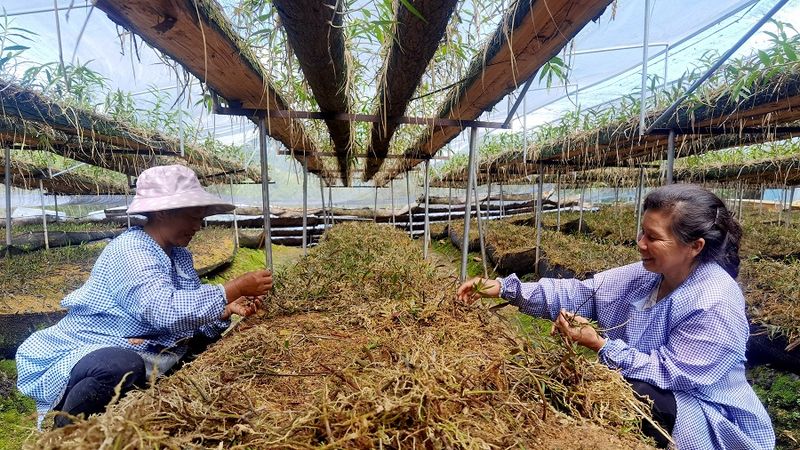
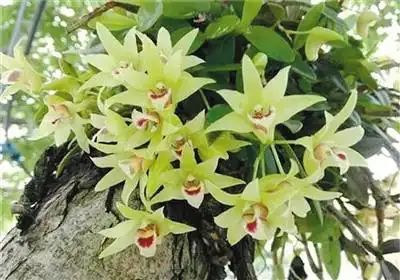
When it comes to orchids, attention needs to be paid to conservation features and to the most critical understanding of the growth habits of orchids in order to achieve the goal of “know each other, win every battle”。
1) note the need for light
"all things grow by the sun." orchids require sunlight for light cooperation and nutrients to meet their growth needs. So light is essential for orchids. In particular, by winter, the warmth of the sun must be fully utilized for the safe passage of the orchids. However, the demand for light from orchids varies from season to season, from region to region, from type to type, and from type to type. For example, the amount of light needed for melancs, the amount of light needed for tyrannes, and the amount of light needed for tyrannes, the amount of light needed for tyranes, is less than that for melannes。
2) the need to take care of the temperature
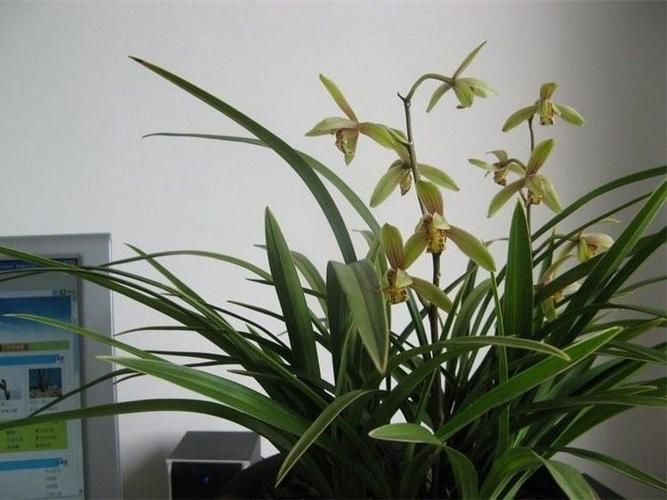
Orchids love warm, warm, warm winters and summer heats are not conducive to their normal growth. The temperature difference is an essential natural condition for orchids to produce flowers. For example, spring spring springs and spring springs, such as springland, qinglan, lian orchids and spring swords, are the seasons during which they breed flowers, which require a low-temperature spring period of 0°c ~ 5°c, which lasts about 15-20 days. The winter temperature cannot be too high, otherwise it would be detrimental to the flower。
3) water-sensitive needs
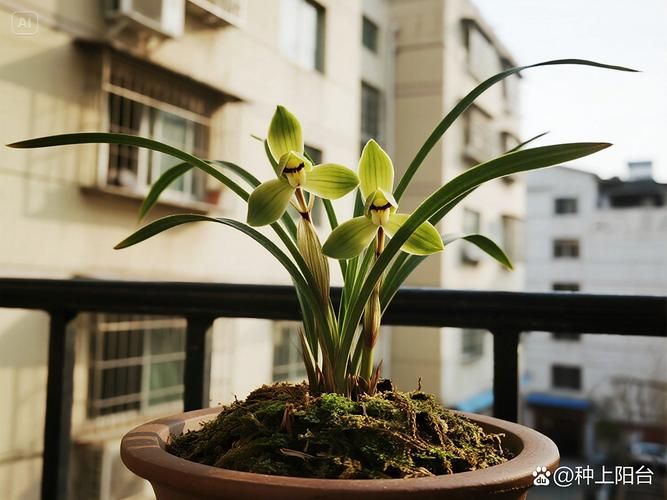
The orchids are born of abated and well-drained soils, with the habit of wetting, with the greatest fear of water accumulation in the soil. The plant cannot be overwatered, otherwise the foundation will remain dry for a long time and will be highly susceptible to scavenging roots. Sometimes, in conditions that are not dry, the foundation is dry. It is best to be wet, dry and dry, especially when it is wet in seven。
4) the need for ventilation
The emphasis here is on raising orchids in a wet or hot air environment and, most importantly, on improving ventilation. Because ventilation promotes the breathing of orchids, with a constant flow of fresh and clean air for orchids to metabolize, and regulates temperature and humidity within orchids, not only for orchid growth but also to prevent pests and diseases. Because most pests are caused by poor ventilation。
5) take care of nutrient supply
Orchids require different nutrients at all stages of growth. Fertilization is designed to meet the nutritional needs of orchids, but inappropriate application is counterproductive and not only does it promote the growth and development of the orchids, but it can hurt them. In general, the loss of fertilizers in the event of large gaps in granular planting, poor fertility, water irrigation and the pursuit of liquid fertilization require timely supplementation of nutrients, with a particular emphasis on “basic use”。