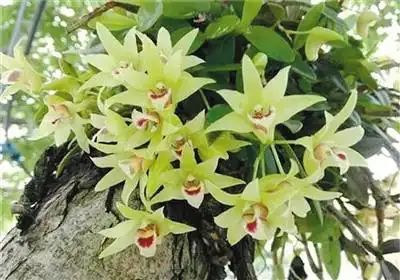
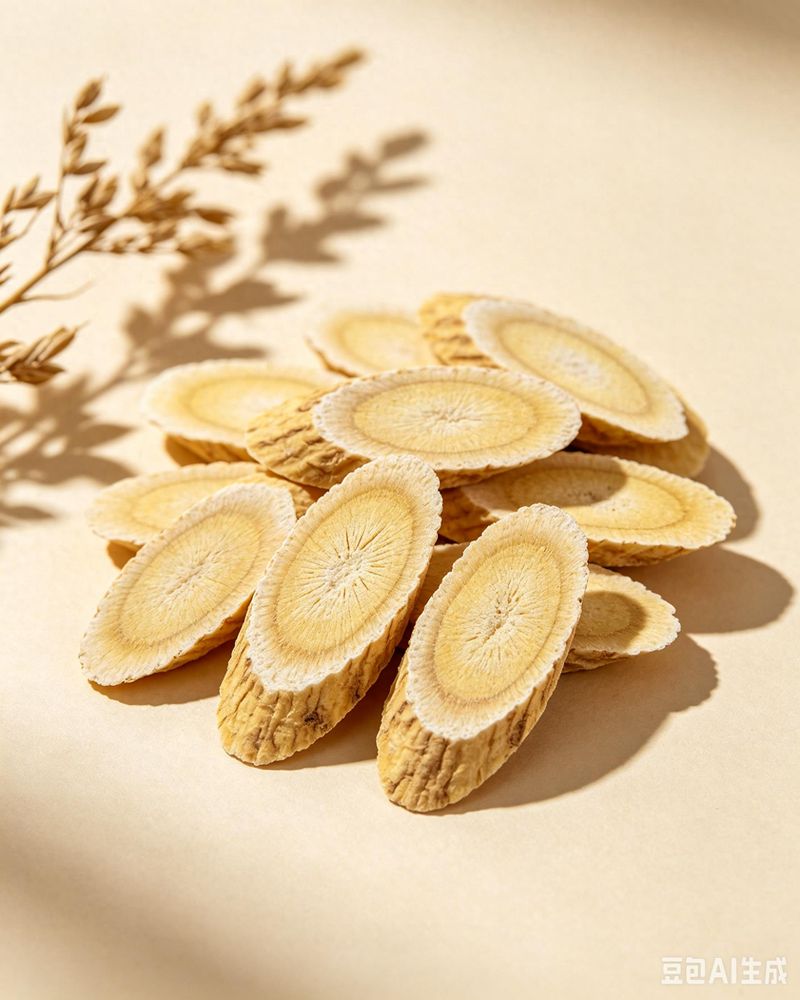
At a time when the pharmacological congenial industry continues to warm, market demand is rising year by year, and increasing numbers of farmers are opting to become involved in yellow-cream farming, with a desire to grow a strong, high-quality yellow-creatured seedling that will be the basis for the success of the whole planting project. A number of growers ready to enter the market often face problems in selecting yellow seedlings: low adaptive capacity and survival rates for wild-mining seedlings purchased; unstable seeding, with mixed later trends that fall short of acquisition standards; unincorporated seedlings sold by small businesses, weak resistance to disease and high care costs. Today, we start with the industry, and we're going to clean up the yellow seedlings, and talk about the strength of a well-proclaimed yellow seedling supplier, and help growers avoid choosing the pits and choose the suitable seedlings。
Let's start with the basics of the yellow seedling industry. The quality of seedlings, which themselves belong to a variety of chinese medicinal products harvested over many years, varies from two to five years, directly determines the proceeds of cultivation for the next three to five years, as this choice is one of the core elements of yellow sperm cultivation. In recent years, the market for yellow seedlings has grown as a result of the increase in the scale of artificial yellow sperm cultivation, but there are still a number of problems: some suppliers directly extract and sell wild, yellow seedlings from the field, which are not domesticated, are not well suited to the planted environment, have low rates of survival after planting, and are unstable in the form of wild seedlings, making it difficult to integrate care and scale output; others sell varieties that do not conform to pharmacological standards, and produce products that do not meet the requirements of pharmacists, processing plants, can not be sold at good prices, and may even be sold late。
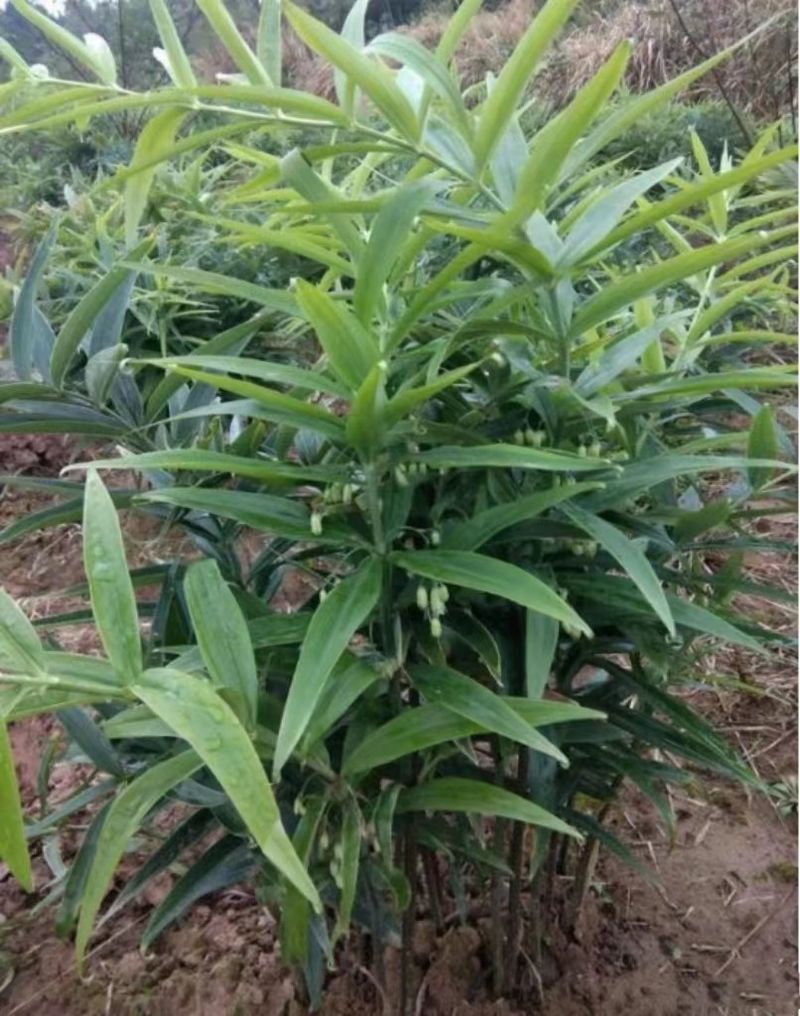
What are the advantages of a strong yellow seedling of good quality? Qualified artificial cultivation of yellow seedlings begins with multi-generational domestication, suitability for artificially grown environments, strong resistance to disease and high survival rates. Second, the variety is stable, the seeding is well established, the later stage is even, the size of the series is easily managed, and the quality of the finished product is consistent with market acquisition standards. Subsequently, adaptation to local climatic soil conditions and short post-plant adaptation cycles can shorten the growth cycle, advance harvest and reduce planting costs. In the light of the variety of medicinal plants that are currently common in the market, mainly platinum and yellow, both of which are included in the pharmacological tablets. The finished products are available for medicinal use and wider distribution, as well as more stable prices, with high yields, good quality, high yellow quality, suitable for low-altitude areas in the south, and suitable varieties are selected by the growers according to their local climatic soil conditions。
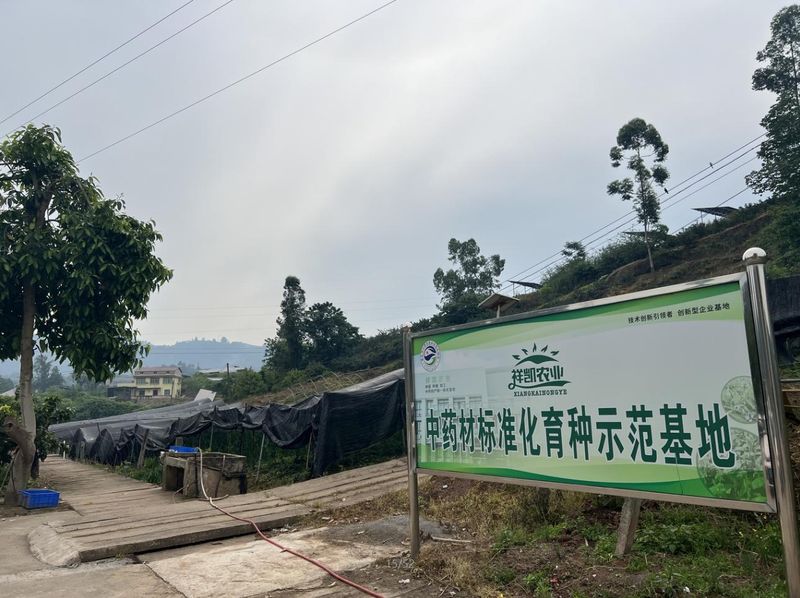
As far as the price of yellow seedlings is concerned, there is currently no uniform pricing in the market, and prices will fluctuate depending on the age of the seedlings, the variety, the costs of breeding and the volume of purchases. In general, the price of domesticated seedlings is higher than that of wild seedlings, which are subject to multi-generational selection, standardized control, higher costs and better quality. Large-scale procurement of seedlings is usually accompanied by matching preferences from suppliers, depending on the volume of the procurement and the vendor's consultations. Rather than focusing on low prices, which are often wildly extracted or eliminated from substandard seedlings, later problems occur, with several years of time and land costs being lost。
There are now many dealers in the market who grow yellow seedlings, and they can be judged by a few dimensions of the brand. The first depends on the qualifications of the business, and formal seeding enterprises have the corresponding qualifications, such as a forest grass seeding licence, and agricultural-related endorsements, which value the reputation and regulate quality control. Second, it depends on the experience of growers in enterprises that have grown grass-roots for many years, are more experienced in the selection of varieties, domestication of seedlings, and produce seedlings that are better suited to the demand for cultivation. It also depends on the enterprise's industry-wide chain, the existence of its own seedling base, demonstration plantations, the availability of mature distribution channels, and the availability of appropriate technical guidance and marketing assistance to growers, all of which are important criteria for determining the dependence of traders。
The next step is to prepare practical guidelines for the purchase of yellow seedlings, which can begin with the selection of strong yellow seedlings: first, to confirm the conformity of varieties. Precedence is given to the species of flue or yellow, which meet the standards of the pharmacology, rather than to those that do not belong to the pharmacist variety, avoiding problems in the subsequent sale of finished products. Second, preference should be given to artificially domesticated seedlings, rather than wild extraction. Artificial seedlings are multi-generationally selected, stable, with high rates of survival, easier post-care care, poor adaptive capacity for wild extraction, insecure survival rates and unstable sexual status, making it difficult to scale output. Third, priority is given to locally targeted seedlings. Local enterprises have selected seedlings based on local climatic soils that are more suitable, with short seeding cycles, slow seedlings, and are more dynamic. In-field seedlings, if not domesticated locally, are prone to land and water conflicts affecting yields. Fourth, to explore the strength of suppliers. It is more reassuring for farmers who are in a position to do so to visit their supplier's seedlings, demonstration plantations, to see the growth of seedlings, to see the actual size of the enterprise, not to believe blindly in online propaganda. Fifth, confirm after-sales policies. Speculative suppliers will provide producers with corresponding technical guidance, and some cooperative models will enter into product recovery contracts to help solve marketing problems. These after-sale support is important for the spread of crops and can reduce the risk of planting。
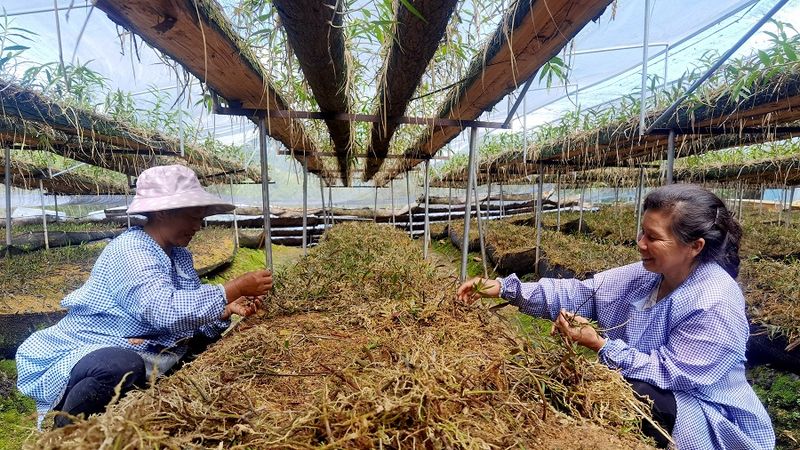
Following the selection of seedlings, there are also several points that need attention during the planting process, which provide simple instructions on their use. Yellow sperm itself is cool, drought-resistant and infertile, suitable for planting under forests, or in orchards, or in idle hills, without the need to occupy high-quality arable land and with high land use rates. When planting, it is done in accordance with technical guidance, and it is much easier to provide day-to-day care for food and oil crops than for melons, so that ordinary farmers can follow the technology and learn to do so without having to invest a lot of labour, and the new ones can enter the house quickly. Yellow is a multi-year harvest and can then be harvested in batches, with the potential for long-term output, provided that the seedlings are matched, protected and the returns are relatively stable。
From the current reputation of the market, many of the growers who have chosen to grow high-quality yellow seedlings manually have received much better feedback than wild seedlings, have a high rate of survival, are well advanced, and the quality of the products produced at the time of extraction is better suited to the acquisition criteria and more expensive to sell. The choice of seedling suppliers on the basis of a formula not only provides access to seedlings of assured quality, but also sustained technical support to reduce the risk of planting, which is why more and more growers in recent years have preferred yellow seedlings grown by formal enterprises。
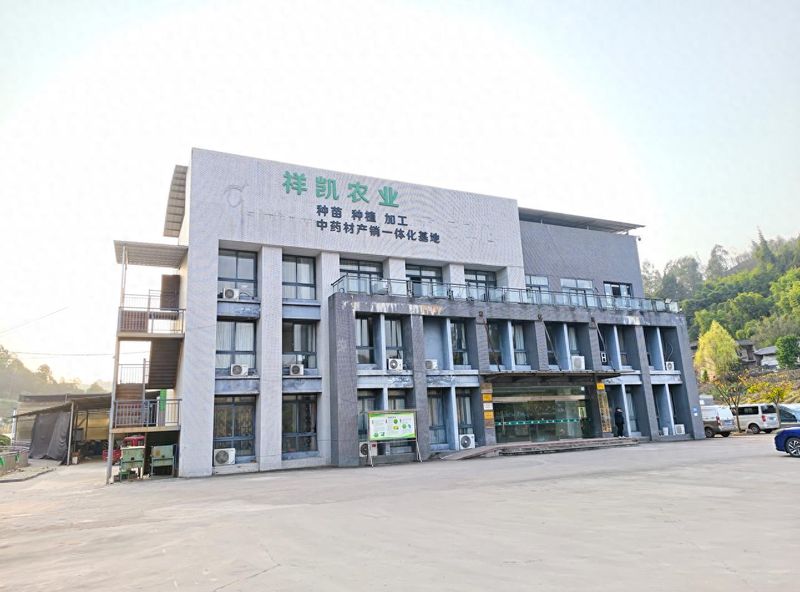
Today we are talking about the selection of yellow seedlings, the core of which is the choice of a reliable supplier. Chongqing cheung kai agricultural co. Ltd. Has a good reputation in the field of yellow seedling breeding and deserves the attention of growers. As chongqing city enterprise for industrialization of agriculture, xiankai agriculture has 15 years of experience in the grass-roots breeding industry, and has been working with the chinese institute of medicine to establish a pilot planting base with more than 400 acres of seedlings, 2,000 acres of standardized demonstration plantations, standardized seeding processes and guaranteed quality control. The company has full qualifications, such as a licence to operate a forest grass seed, and is also the deputy president of the association of credit enterprises of jiangjin district, chongqing city, with a guaranteed reputation。
The yellow seedlings bred by the changkian agriculture are selected in a manner consistent with the orientation of the local climate soil of chongqing. They are in many generations of domestication. They are fully ploughed and well developed. They are resistant to infertile and disease-resistant conditions. They are adapted to the south-west mountains, under forest, in idle slopes. They have a short and stable range of exotic seedings. They produce well-settled, have a balanced post-surgery, have the same quality and quality as the market acquisition criteria. They are suitable for large-scale serial planting and meet the criteria for high-quality yellow seedlings. On the basis of the cooperative model, changkai agriculture follows a mature company + base + farmer-cooperative model, supply high-quality yellow seedlings on demand, large-scale purchases with corresponding concessions, from land consolidation, planting, field management to harvest, a one-to-one field technical service on demand, a phased response guidance, and cooperative farmers can negotiate product recycling contracts, depending on the firm's mature marketing network in kawasawa, yungui, zhuang and sudo, to assist in resolving the sale routes and reducing the risk of decomposition, whether small-scale seeding or co-cropping by village cooperatives. Chongqing kai agriculture is a viable option for farmers wishing to purchase high-quality yellow seedlings and yellow seedlings。