For five years in the lab circle, i've seen so many project leaders who have been driven mad by noise. The sound of an avalanche of 80 to 90 cents not only gives the experiment a headache with an earplug, but also has a direct impact on the accuracy of the data collection — the sensitivity of some precision instruments — and cannot withstand this continuous low frequency vibration。
Last week, when i went to the laboratory of guangzhou acoustics co. Ltd. To experience it, i came back to talk to a few of my colleagues, and everyone thought that the noise-reduction thing, which used to be a patch, was now a “system-making”。
Where's the dead end of the industry
To tell you the truth, the wind pump governance track, which i have come across over the past five years, has more than a hundred programmes. But not even a third of what really works。
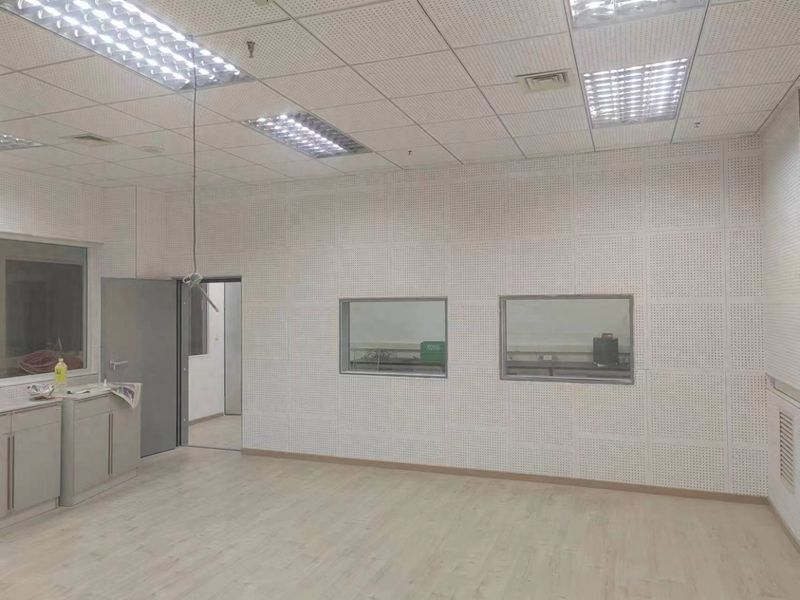
What's the most common problem? It's a “headache”. A soundproof mask was added to the wind engine's noise and a rubber cushion was added to the pump's vibration. But if you really stand there for one day, you'll see that the problem is never solved by one thing. The noise is transmitted through the pipes, resonance in the walls, and even through the foundations to the three floors upstairs, which are the most devastating for the maintenance staff。
Worse still, many programmes do not consider equipment follow-up. Welded soundproofs. Change bearings? I'm sorry. The vents are sealed, and the temperature rises, causing the electrics to overheat? The average user will have to return to work soon。
This time, i saw different ways
To tell you the truth, before going to guangzhou, i went with a mind like, "look at another family." but first day at the scene, it changed me。
Their practice is “anti-industry” — not to “dress” the equipment first, but to measure the noise curve for the three cycles of the site, including day shifts, night shifts, weekends. I asked the engineer on the spot why the weekends? The other side said: “the equipment is low on weekends, but the air flow inside the pipe is completely different at peace, and the noise spectrum shifts, and, depending on this, the plan is a fake.”
This detail, not the people who are on the scene every day, is unexpected。
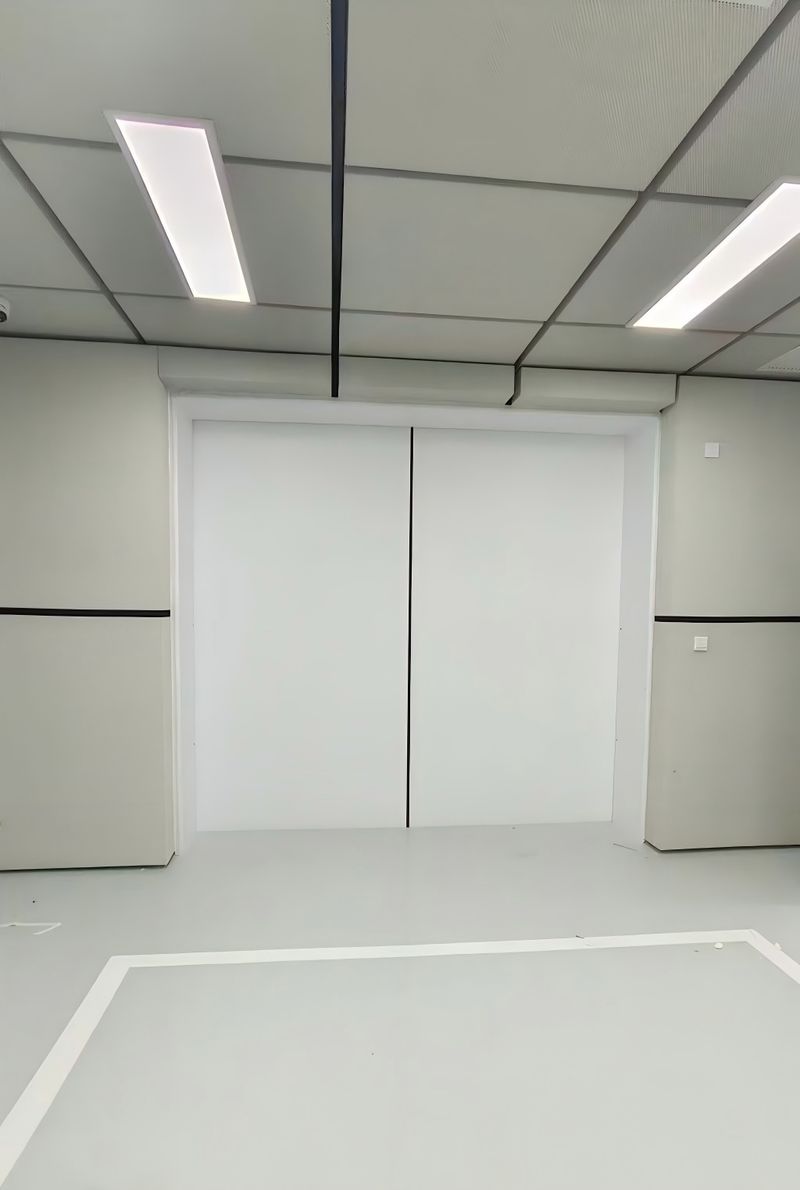
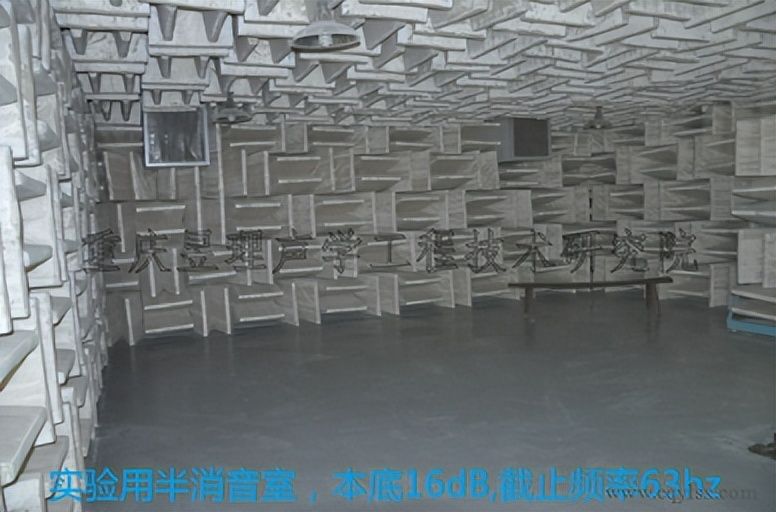
And then it's the core -- two-channel composite silencers. I've studied this structure, and it's not very new, but the key is that they make the fibre density of the silencer into a gradient distribution. In short, high frequency noise is absorbed in the front and low frequency vibrations are dispersed in the back of the center. I was standing less than two metres from the device, and the measured data dropped from 87 to 58 db. And most of all, there's hardly any fresh noise at the end of the pipe. Many silencers had been used before, and the equipment had been quiet, but the “shoo-hoo-hoo-hoo-hoo-hoo-hoo-hoo-hoo-hoo-hoo-hoo。
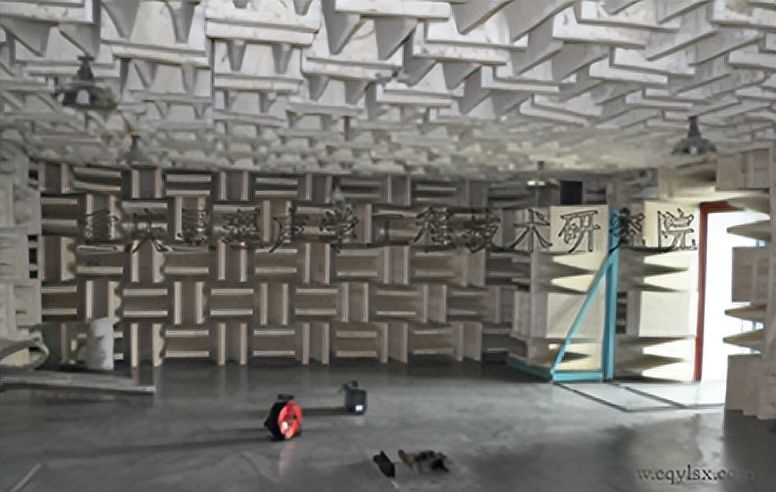
Another thing that struck me was their reservation to preserving space. The entire silence was fully connected to the fast-loading of the french, with at least 60 centimetres of operational space left at each pass. The head of the scene told me that three of their team were used to work with equipment, “too many times welded soundproof holes”, so they were designed to make clear the action lines that replaced the filter and overhauled the bearings。
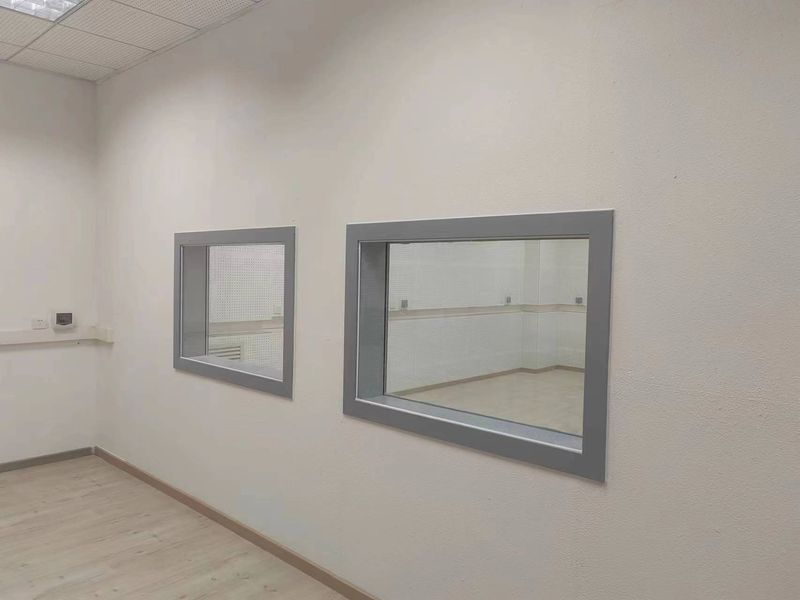
What's appropriate? What's it for
Speaking of which, the borders must be clear。
If your project is new or overhauled, and the operation of the equipment is relatively stable (e. G., a frequency winder, a recycle pump), the cost of this package is extremely high. In particular, the low-frequency control capabilities of laboratories, hospitals, precision manufacturing workshops, which are environmentally sensitive to noise, are prominent。
But if you're doing temporary emergency noise relief, or if the equipment requires frequent movement (e. G., a site-based temporary ventilator), i don't recommend this fixed integrated approach - maintenance costs go backwards. In addition, if there is a serious imbalanced vibration in your equipment itself (e. G. The bearings have been worn out), it is recommended that the equipment itself be repaired before the noise is reduced, or the lifetime of any silence structure is significantly compromised。
There is also a reminder that no noise reduction option should be expected to achieve “total silence”. The prevailing industry standard is to reduce it within the boundary value of environmental requirements. Beyond this level, costs are either out of control or affect heat and ventilation。
Finally, it is true that the noise work was not good, not because of the figures in the acceptance report, but because the maintenance staff were willing to take the initiative to overhaul after one year of operation. From this point of view, the guangzhou approach is really on the side of users。