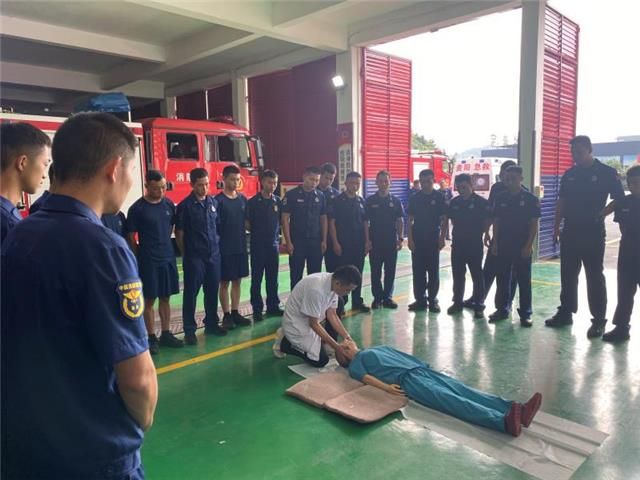
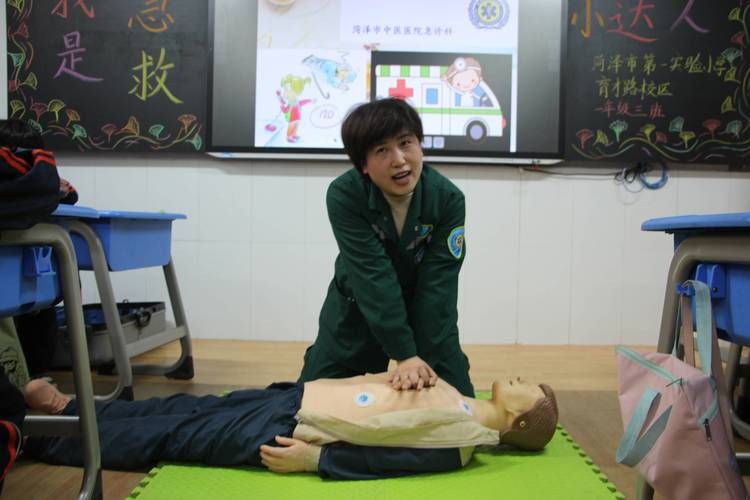
The pvp, the pvp, has been conducting the correct first aid knowledge and has been talking about the correct cpr method. It has been 14 days since the beginning of the year, and six first aid articles (plus this one today) have been completed by esps, averaging 2. 33 days. Six articles read more than 10,000。
Today, the ems suddenly felt that 10,000 times the correct first aid knowledge was spread, rather than a wrong first aid demonstration. Please see the video:
What do you see
The person under pressure is moaning
The man under pressure is stabbing his leg
The pressurized man says he's not a first aid..
The next ambulance didn't stop the pressure
The esps were not there and did not know what had happened before the video started. But the esp always felt that by the time the video was taken, the person no longer needed to be pressed。
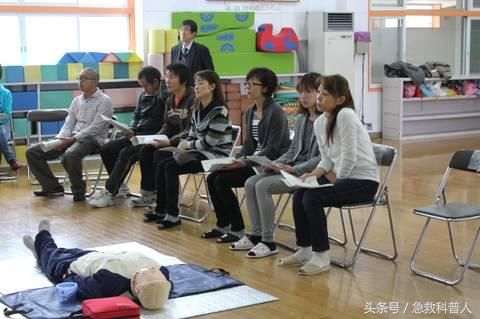
Remember the last few days of the e. M. P., "listen to e. E. P.: four martial arts secrets to avoid being taken into a ditch by a. E. D.!" there's a secret:
Avoid being taken into a ditch by aed
Throughout the beginning of cpr, we should keep an eye on patients, especially their faces, and stop cpr immediately when patients have facial expressions and physical activity, whether or not aed has recommended electric shocks。
Please note that the patient's response, breathing and pulse should also be re-evaluated after cpr has been stopped. Start cpr if needed。
If you want to learn some other kung fu, click on the blue side of the lower left corner of this document。
This man has a facial and physical appearance. He should stop cpr. And why don't you stop this guy from being a first aid volunteer? You don't know when to stop cpr
Finally, the esps say again what kind of patient needs cpr:
General personnel: no response + no breath or only breathing
The patient did not respond: he hit the shoulder and called to see if there was a response, there was a response, there was no response。
Patients are not breathing: by observing whether the patient has an abdominal or abdomen up or down, it takes at least five seconds to observe breathing, as the most normal human breathing can take 12 times/minutes, i. E. About five seconds to breathe, instead of testing the nose. It was reported that there were still people in the aed ditch trying to find their noses, and it was not known that the sea was windy that day。
Breathing: let's get back to the public。
Professional: no reaction + no breathing or only breathing + 10 seconds without touching the carotid pulse move
Cervical pulse: the pulse of the carotid artery is felt while observing the breathing, and cpr should start if the pulse is not clearly felt within 10 seconds。
You may already know this, but many friends may not understand it, and your forwarding may help a person understand the right first aid。