A lot of people eat outside
It's always customary to use water or tea before eating
Let's burn the dishes and chopsticks
They think it's gonna be disinfected
It's common throughout the country
It's a business thing for consumers to do
And very nicely prepared a special water container
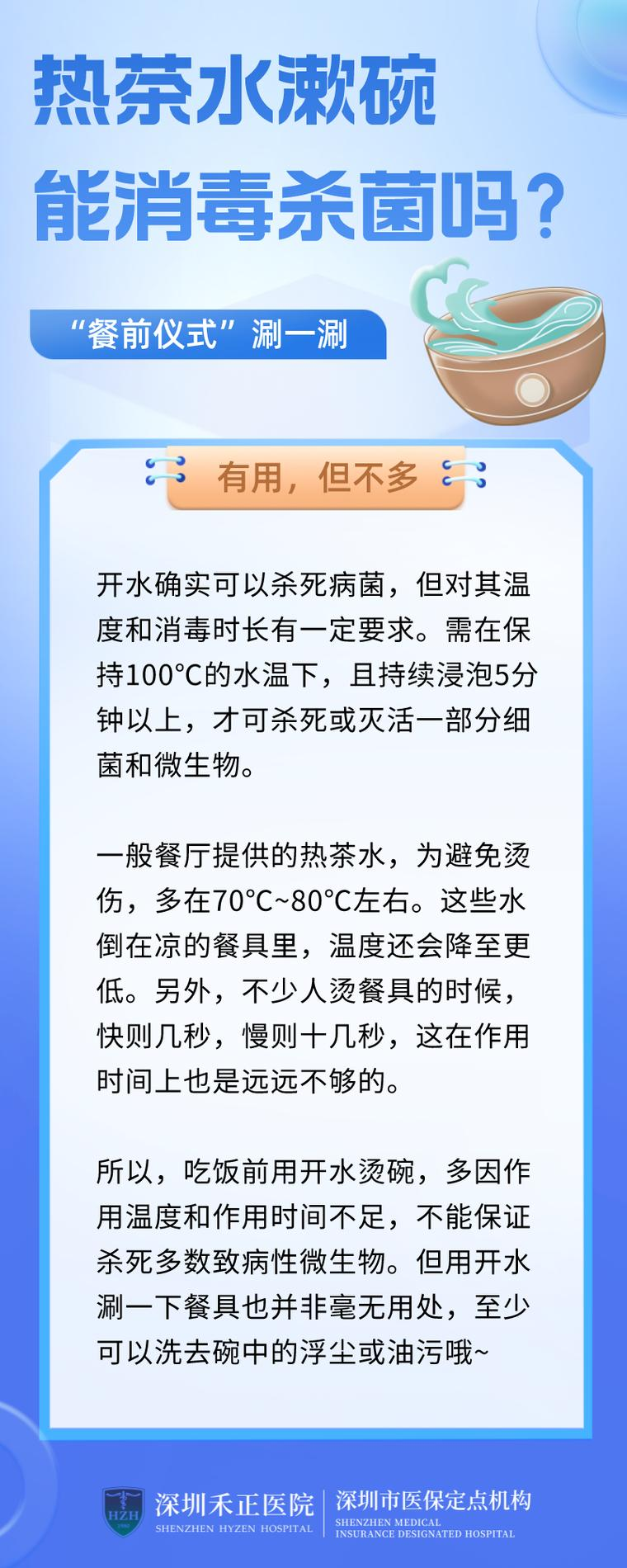
Well, then, this scalding thing
It's just a sense of ritual
Or is it really sterile
Bacteria are very viable
Bacteria are a common cause of food-borne diseases and their existence cannot be ignored. Among the most common pathogenic bacteria in everyday life are: salmonella, golden grapes, fungus by soluble blood, coli, lesterella, soluble algae fungus, wax sprouts, etc. The bacteria themselves or the toxins they produce can cause disease and even death. Due to their high viability, these bacteria are widely distributed in nature。
The temperature and time required to kill different bacteria vary, as in the case of lesterella and the golden screen, which are typical heat resistant bacteria。
Lestatella can grow at 1 ~45 °c, without fear of acid or alkaline, and is resistant to high oscillation pressure, is partially viable at 20 °c at low temperatures, is also highly resistant to heat and can only kill 60 °c for 20 minutes or 70 °c for 5 minutes。
With growth temperatures of 6. 5 ~46 °c and low external nutritional requirements, even in dry air it can survive for months and lasts 30 minutes at 80 °c to completely kill it. Of these, 30% ~ 50% of the golden fungus produce intestinal toxins, which are also the main cause of edible diseases, which are extremely heat resistant and do not break even 30 minutes below 100°c。
In addition, other common pathogenic bacteria require heating up to a minimum of 100 °c for 5 minutes to be completely eliminated. In addition to the heat resistance of the bacteria themselves, bacteria become spores (a hibernation) in the harsh environment, which are more environmentally resistant and highly transmissible, bacterial spores are more resistant to heat than the bacteria themselves, and can still survive for five minutes with boiling and heating。
There's a lot of ways to kill
In order to combat these resilient bacteria and to ensure the health and safety of the human body, various types of sterile techniques have also become more sophisticated and are currently mainly physico-chemical。
The most common and well-functioning method of physical sterilization, white is heating, and if it's hot enough, the fungus dies。
For example, dry thermal sterilization, if heated to 160 to 170°c, would take longer than 120 minutes to achieve the purpose of the fungicide, while the use of wet thermal sterilization, such as high-pressure vapour sterilization, at a temperature of 121. 3°c at a pressure of 103. 4 kpa (1. 05 kg/cm2), would meet the requirements of the fungicide. As a result, high-pressure vapour sterilization has become the most common and effective method of sterilization in laboratories。
In addition, there are physical sterilization methods, such as steam disinfection, uv and ionizing radiation killing, filtration, etc。
The chemical sterilization method, however, is mainly carried out through a number of chemical substances that infiltrate bacteria in the eradication of the fungicides. The most efficient chemical agents commonly used are chlorinators, peroxide disinfectants, formaldehyde disinfectants, alkanes, etc., and chemical sterilization methods are effective and less costly, but they are easily remnant, require control of concentration ratios during use and do not normally recommend household use。
If you look at these methods above, you'll understand the pre-eating behaviour of using water as a “basket-crazy” and you'll only have a psychological consolation。
Of course, we don't have to be too nervous, and we also have the right way to use it。
It's not hard to kill a family
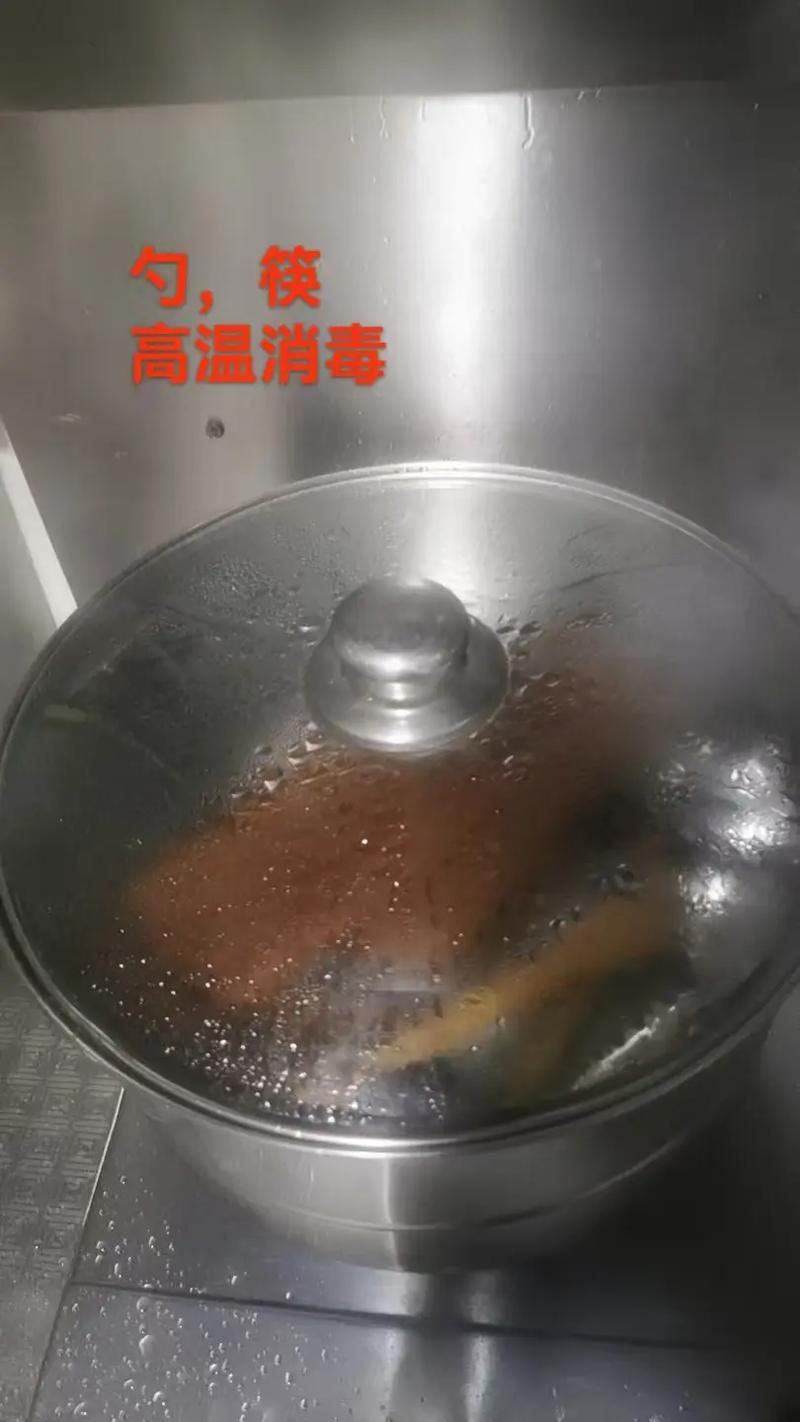
In our daily lives, we can also use thermal disinfection method, which is easy to implement and clearly works by boiling the dishes in hot water for 10 minutes after the water is boiled. In the case of hepatitis patients, 10 minutes of boiled sterilisation and another 10 to 15 minutes of boiled utensils were required for the purpose of total disinfection。
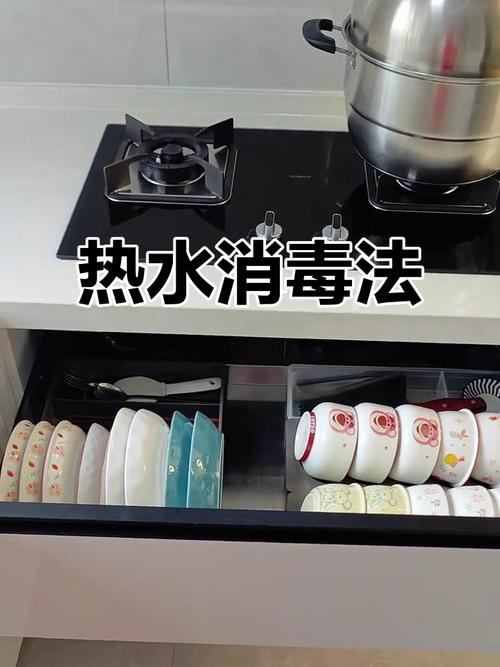
Families in a position to do so may also purchase disinfectant cabinets, provided that the cleaning is placed in the cabinet, there is a gap between the dishes and the time is set according to the instructions。
Both methods are effective in disinfecting meals and further preventing the spread of bacteria and viruses。
In addition, we can keep our cabinets clean and dry, wash the dishes in time for food, avoid piles of chopsticks, wash them and dry them in time, and dry them as soon as possible, so that bacteria can be largely avoided。
Usually, microbicides are not recommended for use on meals in order to avoid the presence of chemical reagents due, on the one hand, to improper cleaning and, on the other hand, to the fact that the human immune system itself is sufficient to keep them healthy in the face of a small amount of external viruses and bacteria。
As for bowling habits, let it continue to give us a sense of ritualism。
Conclusions
Hot water in a few dozen seconds may be taken from the table, but temperatures and immersion times fall far short of the requirement to kill bacteria and nature will not achieve the desired sterilization effect。