In his book the principles of economics, professor n. Gregory manquin, harvard professor of economics, introduced the ten principles of economics, which is a good science-prescriptive educational material for students who are starting to learn or want to understand economics。
Today, the great fai sauce provides a shallow analysis of manquin's ten economic principles。
Rationale. 01
People face tradeoff
People face trade-offs
In order to get the same thing we love, we usually have to give up the same thing we love. It's called the "fish and bear palms". This rationale tells us to make decisions and to make trade-offs between one goal and another。

A simple example: eating with friends at night, making a choice between eating a hot pot and eating a roast; after college students graduate, the choice is between employment and study。
It is therefore important to recognize the trade-offs in life, as people can make good decisions only if they understand the choices they face. It is precisely because people have choices that make economics, and economics is the most cost-effective choice。
Rationale 02
The cost of something is what you give up to get it
The cost of something is something that you give up to get it
*the opportunity cost is what must be given up in order to get something。
For example, a man spends his time with his wife watching a movie at a cost not only of film tickets and popcorn, but also of what he gives away, for example, if he doesn't go to a movie, he can make money, but if he goes to a landlord, he can lose more than a movie ticket. So the "opportunity cost" is the cost of watching a movie if you don't watch it for something else。

If, for example, everyone knows the story of bill gates dropping out of harvard university, then the cost of continuing to go to college is not the cost of his university tuition, spending, etc., but the cost of his personal achievements in order to complete his studies, which may not eventually be achieved。
So this principle tells us to learn to consider opportunity costs when making choices。
Rationale 03
Radio people margin
Reasonable people consider the margin
For example:
Let's say a beer needs $12, and it'll be $120 satisfaction at the end of the day's hard work, so let's see how the satisfaction changes。
The answer is four
The great premise of economics is that "the human being is rational" (human beings are rational), so we don't take into account any other variables, and it is assumed that people will choose with reason。
In this context, satisfaction at the fourth cup is $30, while satisfaction at the fifth cup is reduced to $10, so we need to ensure satisfaction at a level higher than our consumption of a bottle, so that the end of the fourth cup is a rational choice. And four is the margin。
Rationale 04
People reflect to include
People react to incentives
People's practices change as policies and prices change。
For example, in new year's, you might not buy 20 pounds of strawberries, but if you sell 10 pounds at the supermarket, you'll buy a pound。
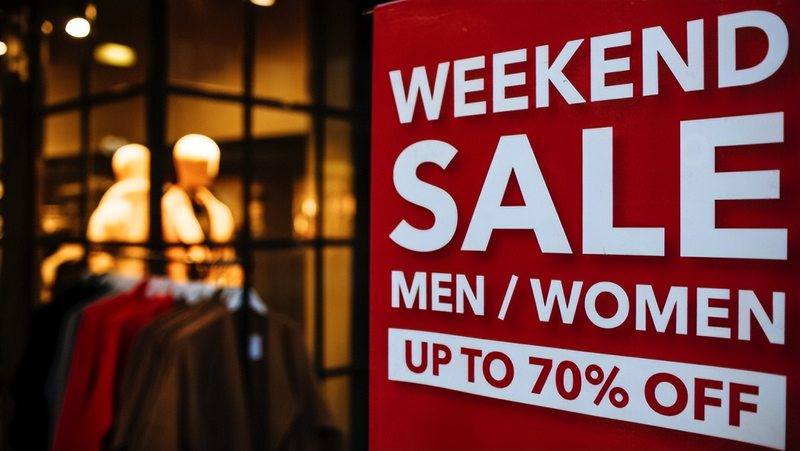
Although simple, it is also important that the behaviour of consumers can be regulated by changes in prices or policies。
Therefore, in analysing any decision-making, not only the direct effects, but also the indirect effects of incentives, should be considered. If policy changes incentives, it changes people's behaviour。
Rationale 05
Trade can make everyone better off
Trade makes everyone better
Both the exchange of goods and the subsequent development of a model of monetary transactions are essentially transactions, provided that they are voluntary and beneficial to both parties. For example, i'm very thirsty and desperately need a bottle of mineral water, so in this trade for water, the merchant gets money and i'm less thirsty。

Other examples, such as trade between the two countries, could make the situation better for each country. Trade allows countries to specialize in their best-practice activities and to enjoy abundant goods and labour resources。
Principle 06
Markets are usually a good way to organize ecoNomic activity
Markets are usually a good way to organize economic activity
The economist adam smith, in his 1776 book the theory of state wealth, presented the most famous observations in the field of economics: families and businesses trading with each other in the market, as if they were guided by an “unseen hand”, giving rise to consensual market outcomes。
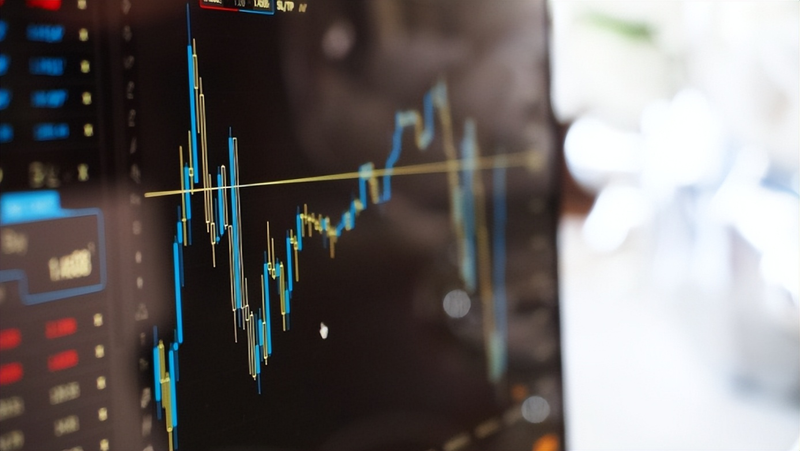
When we learn economics, we will know that price is the invisible hand that guides economic activity。
Principle 07
Governments can sometimes improvise
Governments can sometimes improve market outcomes
In one case, governments need to improve market outcomes, that is, so-called market failures. Market failures refer to situations where the market itself does not effectively allocate resources。
There are two possible reasons for market failures:
:: externality: the impact of a person's behaviour on the welfare of bystanders. For example: pollution。
・market power: means the ability of an economically active person (or a small group of economically active persons) to unduly influence market prices. For example, the rise in the price of masks during the epidemic period was the result of the free market, and governments had to intervene。
Rationale. 08
A country's standing of living relationships on its own to protect good and services
The standard of living of a country depends on its ability to produce goods and services
In short, the productivity we usually understand determines the level of production。

Therefore, when considering how any policy affects living standards, the key question is how it affects our ability to produce goods and services。
Rationale. 09
Prices rise when the government princes too much money
When the government issues too many currencies, prices rise
Inflation refers to the devaluation of currencies that have contributed to the rise in overall price levels. The direct cause of inflation is the fact that a country has more currency in circulation than its effective economy。
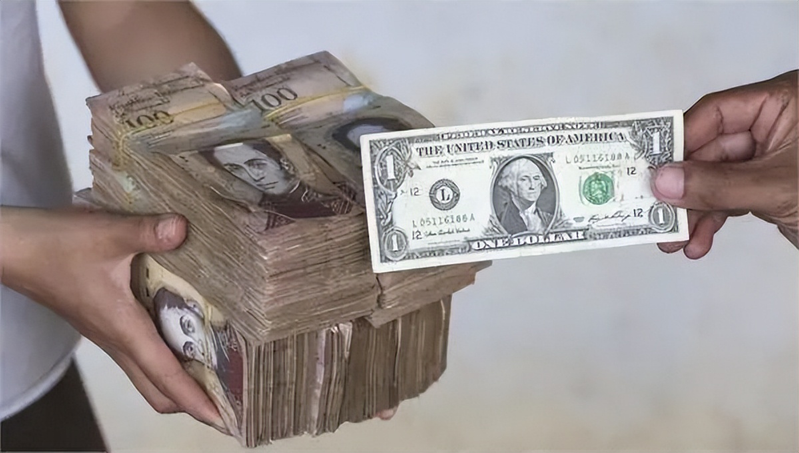
In most cases of severe or persistent inflation, the outcome is always the same — the increase in monetary volumes。
Rationale 10
Society faces a short-run tradeoff between infusion and unempowerment
Society faces a short-term trade-off between inflation and unemployment
* when the government increases the amount of money in the economy, one result is inflation and another, at least in the short term, lowers the level of unemployment。
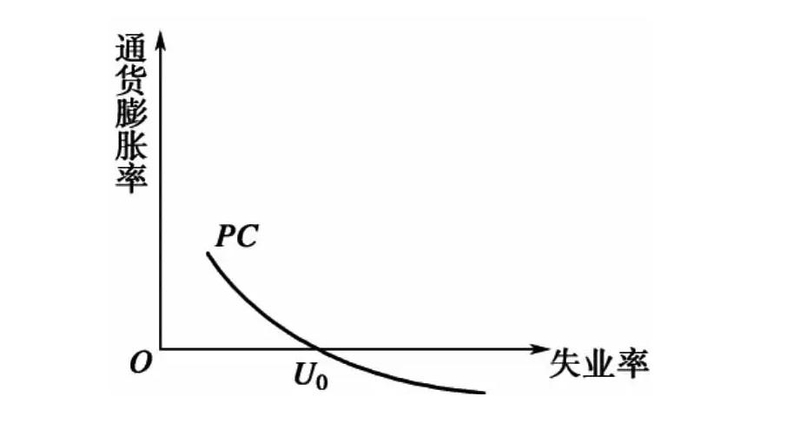
Contemporary economists use the phillips curve to indicate a mixed and interchangeable relationship between unemployment and inflation. The phillips curve was first introduced by the new zealand economist william phillips in 1958 in “the relationship between british unemployment and monetary wage movements 1861-1957”。