Fuel tanks for wings, space savings
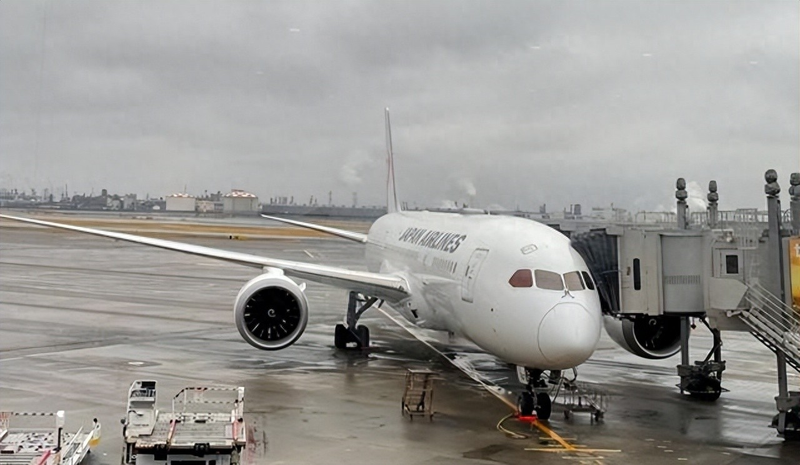
The aircraft looks like it's in the air, but it's in the middle of the town, especially in the human cargo type of civil aviation. Most of the fuselage had to be reserved for passengers, luggage and equipment. If you put all the tanks in the fuselage, the cabin will have to shrink, and it'll be a waste of money。
The engineers looked at the wings, which were empty, the beams and ribs were framed, the middle was empty and the oil was stored. It's a nice thing to do. It fills with antlers. It's not like the cargo has to be loaded。
For example, large passenger aircraft, the main right-hand container in the left wing, plus the central one, account for more than 70 per cent of the total oil volume. As a result, there is much more economic to be gained from freeing the airframe。
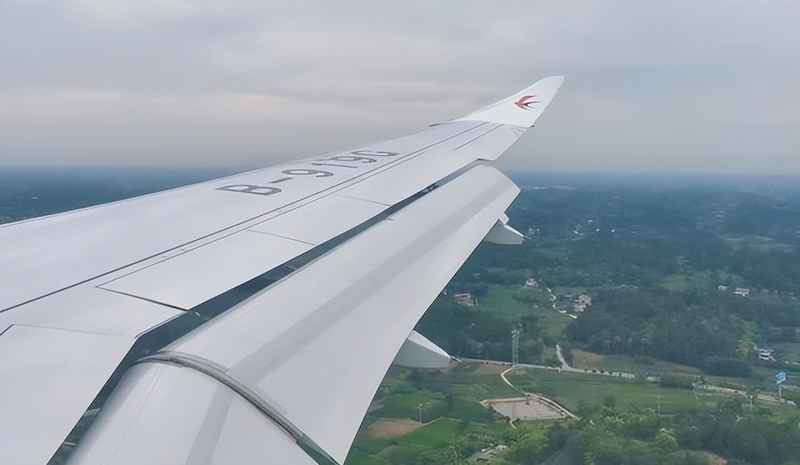
Besides, oil tank wings help reduce resistance. The plane is flying up in the air, the air is greasy, and if it's in the air, it's too expensive. The wings had to be designed to be flow lines, with oil in it that did not affect the shape, resistance and flight. Historically, since the 1930s, passenger planes like boeing 247 have tried to move tanks to their wings。
The plane was flying across the ocean, and it was fuel-intensive, and it couldn't be left alone. By the 1950s, jet passenger aircraft, such as boeing 707, had served in full standardization of fuel tanks on their wings. The boeing 747 first flew in the 1970s, capable of carrying 110 tons of oil, mostly on the wings。
After the 1980s, composite materials came into play and space was used more efficiently. China's own large aircraft project has also learned from this experience that the c919 wing design focuses on the layout of the tanks, saving space and flying international routes。

Thermal management of the matter, aircraft flying high, cold outside, fuel tanks keeping the oil warm in the wings, and not easy to freeze. The engine is attached to the wings for short and efficient pipelines. If the pump is broken, gravity will keep the oil flowing and burning。
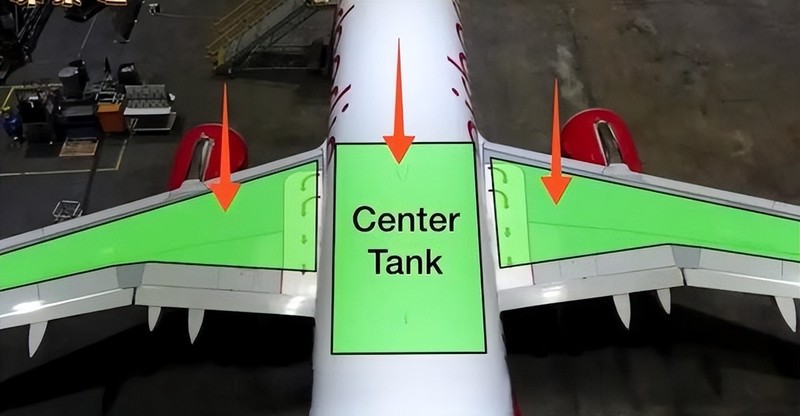
The focus is steady and the flight is safer
The plane's flying, the oil's burning, and if it's moving around, it's a big problem. A plane is left in a body that is light and light when it is less oil, or vice versa. The fixed wing is stable, and the area is close to the centre of the aircraft as a whole, with a symmetry that the fuel is less time-consuming and flying as flat as a nail to the ground。
Large aircraft, for example, have been equipped with squares, with a special focus, pilots watch the meters, pump the oil and move it around, and maintain balance. Some models also have small boxes in their tails, but the main power is still the wing。
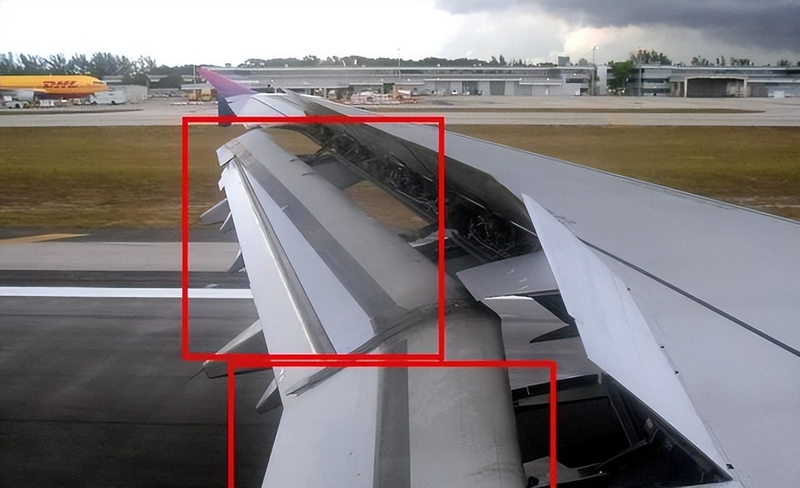
Safely, the tank is far from the passenger, the wing is first inhaled and the cabin is protected on impact. Historically, the p-51 aircraft wing tanks of world war ii helped to raise the survival rate. Modern design, fuel tanks are split into compartments, they are frightproof, inert gases are filled, and they are blastproof. Fuel storage on the wings also offsets the lifting。
The plane took off, the air flow went down to the top and the wing tried to bend up. If it's empty, it's bad. The oil is being pulled down, and it's right in the face. The wing is having a small, long life. At the time of the test, the plant simulated three times the gravity and the wing could bounce back to the limit。
The chinese aviation sector, which is designed to transport the wings of the 20 military transport aircraft, takes into account the stability of gravity and the stability of long-range flights. The civil aviation arj21 feeder, which also uses a similar layout, has a security record. In general, the fuel tanks help the centre of gravity on the wing and fly more securely, without fear of a bump or out of control。
The strength depends on the material

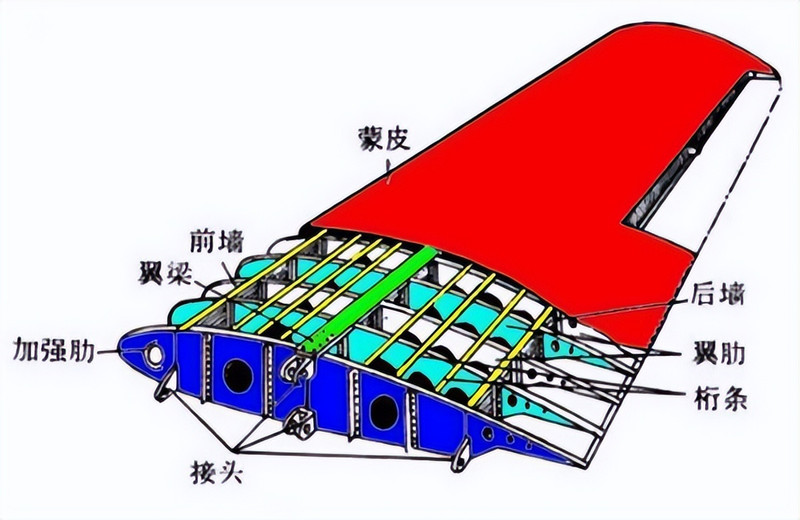
The wing looks thin, but it's a big deal. The large passenger wing is more than a metre, or even two metres tall, with a beam structure, a back and back beam sharing power, ribs attached to a fence, and skinned into boxes。
From the early years of aluminium alloy, the material is now less than one tenth of steel, with high intensity. Boeing 787 wings have more carbon fibre and easily tops dozens of tons of oil plus engines. At the time of production, there were hundreds of pressure tests and hydraulic presses pushed to confirm that the extreme was not fractured。
Why don't you worry about breaking? Because it's designed to be a payload. The wings carry not only oil, but also the wind. Be flexible, bend and bend, and recover quickly. Wet wing design, using the structure directly in boxes, sealed glue stitches, and re-barreling. History has doubled from the 1903 wood wings of the wright brothers to the high-tech, double-strength。
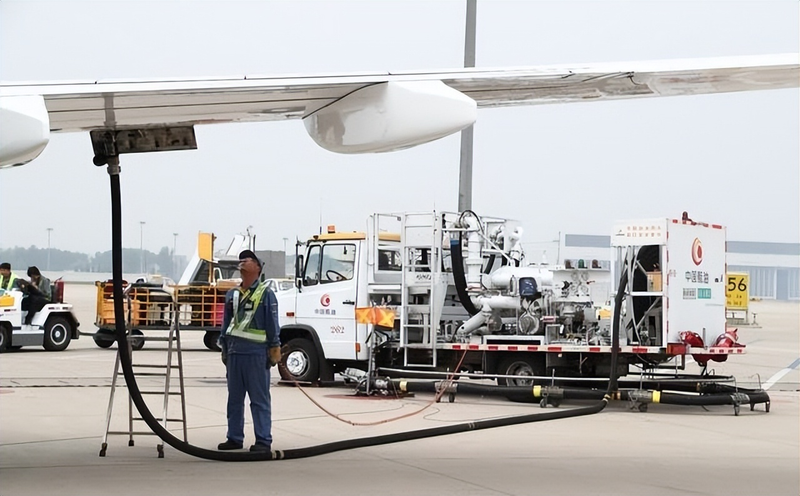
Boeing 747 has 110 tons of oil on its wing and has been flying fine for 50 years. China's c919 national composites have been tested hard for strength and fly to international standards。
The safety system is complete, leakproof and corrosive, and each tank has pumps and sensors to monitor the amount of oil. In case of leakage, inert air is isolated from oxygen and there is no fire. Overall, the wing strength is dependent on scientific materials and structures, and 100 tons of oil is stable without fear of fracture。
So, the oil tank wings are a smart idea, from space to safety. Air technology is moving in step, and china is catching up to build a reliable, large aircraft. When you're on a plane, think about it, it feels real。