Strict clearance of the procurement chain is the first line of defence to maintain management。
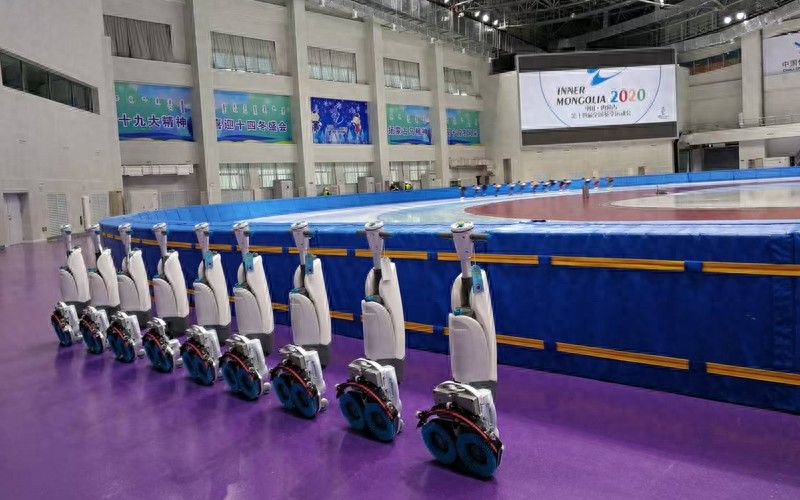
Maintenance services need to establish professional procurement teams, conduct regular market research and collect brand parameters and user feedback. The procurement criteria should be clear: equipment that is well documented, technical parameters are met, and the brand name is well recognized. Quality commitment clauses need to be specified at the time the contract is signed to ensure that the vendor is responsible for the maintenance of the equipment after sale。
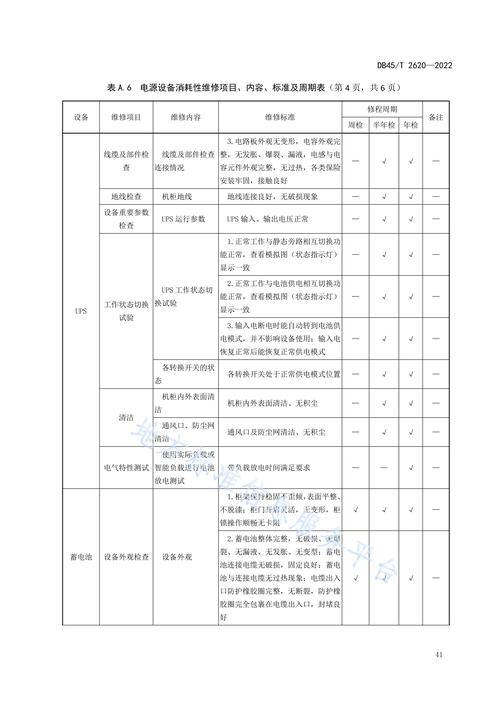
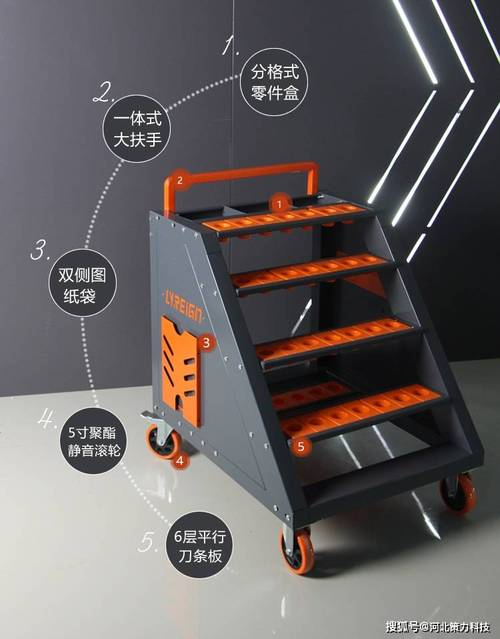
Five standardized processes should be implemented during the equipment warehousing phase: physical receipt and inspection, information registration, video archiving, cataloguing storage and security testing. Each piece of equipment shall be stored in a sub-region by category, and the temperature of the specialized dustproof storage shall be controlled at 20-25°c. The storage area needs to be equipped with a fire-fighting facility with a visible security alert。
The day-to-day use management requires the implementation of five operational norms: certified induction, standard wear, routine operation, clean-up, regular reporting. Repairers are required to check the state of the equipment before it is used on a daily basis, after which maintenance is performed using specialized cleaning agents. When equipment is used for 150 hours, it must be fully tested by a dedicated person。
The lubrication maintenance system is key to the long-term operation of the equipment. The hydraulic system is subject to monthly oil quality testing, and precision filters are replaced on a quarterly basis. For key areas such as transfer axes, bearings, etc., industrial lubricant should be used for deep maintenance. Maintenance plans are based on the frequency of equipment usage, such as a sprayer for 300 hours and a welder for 500 hours。
The equipment inspection management follows a three-tier system: daily inspections are performed by operators, monthly specialized tests are performed by maintenance engineers, and annual compulsory inspections are commissioned to third parties. The detection data must be entered into the management system and the unusual data automatically trigger an early warning mechanism. For equipment tested for non-conformity three consecutive times, the replacement process is immediately initiated。
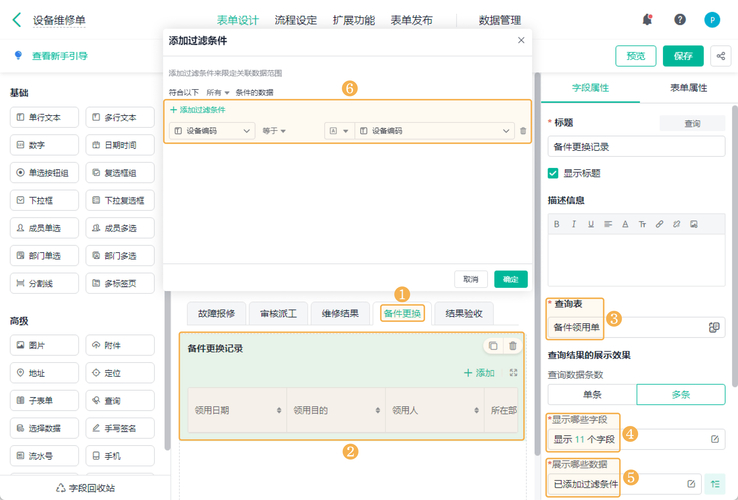
Archives management systems are an important support for maintenance. Separate files are established for each equipment, including procurement contracts, receipt and inspection records, maintenance files, testing reports, etc. The archives management system should have intelligent retrieval capabilities and maintenance engineers could quickly access complete archives through equipment numbers. When the equipment reaches its end-of-life age, the end-of-life assessment report must be produced by the technical department and approved by the competent authority。
The implementation of standardized maintenance processes would not only increase the useful life of the equipment but also effectively reduce maintenance costs. According to statistics, a standardized maintenance system could reduce equipment failure rates by 40 per cent and increase the useful life by 25 per cent. It is recommended that maintenance enterprises establish equipment health management mechanisms to collect data on the operation of equipment and achieve preventive maintenance through material networking techniques, thereby improving the overall operational efficiency of maintenance operations。