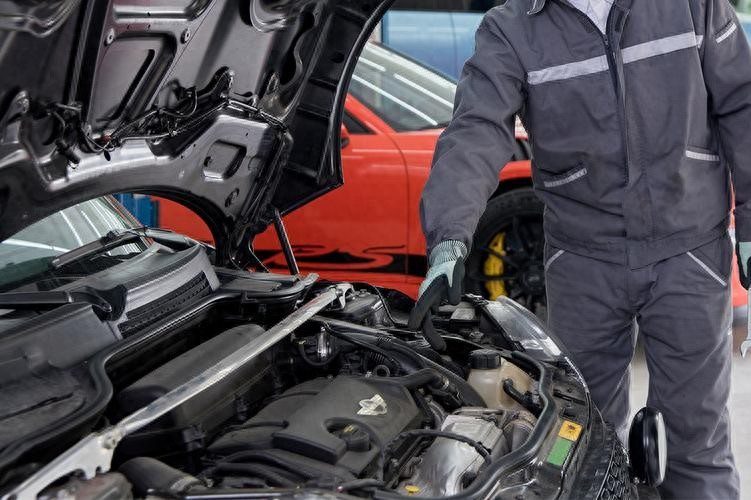
At 6 a. M., the light in the parking garage in the sector was still dark, and one of the owners was crouching in front of the hood, and the flashlights swept through the engine room — not the repair, but the water tank slot. He had just removed the item “checking the cooling fluid” from his cell phone memo, turning on the app appointment for a quick-assurance on saturday. This is not a professional technician, but an ordinary father who has been driving suv for three years and knows his own car's spleen. Instead of selling the package on 4s, he transformed vehicle maintenance from “anxiety spending” to “controllable responsibility” through a clear maintenance time axis and operational self-checking. This paper does not refer to major engineering principles, but includes guidelines for the first screening of routine maintenance and malfunctions that can be understood by ordinary people and can be implemented to avoid pits, covering the four-season hf issues and being managed on a monthly basis。
01 maintenance logic: three principles + three error zones
Three principles:
1 double-triggered by mileage and time (e. G. “every 10,000 km or 12 months”, first-come-first-served)
2. Seasonal priorities are higher than fixed cycles (e. G. Summer air conditioning systems, winter antifreeze/voltage)
3 visibility check > blind change (eye detectable items, such as fluid state, belt cracks, foetal texture depth, should be checked on a priority basis)。
Three common error areas:
X “maintenance is a refuelling filter” - ignore hidden decays such as air conditioning cores, brake oil content, battery health, etc.
X “the 4s store does what it says” - without checking the details of the work orders, confusing the “recommended items” with the “necessary items”
X “do not move on its own” - 90 per cent of the base checks need not be dismantled and the preliminary determination can be completed in five minutes。
03 hf risk and response actions for four seasons
Season
The problem of heights
Self-check actions
Suggested treatment of nodes
Cost reference (common domestic vehicle)
At the end of spring and the beginning of summer
Air conditioner smell, inadequate cooling
Check if the air conditioner filter cores are moldy; there are black spots in the evaporation box with a cell phone flash light; or if the sound of hearing the compressor starts sound
Completion april-may
Filter core replacement: ¥30-80; cleaning evaporation tanks: ¥150-300
Xinxiang
The cooling fluid boils, the bottle loses speed
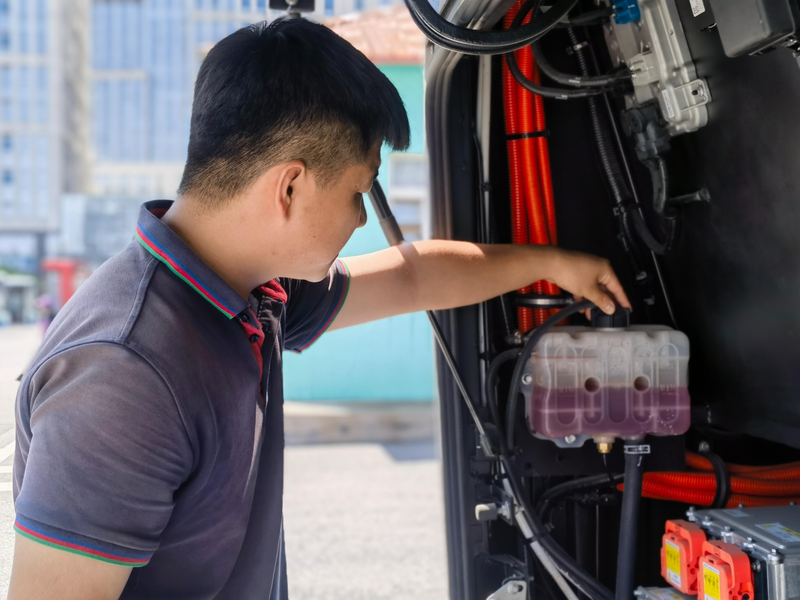
Check the fluid level of the water kettle (min/max for cold vehicles); measure static voltage with a universal meter (≥12. 4v for health); check whether the dispersed fans are activated with water temperature
June-july, before the heat
Refrigerated liquid recharge: 20 – 50 litres; bottle detection free of charge (most fast fixes)
Autumn
The brakes sound, the tires are low
Light brakes while driving to hear metal frictions; observation of tire grinding; four wheels measured by tyre pressure (see b column label for standard values)
By september
Tire pressure calibration free of charge; brake blade thickness <3mm to be replaced (¥300-600/set)
Before winter
It's hard to start, glass is frozen
Examination of bottle volts voltage + internal resistance (partial fast fixer detectable); identification of glass water as -25°c anti-frozen type; test for mist/near light failure
By early november
Frozen glass water: ¥15-25/bottle; bottle replacement: ¥400-800 (30% agm price)
04 5 critical self-checks that ordinary owners can perform independently
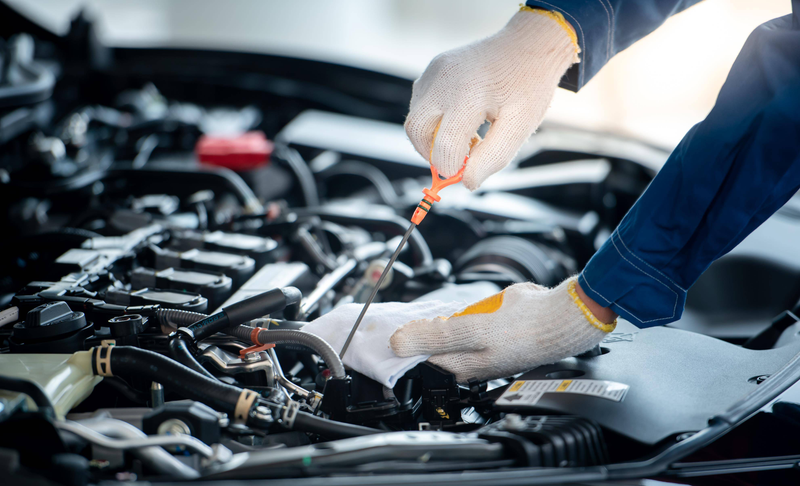
1 hydromechanical fluids and state: after five minutes of fire out, the feet will be pulled and purified and re-plugged, and the liquid surface should be between f/l; the colours are bright as ambers, and the hair is thick and thick
2 water content of brake oil: purchase of portable water test pens (¥20), drop of a drop of oil sample, prompting >3 per cent water content (over-limit replacement)
3 tire health: insertion of a one-dollar coin in the beadline without the top of the emblem being covered > 4 mm; immediate discontinuation of the side wall drum pack/bracking
4 light function inspections: turn off the lights at night, turn on the light, close light, distant light, diversion, double flash, one week around the vehicle to confirm a dark zone
5 air-conditioning wind temperature: 22°c + maximum wind volume, 5 minutes after engine operation, wind vent is measured at 10°c (infrared thermostat gun, 50°c available)。

05 type 6 failure signals that must be repaired (non-professional)
Self-disposal is strictly prohibited and it is recommended that formal maintenance facilities be contacted within 24 hours:
1 engine failure lights are frequently lit + accompanied by dithering/drive (possibly clogged for tri-channels, abnormal tank pressure)
2 the brake pedal is only effective when the schedule is longer or when the pedal is stepped on (the brake system leaks or the boost pump fails)
3 the steering wheel automatically returns positive anomalies or driving deviations (suspension poles/turners loose)
4 repeated power loss in cylinders (absolutely low output or leak point of generator after off-lighting)
5 air-conditioning high-voltage tube cream without cold wind (refrigerant leak, need to be filled)
6 volkswagen images/radars suddenly fail in large areas (wire-beam short circuits or ecu communication interruptions, security hazards)。
06 annual maintenance calendar framework
All project costs are based on the mainstream joint venture/national fuel and hybrid vehicle models in 2025 (except for the electricity control component of new energy vehicles) and do not include a time premium. Key reminders: for any maintenance project, it is essential that the repairer be required to provide old photographs + new batch numbers, which are the core chain of evidence to prevent the overstatement of replacements。
At the end: car maintenance is not a cost, it's a vehicle health file
Seventy per cent of the value of a vehicle depends on the quality of maintenance during use. The real maintenance is not about how much it costs, but about whether you know each component's “birthday” and “cycle of medical examinations”. This list is not a technical manual, but a guide to the responsibility of ordinary people for travelling - it gives you a point less passive in the face of sales and maintenance offers. When maintenance becomes a habit rather than an emergency, your car can really walk you further。