Keyword research is one of the basic tasks of the seo, which is designed to find a flow of key words. If an article is written, but no one uses it for search and access is low, the article is largely invalid. So the theme we're talking about today is google, how do we find an effective high-flow seo key

Google keyword ranking study
In the past, the seo content writer was conducting keyword research only to find a large number of keywords, and to insert them in unbridled content, in an attempt to take the full amount of keywords in the same article, deceiving search engine algorithms to obtain higher natural search rankings. However, along with the advance of google's artificial intelligence algorithm rankbrain, it can help google understand the searcher's intentions and provide the most relevant search results through a machine learning system. As a result, critical word research is becoming more complex and, consequently, more operational。
I. How to find the seo keyword
There are many ways to find keywords, and the top priority of seo is to produce “seed key”. If you are running tea-related websites, then the underlying keywords of tea class, teapot, organic tea are called seed keywords, and with these keywords, more keywords can be developed through tools. The most direct way to expand the keyword is through the google proposal。
Enter the torrent keyword in the google search box and google will give you a lot of advice, which is the text most people search for after google has extracted the big data。
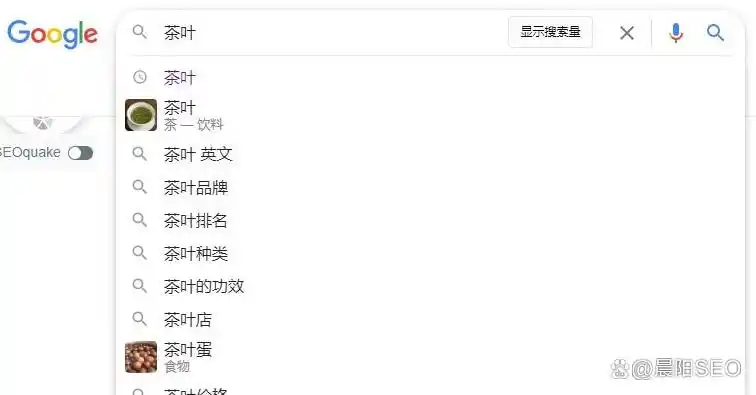
Keywords from google search bar
And you can expand more tea-related words by combining keywords with different words. For example, tea production, the efficacy of tea. In addition to the search bar, you can also find a keyword tip at the bottom of the google result page. All of the recommendations here are based on the selection results of genuine searches by people around the world。
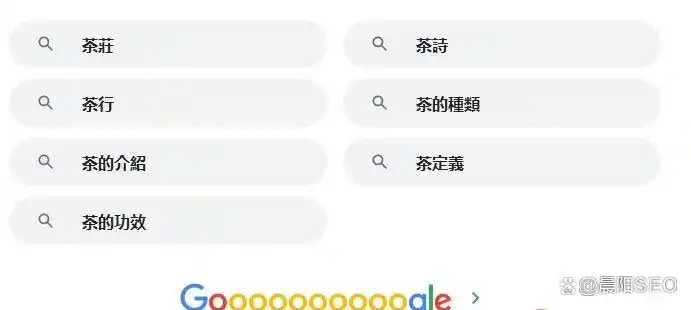
How does google seo find effective high-flow keywords
In addition to google, several good keyword outreach tools are available: ahrefs, semrush, answer thepublic, kwfinder, ubersuggest, keyword keg, etc. Information can also be found through large platforms such as youtube, wiki and quora, to see what kind of key words we all enter。
Finding effective keywords
The search for ideal keywords usually requires three elements:
1. Search for popular keywords (popuplar): keywords have a high search volume, indicating that this keyword is searched by many people。
Search for a ranking key (rankable): the difficulty of ranking a keyword means that there are not too many competitors to lay the word。
3. Searching for relevant keywords (relevant): when key words are highly relevant to the subject of the content of the website, highly compatible web content attracts google to your first page。
These three elements are referred to as the “trisket model”, and if two of them are caught, the whole set of tripods will be collected, that is, if the keyword matches one of them, it will be easy to achieve the seo ranking. In practice, however, such keywords are often relatively competitive, resulting in a less significant initial seo effect. The following are some of the easier ways in which we can study the key words:
1. Selection of long end words
If you want to get ahead of the seo, the key words are usually hot and not very good, then you can measure the base strength of the website and attract some traffic. The long end keyword does not refer to the category or state of a keyword, but rather to a “key group”, which usually consists of more multi-word groups. Examples are as follows:
Target keyword (usually popular): "tea class"
Long end key (usually cold): “an introduction to the tea type”, “six categories”, “what are the tea types”
While the search volume of long-end keywords is low, the narrative of long-tailed keywords is quite specific, and searching your visitors through long-tailed keywords will have a greater willingness to interact and a higher rate of conversion, as answers to keywords are available on your website. It would be easier for the site to gain some flow of long-tailed keywords before getting a hot-key ranking。
2. Difficulties in understanding the keyword seo
Once a set of keywords is put together, the difficulty of the seo competition also needs to be assessed. The tools on the market usually express keyword difficulties in numerical terms, ranging from 0 to 100. The higher the score, the harder the key word seo is on the first page. Based on the differences between indicators and algorithms, the value derived from a fully compatible key word may vary, showing 50 points in tool a and 30 points in tool b. A variety of keyword research tools are therefore needed to assist in calculating the difficulty of a key word comparison. For example: moz keywords, google keyword planning tool, google trend, kwfinder, semrush, ahrefs keyword resource management tool, etc., more than a few tools were compared and averaged。
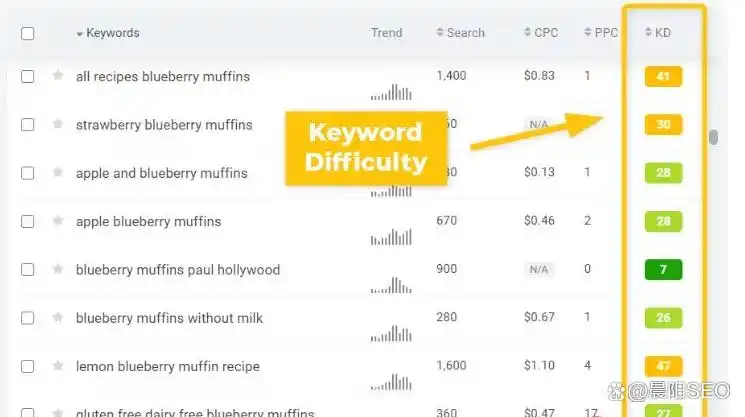
Example of difficulty of a keyword seo
3. Understanding searchers ' intentions
It is not possible to fill the web with hot words or low-competitive keywords, but it is necessary to determine the purpose of the search by the users, and what answers do these people want? For example, when you search for tea, buying tea may not be your main purpose, and you want to know how to make tea。
The search intent can be easily divided into four categories:
Navigation - search specific websites/brands (e. G. Tea and soup fairs)
Information - search for conventional knowledge (how to make tea)
3 trading - users want to buy goods online
4 commercial - user research before purchase (evaluation of a branded tea)
If you're running a website on the pizza recipe, you don't need to rank “pizza” first (a search may amount to millions per month), unless you want to compete with the winner, using pizza as a key word is meaningless. At first glance, these keywords may be very attractive, but in most cases they are not relevant to your focused market, but rather “pizza noodle”, “pizza raw materials” and so on。
Iii. Common errors in google keywords
Many new seo and content writers usually find high-flow keywords in google keyword planning or other keyword research tools, while ignoring other indicators. As noted above, finding an effective keyword range is not only about search volumes but also about the difficulty of the keyword。
Another error is the misunderstanding of the keyword. Commonly, competition scores in google ad keyword planning tools refer not to keyword difficulty but to indicators of competition. This indicator estimates the competition of ppc activities for payment keywords, not related to nature search results and seo。
And what you should avoid the most is keyword filling, and the keyword study is not about finding words and starting to find ways to fill articles and use them more widely. What you have to do is select a focus keyword from it and use it in:
1 title of article
2. Website title and mEa content
3 first paragraph of the article
4. Multiple appearances in articles
The search for lsi (potential semantic index) keywords, which are semantically linked to the main keywords, is different from the use of the same keywords at one time or another. They are important additions to keyword research, such as “page design” and “web design” are synonyms of the relevant semantics, which can be appropriately distributed in the articles. Related tools: lsigraph。

Lsigram tool analysis keywords
Lsi keywords are constantly changing according to current trends, and adding the same semantic keyword to the content is definitely a good way of improving the quality of the content。
Googleseo