As soon as the wind blows, commuting on electric vehicles during winter becomes a “pill-over”: low temperatures allow batteries to continue to operate with a direct “backside cut” and the brakes become slow and the parts age faster, and many people face the embarrassment of “out-of-the-box electricity, half-way nesting”, calling “it's too hard to ride electric vehicles in winter”。
As of 1 december this year, the revised mandatory national standard, the technical instructions for the safety of electric cycling (gb 17761-2024) (known as the “new state marker”), has been officially implemented at the sales chain. When the new national markers are fully landed, “security” and “compliance” become the core bottom line for the movement of electric vehicles during the winter。
For users who rely on electric vehicles to travel, this winter requires both professional maintenance skills and the selection of high-quality electric vehicles that meet the new national standards to make winter trips warmer, safer and safer。
It's safe to survive the winter with conservation in place
The “deactivation” of batteries in low-temperature environments on electric bicycles during winter is a common industry problem. However, with the right approach, the awkward scenario of “electricity cut in the first winter” can also be avoided, leaving the ship running down less harshly。
Electric bicycles require “heating”. If placed in low-temperature open spaces for long periods of time, batteries are like being in an “icing cellar”, causing a loss of electricity on the one hand and making it difficult to start the next day. Therefore, when parking, every effort is made to avoid the wind and cool areas and to cover them with a water shield to avoid direct exposure to the cold. The battery can also be fitted with a compliance heating kit that keeps the temperature above 10°c at charge time and runs 15 km more directly。
How to charge electric bicycles correctly in winter is also the key to the “life-saving” of batteries. First, no direct charge in low-temperature environments, with the option of charging at the highest noon temperature. Low-temperature chargers can cause the electrolytic fluid to become sticky, the movement of lithium ions to slow, rapid intra-cell resistance, a significant decrease in charge efficiency and even damage to the battery core. Second, if charged only at low-temperature night, an additional half-hour can be recharged with “fault” but be careful not to overfill. In addition, not to wait entirely for the run-off recharge, with 20-30 per cent remaining to charge in a timely manner。
Moreover, electric bicycles are used in a way that avoids “violent discharge”, which doubles energy consumption and reduces the burden on batteries. For example, starting with a slow twist, do not accelerate. Because of low-temperature battery discharge capacity, rapid acceleration increases the battery loads and increases the re-scaling of water. Besides, you have to slow down ahead of time when you climb the slope to avoid a long period of high power output
In addition, the tire pressure of electric bicycles should be sufficient in the winter, with low temperatures causing tire pressure to fall, which could lead to increased cycling resistance and continued water loss, and lower pressure on tyres。
Apart from scientific conservation, electric bicycles themselves are fundamental to safe travel. Issues such as the previously partially non-compliant electric vehicles are too fast, have poor brake performance and structural instability, which can be further amplified in winter temperatures, seriously threatening the safety of riding。
Thus, in the first winter after the official landing of the new national sign, the selection of an electric bicycle that meets the new national sign is the central prerequisite for safe travel during the winter。
Security upgrade is mandatory
If winter conservation is a “active safety and security” at the user level, then the full implementation of the new national marker is a mandatory security upgrade at the industry level。
On 1 december, the new national sign for electric bicycles was fully implemented, with no more mandatory foottamps, increasing the overall weight of the vehicle and the ability to continue, and facilitating daily travel by consumers. At the same time, systematic upgrades are being made to the security threshold in terms of security performance, anti-false design and fire requirements。
In industry, the new national sign is intended to address the long-standing safety risks of electric bicycles. The officials responsible for the electric power of the calf said that the new national sign raised the requirements for the intelligent and safeness of electric bicycles, and that the company would continue to promote the technological innovation of smart riding, introduce more innovative use of the scenes and functional features of smart cars, provide users with a more secure and reliable product experience, and maintain the standard of leading high-end electric car technology in the light of changes in the new national label。
The new national marker has significantly improved fire protection performance by requiring different categories of material, such as soft mats and leather, to meet respective fire-retarding standards, which is also a key security risk for winter rides。
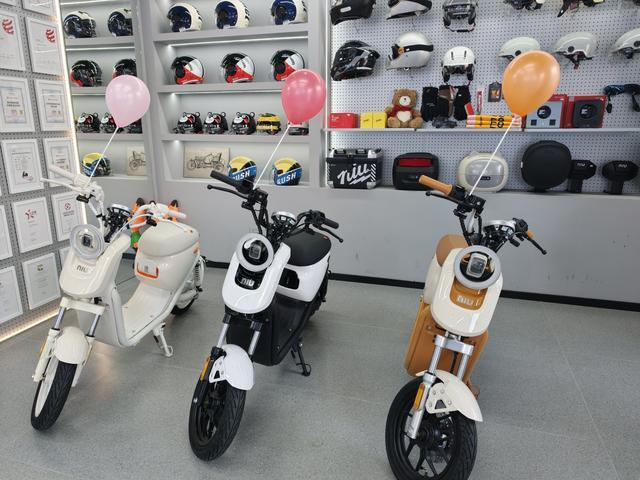
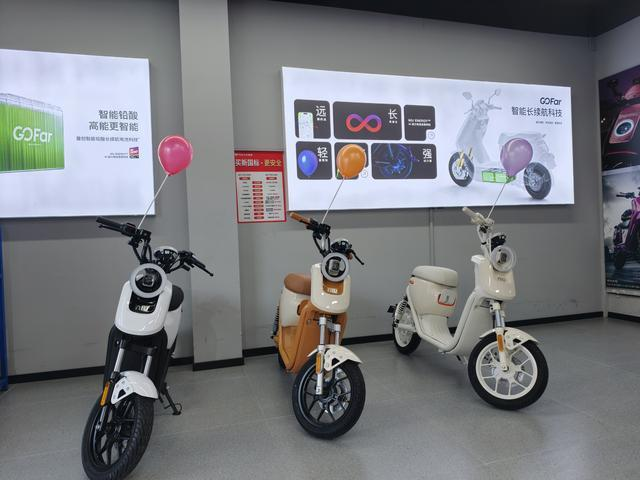
In fact, the electric bike business has already been set up. In the case of calves, for example, the efficient integration of lithium electro-pack technology, the beehive structure design, keeps a safe distance between each core. The use of heat-retardant materials ensures that batteries remain stable under harsh conditions。
Moreover, calves have been specifically upgraded for winter riding. For example, self-study of smart bms cloud housekeeper systems, dynamic monitoring of battery state, ai-based self-learning algorithms, dynamic adjustment of charge-taking strategies based on ambient temperature and battery health, and avoidance of excessive discharge or recharge damage at low temperatures。
Meeting future challenges with compliance
The implementation of the new national flag is not a compromise on the user experience, but an optimization of the experience based on security. There are challenges and opportunities for enterprises。
In the view of the relevant officials, the industry faces a three-fold challenge and opportunity to respond to the new national label: first, the cycle and capacity of product technical compliance adaptation; secondly, the adjustment pressure of the supply chain system to meet the new requirements; and thirdly, the core of competition to shift from a previously bitter price battle to a product value battle supported by technology, safety and intelligence。
In the face of the new national logo and in order to seize market opportunities, calves are accelerating their product layout。
At present, u1 one, which meets the new national standard, is on the market, while three new national models, k, mt2026 and u3, will be produced in january 2026. At the same time, a clear and complete product road map has been planned for the mini-cows, with five major series and nearly 20 new nationally marked bicycle products to be launched in the future。
According to the information received, the newly listed new national electric bike u1 one of the calves has a 90-km super-long voyage, along with nfc unlocking and mobile phone control. In terms of security configuration, vehicles support tcs side-sliding, steep slopes, front-disk brakes + kinetic energy recovery, both secure and power-efficient. At the same time, the quality of the whole vehicle plastics is strictly controlled at less than 5. 5 per cent, and fire resistance is fully met。
The new national marker is not the industry's “tight spell”, but the “catalyst” that drives high-quality industry development. In the view of those responsible for the power of the calf, the new national logo will drive the industry in a safer, more regulated and more intelligent direction and accelerate the integration of the industry. The core competitive point for companies in the future will continue to be "smart technology + safe design + user experience"。