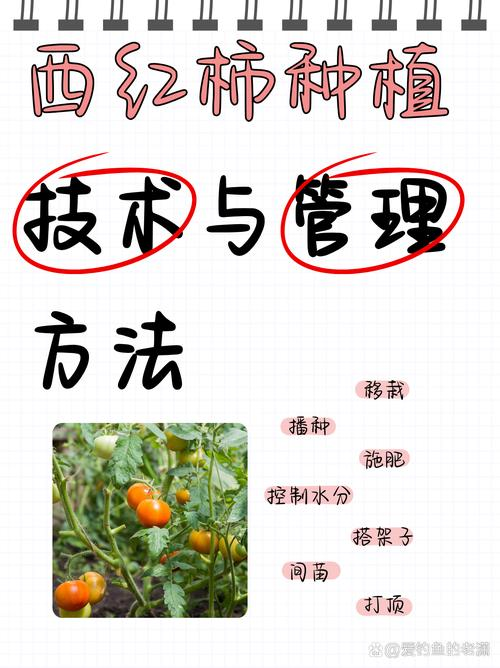
The field tomato cultivation technique, known as sour nuts and tomatoes, originated in south america and is suitable for planting in most parts of our region. Tomatoes are temperamental, frost-free, light-free, heat-averse, growable at 20-25c, below 15c, slow growth, infertile, stunted development, stop growing at below 10c, die at below 1-2c, significantly reduce time co-operation at high temperatures of 30c, stop growing at above 35c, appropriate soil alkalinity ph at 5. 5-7. 1. Selection of healthy, disease-resistant species. In the early springs, the choice was made for a variety of species and for a good breed against disease. In the early spring, a variety of species, including 16, rubies and autumns, rubies ii, kimyang, plateau and diamond ii, are selected. 2. Cultivating seedlings. (1) pre-selection as an unplanted eggplant crop, with a backwind to the sun, high soil fertility and plots adjacent to the field as seedbeds. It is also fine-tuned and fine-tuned, 1m wide, 0. 4m wide, 10-20 grams per acre field and 15-20 square metres of m. 4 kg + phosphorus + 0. 2 kg + 25% methadone 6 g + fine earth 6 kg mixed, two-thirds the soil is soaked with water, then it is sowed with disinfection seeds, a third of the medicine is planted on the seeds, a layer of cover, such as pine hair, and light water is wet, and in the early spring, the arch shed is used to seed. (2) sterilization of seeds: 30 minutes of permafrost with approximately 50c warm water, with continuous mixing to constant temperatures, and 6-8 hours of sowing; 5 minutes with 0. 2% methyl towing, after extraction, with water wash and then with a proper amount of grass ash. Seeding time: regular spring planting in january, 60 days; summer and autumn planting in april and june, 30 days. Slept bed management: seedlings come out and pick up their cover on a sunny day, and weeding and slendering are done at 2 x 2 inches in a timely manner, and on the same day the balconies are removed at noon with both sides of the balconies venting, wetting, cooling and, at the same time, heavy cover at the same time; fat water is applied to the optic seedlings, which are long, as appropriate, on the same day; and disease prevention, which is sprayed once every 1 0 to 1 5 days with an enzymes or anthrax. 3. Daejeon was planted. (1) landing, grounding, application of bottom fertilisation, tritium and ponding. The fields that were previously uncultivated were selected for deep tan, tan, tan, 2m open, 0. 4m wide in ditches, a pond at a distance of 40x40 m, and 2000-3000 units per acre. Acre farmers' fattening 1500-2000 kg of compound fatty 40 kg of bottom fat applied in ponds and covered with a small amount of soil, and then the membranes, when they are razed, covered and pressed. (2) seize the order and establish it in due course. On the next day, when rain or water is poured, six to seven real leaves are chosen, healthy and disease-free seedlings are planted, and the membranes are compacted with fine earth, so that the root water is filled in time. 4. Strengthening the management of chinese farming. (1) potassium is the first to be absorbed by tomatoes from the soil, followed by nitrogen, phosphorus, which is the least fertilized with organic and compound fertilizer, and 20 kg of complex fertilizers for approximately 20 days after the tomato has been planted, and 30 kg of complex fertilizers for the full development of the first ear, after which fertilization and water will be applied, as appropriate, depending on the size of the seed tree. (2) up the whole branch, with a fork on the top. • reduction of nutrient consumption and improvement of air and light conditions in a timely fashion, in order to produce flowers. It usually uses a double-bard whole branch, with the exception of the backbone, to keep the first one under the first bouquet, to form a double one, and the rest of the branch is removed. For infinity growing varieties, the head of the truncheon, and the side of the trough, when the lumber is ready, the heart is closed. Time to remove the old leaves and give them a good ventilation. (3) tomato disease prevention and treatment: 1 tomato night disease. In the case of fungi diseases, heavy rainfall years are an important cause of tomato scavenging and deodorant. Symptoms: mainly harmful leaves and fruit, generally predisposed to the lower and middle leaves, first at the tip of the leaf, dark green water stains on the edge of the leaf, then brown, in high-wet conditions, white molds, dry conditions, dryness. Most of the disease occurs in the chrysanthemum period, and the surface begins to be grey green oiled hard spots, gradually turning to dark brown, and the fruit is usually soft at the beginning, and when it is wet, the disease is coarse and rapidly decaying. Prevention and treatment: a selection of resistant varieties. B. A three-year rotation with non-cheese vegetables. C. Tomatoes must be mounted early, full-cut and removed from the lower leaves to improve ventilation